Make it stand out
Days of Significance.
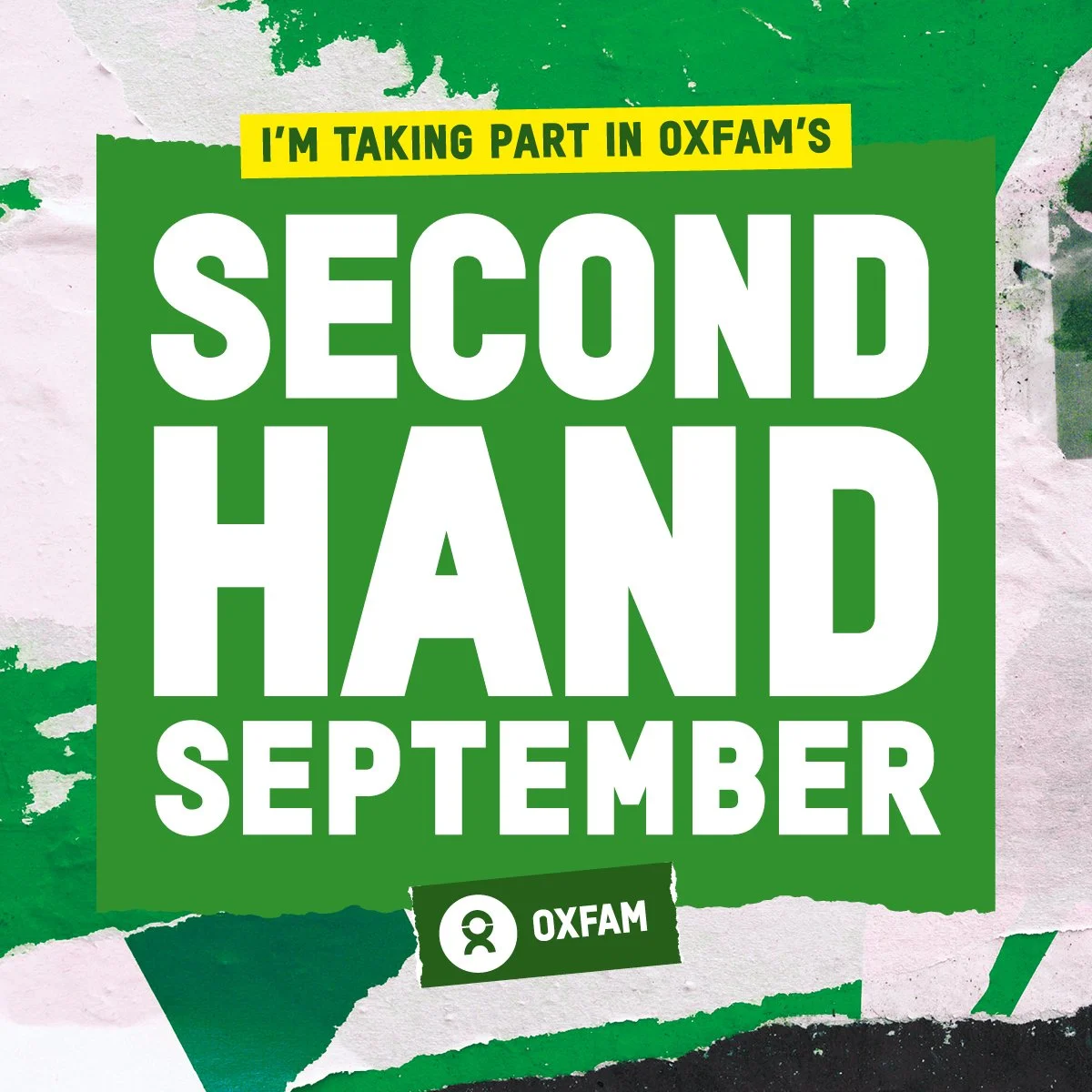
Second Hand September
Led by Oxfam, Second Hand September encourages people to avoid buying new clothes for a month and instead embrace second-hand fashion.
What young people, schools & community centres can do
Clothing swap events
Charity fashion shows or styling competitions
Upcycling workshops (redesign old clothes)
“No new clothes” challenges for students and staff
Education on fast fashion impacts
Upcycle some old clothes using buttons, felt, fabric markers
Fashion footprint quiz – create a quiz about clothing production, waste, recycling and sustainability
Before-and-after upcycling challenge – photograph an old item before and after it has been transformed.
Sock puppet activity – use old or odd socks to create characters and put on a short puppet show.
Design your own charity shop – teams create a shop name, logo, branding, window display, pricing system and sustainable message.
Best charity-shop find competition – challenge participants to find or bring in the most unusual, useful or interesting second-hand item.
Repair café – Teach basic sewing, patching and repairing skills.
Fast fashion debate – “Is buying new always better?”
Fashion footprint quiz – Explore where clothes come from and what happens when we throw them away.
Whole-school / organisational approaches
Uniform reuse and donation systems
Policy encouraging sustainable dress-up days
Link textiles education to sustainability curriculum
Partner with local charity shops
Promote ethical purchasing policies for uniforms/events
Social media ideas
Thrift haul videos
“Outfit reworn 3 ways” challenges
Before/after upcycling transformations
Hashtags:
#SecondHandSeptember #SustainableFashion #WearItAgain #ThriftCulture #BeyondAllyship
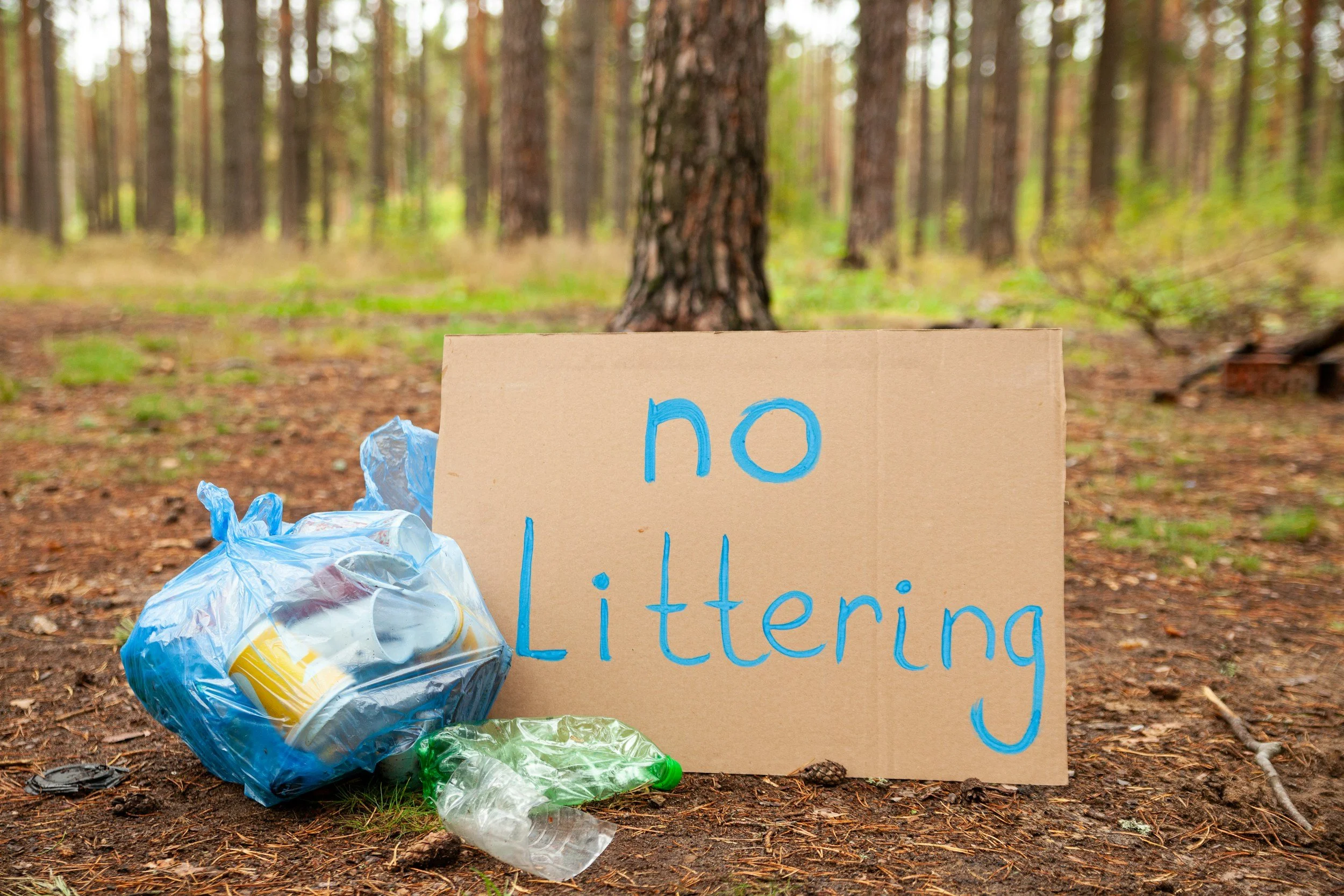
World Cleanup Day
World Cleanup Day is a global day of action where millions of people come together to remove litter and waste from streets, parks, and natural spaces.
What young people, schools & community centres can do
Organise local litter-picking walks
“Adopt a street” or park clean-up projects
Waste audits around school grounds
Create posters on litter prevention
Community clean-up competitions between year groups
Whole-school / organisational approaches
Formal partnership with local council waste teams
Risk-assessed ongoing litter-picking programme
Install more visible recycling stations
Introduce “no single-use litter” policies for events
Embed citizenship/environment in curriculum planning
Social media ideas
Group photos from clean-up events
“Before and after” transformation shots
Timelapse videos of community clean-ups
Hashtags:
#WorldCleanupDay #LitterHeroes #CleanCommunities #PlasticFreeSpaces #BeyondAllyship

Bi-Visibility Day 2026
Bi-Visibility Day
Celebrates bisexual individuals and raises awareness about bi-erasure.
Activities:
Panel discussions: Invite bisexual speakers to share experiences.
Educational quizzes: Test knowledge on bisexuality myths and facts.
Art installations: Create displays celebrating bisexual culture.
Discussion: “What misconceptions have you experienced or heard of?”
Social Media: Students could share reviews of their favourite shows, films, books or celebrities that showcase bisexual representation.
School-wide Awareness:
Decorate spaces with bi-pride colours.
Share stories and achievements of bisexual individuals.
Use social media to share stories, reduce stigma and educate around misconceptions of bisexuality.

Macmillan Coffee Morning 2026
Macmillan Coffee Morning
Macmillan Coffee Morning is a nationwide fundraising event in the UK to support Macmillan Cancer Support, which provides care and services for people affected by cancer.
Fun Activities:
Bake Sale or Bake-Off: Students bake (or decorate) cakes and treats to sell or judge.
Cake Decorating Station: Let students decorate cupcakes with icing and sprinkles.
Coffee Cup Art Challenge: Design creative coffee cup sleeves with uplifting messages.
Kindness Token Jar: Write encouraging notes or wishes for those affected by cancer.
Guess the Cake Game: A fun quiz or challenge where students guess cake flavours or weights.
Whole-School Awareness Ideas:
Host a School-Wide Coffee Morning: Invite staff, parents, and students to attend and donate.
Macmillan Green Day: Students wear green to raise awareness, with optional donation.
Assembly or Video Presentation: Share stories about Macmillan’s work and how donations help.
Decorate the Hall or Classroom: Use Macmillan’s colours (green, white, purple) with posters and bunting.
Form Time Focus: Use time for discussion around cancer support, empathy, and community action.
Create a ‘Wall of Support’: Students can write supportive messages on a display board.

Black History Month 2026
Black History Month
A month to celebrate the achievements, contributions, and history of Black individuals and communities, while also raising awareness of ongoing struggles against racism and inequality.
Fun Activities:
Create “Hall of Fame” posters of inspiring Black figures.
Host spoken word or poetry slams on themes of identity and resilience.
Design art or collage projects based on Black history or culture.
Watch age-appropriate films followed by group discussion.
Cook traditional dishes from African and Caribbean cuisines.
Whole-School Ideas:
Assembly on key figures in Black history.
Daily “Did You Know?” announcements about Black pioneers.
School-wide art display or timeline wall.
Book corner or library display featuring Black authors.
Invite local Black artists, authors, or speakers for workshops.
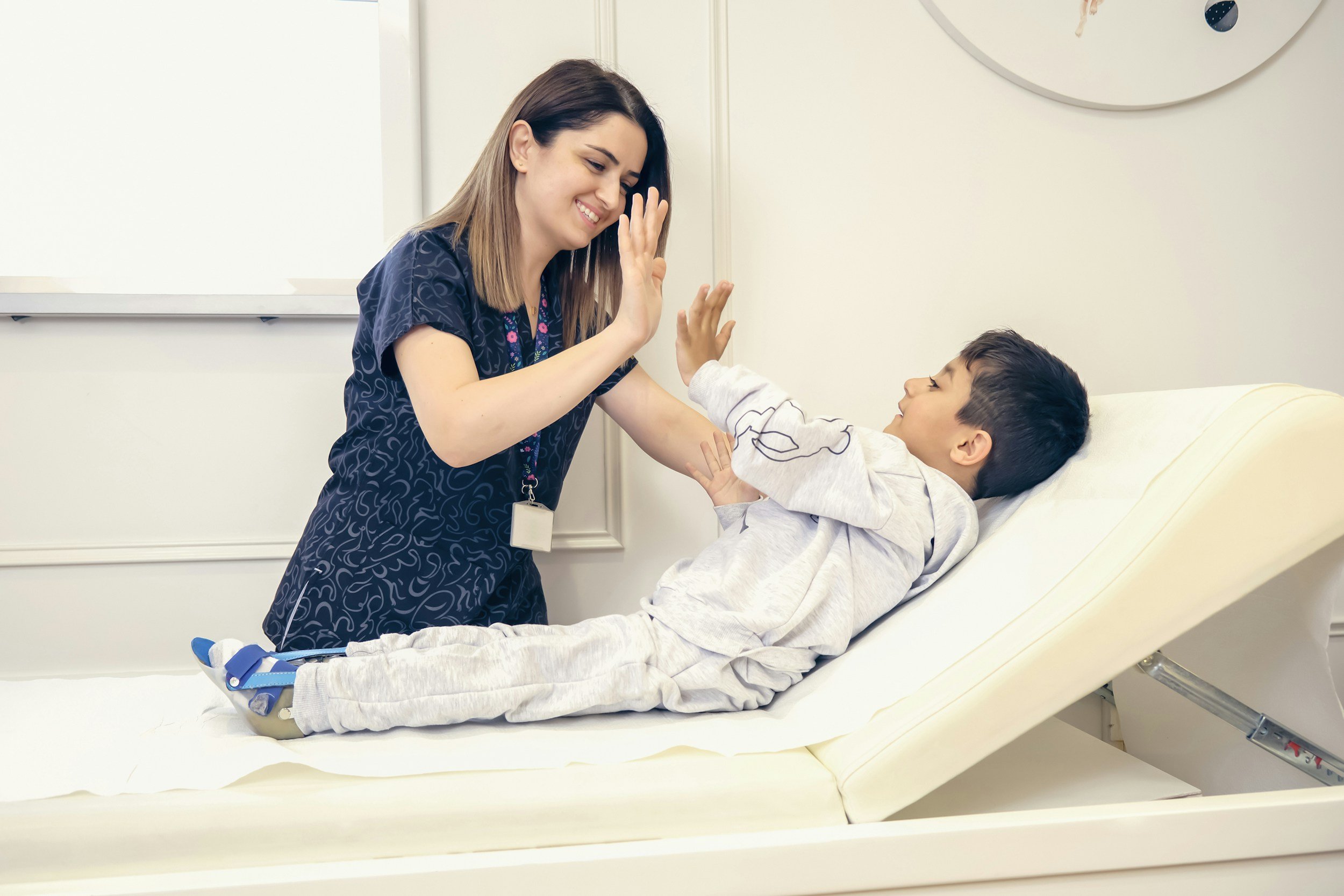
World Cerebral Palsy Day
Raises awareness and promotes inclusion of people with cerebral palsy.
Activities:
Accessibility design challenges: Students design inclusive spaces or tools for accessibility.
Guest speaker learning (if possible): Learn from lived experience perspectives.
Sports adaptation activities: Try adapted physical activities to explore inclusion in sport.
Awareness campaigns: Create posters/videos about accessibility and inclusion.
Whole school awareness ideas:
SEN inclusion focus
Accessibility audits
Inclusive PE curriculum
Social media ideas:
“Inclusion in action” posts
Student design projects
Awareness videos
Hashtags: #BeyondAllyship #CerebralPalsyDay #Inclusion #Accessibility
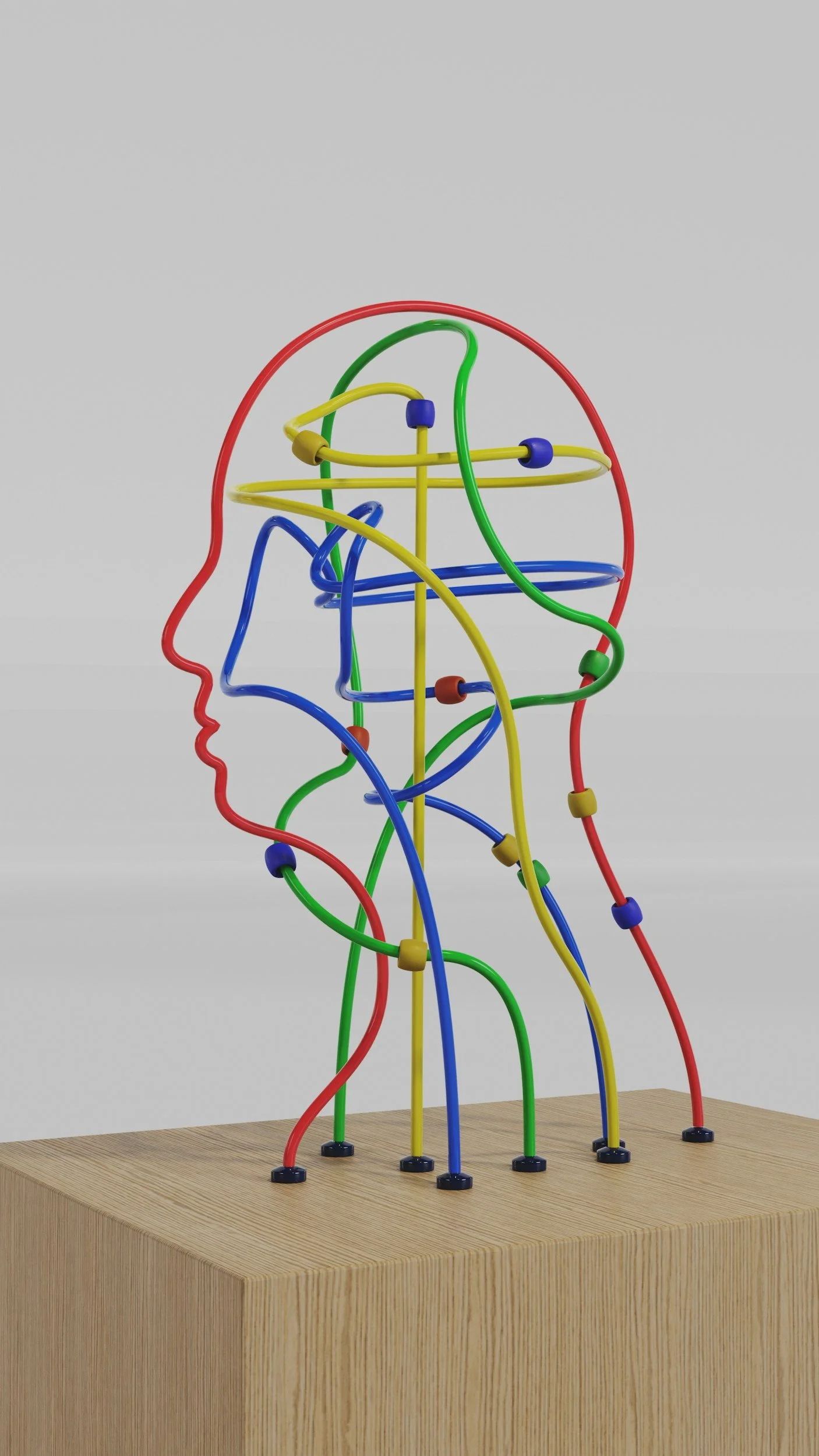
World Mental Health Day 2026
World Mental Health Day
World Mental Health Day – 10 October
World Mental Health Day is an internationally recognised day to raise awareness of mental health issues and promote wellbeing across all ages. It’s a chance to open up conversations about emotional health, challenge stigma, and learn how to support ourselves and others. The theme changes each year, but the goal is always the same: to make mental health a global priority for everyone.
Activities for Children and Teens:
“What Fills Your Cup?” Activity: Students draw or write what helps them feel calm, happy, and supported.
Mindful Colouring Station: Use mental health-themed colouring sheets during lunch or form time.
Gratitude Wall or Jar: Write down things you’re thankful for (big or small) and create a visual display.
Make a Mental Health Zine: Create mini booklets with affirmations, coping strategies, and positivity.
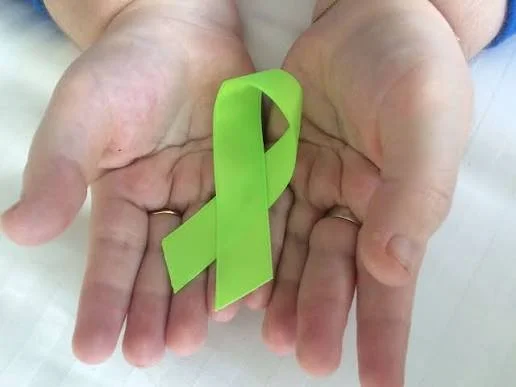
Green Ribbon Craft: Make and wear green ribbons (the symbol for mental health awareness).
Whole-School Awareness Ideas:
Wear Something Green Day: Invite students and staff to wear green to show support and spark conversation.
Wellbeing Assembly: Focus on understanding mental health, challenging stigma, and how to seek support.
Form Time Focus:
What is mental health?
How can we support friends?
What are healthy coping mechanisms?
Calm Corner: Create a quiet space with relaxing music, puzzles, and sensory activities.
Staff Wellbeing Board: Highlight mental health tips and self-care strategies for both staff and students.
Social Media Ideas:
Green Ribbon Profile Frames or Stickers: Share downloadable graphics or selfie filters for students and staff.
Mental Health Tips Carousel: Daily or weekly posts with tips for managing stress, anxiety, and low moods.
Affirmation Posts: Share student-written affirmations or positive messages (e.g., “It’s okay to ask for help”).
“You Are Not Alone” Graphics: Posts showing where students can get help inside and outside of school.
Staff/Student Voices: Share short quotes from the school community about what mental health means to them or their favourite way to unwind.
Hashtags to Use:
#WorldMentalHealthDay
#MentalHealthMatters
#BeKindToYourMind
#ItsOkayToNotBeOkay
#YoungMinds
#SupportEachOther

National Coming Out Day 2026
National Coming Out Day
A day to support individuals in the LGBTQ+ community in coming out and to promote a culture of openness and acceptance.
Activities:
Discussion Circles: Facilitate conversations about the importance of authenticity and support and discuss various orientations like bisexuality, pansexual etc.
Sharing Wall: Students can write supportive messages or coming out stories (anonymously or not) on a public display/social media.
“I’m an Ally because…” Poster Activity: Students and staff write why they’re allies on posters to be displayed publicly.
Library Stock: Create a book display in the library of LGBTQ+ books
Representation: Have students think about their favourite TV/Film coming out scenes and share them online
Power of a Parent: Make posters about how parents can have conversations or tips around students coming out.
School-Wide Awareness:
Bulletin Boards: Showcase stories and quotes about coming out experiences.
Morning Announcements: Share facts and messages of support.
Wear Rainbow Colours: Encourage students and staff to wear rainbow attire to show solidarity
Anonymous Q&A Box: Provide a safe space for students to anonymously ask questions about coming out, identity, or allyship. Answer them during form time or in assemblies.
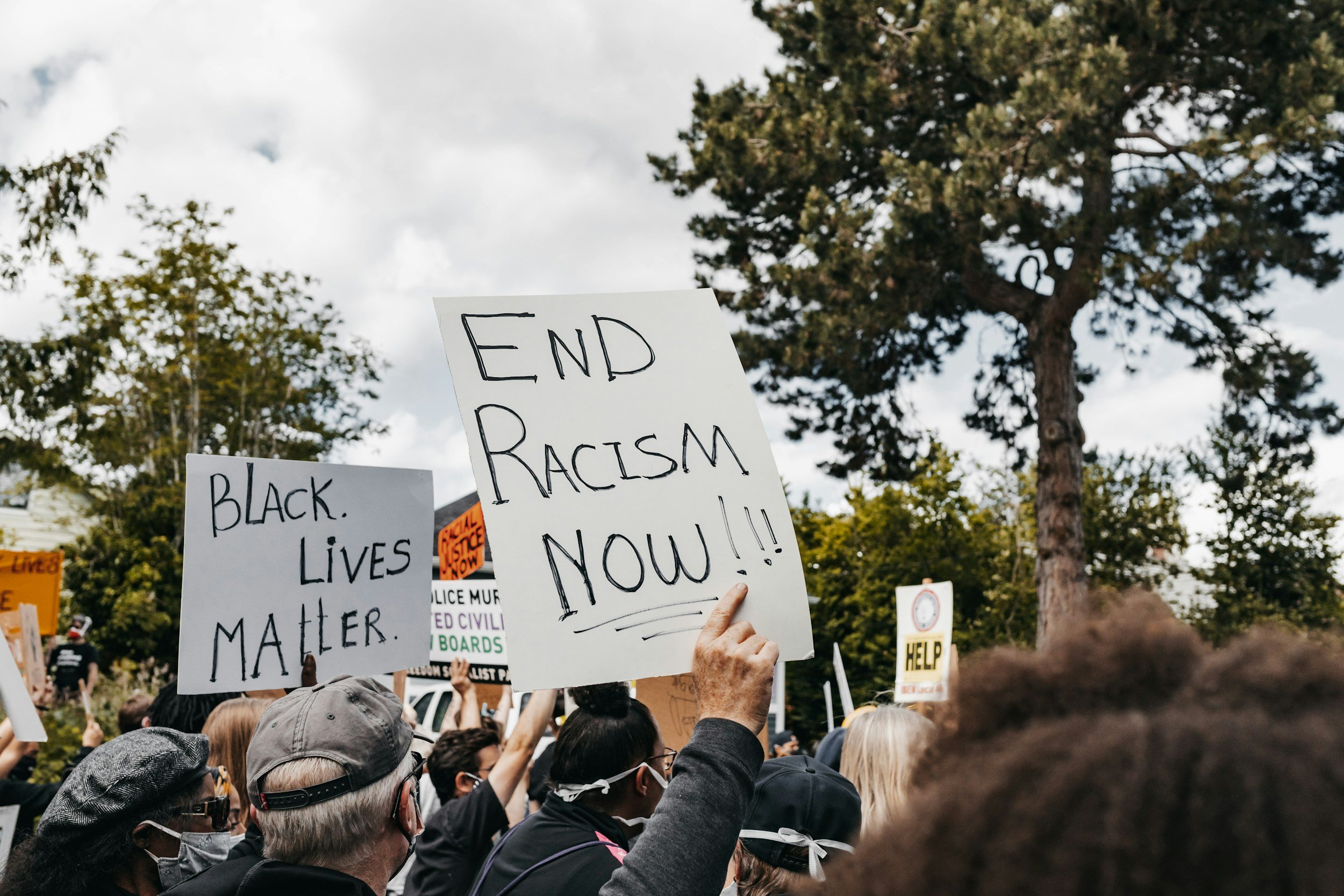
Show Racism the Red Card (Wear Red Day) 2026
Show Racism The Red Card - Wear Red Day
Wear Red Day - Show Racism the Red Card - Link
Show Racism the Red Card is the UK’s leading anti-racism education charity. Wear Red Day is their annual event encouraging everyone to wear red to visibly show support for anti-racism work. It's an opportunity to educate young people about racism, challenge stereotypes, and promote a more inclusive and equal society.
Activities:
Wear Red for a Reason: Invite everyone to wear red and write on a card or sticker: “I wear red because…” followed by a message of solidarity or equality.
Anti-Racism Poster Challenge: Design posters with slogans like “Different is Powerful” or “United Against Racism.”
Handprint Pledge Wall: Students write anti-racism pledges on red paper handprints to form a giant school-wide display.
Storytime or Book Corner: Read and discuss age-appropriate books on race, identity, and justice (e.g. “The Proudest Blue,” “Skin Again,” “This Book is Anti-Racist”).
Create a Poem or Spoken Word Piece: Invite students to express themselves through creative writing or performance around the theme of inclusion and respect.
School-wide Awareness:
School-Wide Assembly or Video: Focus on the importance of challenging racism, the work of Show Racism The Red Card and the power of speaking up.
Classroom Discussions:
What is racism?
How can we stand up to racism in school, online, or in the community?
Why is allyship important?
Display Board: Feature red-themed art, pledges, facts about racism, and quotes from anti-racist activists.
Anti-Racism Charter: Work with students to co-create a set of inclusive values for your school, signed by each form or class.
Form Time Challenges:
Research famous anti-racism activists (e.g. Marcus Rashford, Rosa Parks, Malala Yousafzai).
Share anonymous student experiences of discrimination (with consent) to spark empathy and discussion.
Fund Raising:
Sell student made items like red crocheted hearts or a red themed bake sale and use the money to donate to the cause or have ‘Show Racism the Red Card’ come out for student workshops.
social Media:
#WearRedDay Photo Collage: Share photos of students and staff wearing red, with captions explaining why they support anti-racism.
Student Quotes Graphics: "I wear red because..." – post student messages with illustrations or flag icons.
Short Video or Reel: Create a 30-60 second video featuring students holding signs with anti-racism messages or reading a collective poem.
Myth-Busting Carousel: Educate your followers with a slide set busting common myths about racism and bias.
Call to Action Post: Encourage the wider community to join in by wearing red and donating to Show Racism the Red Card.
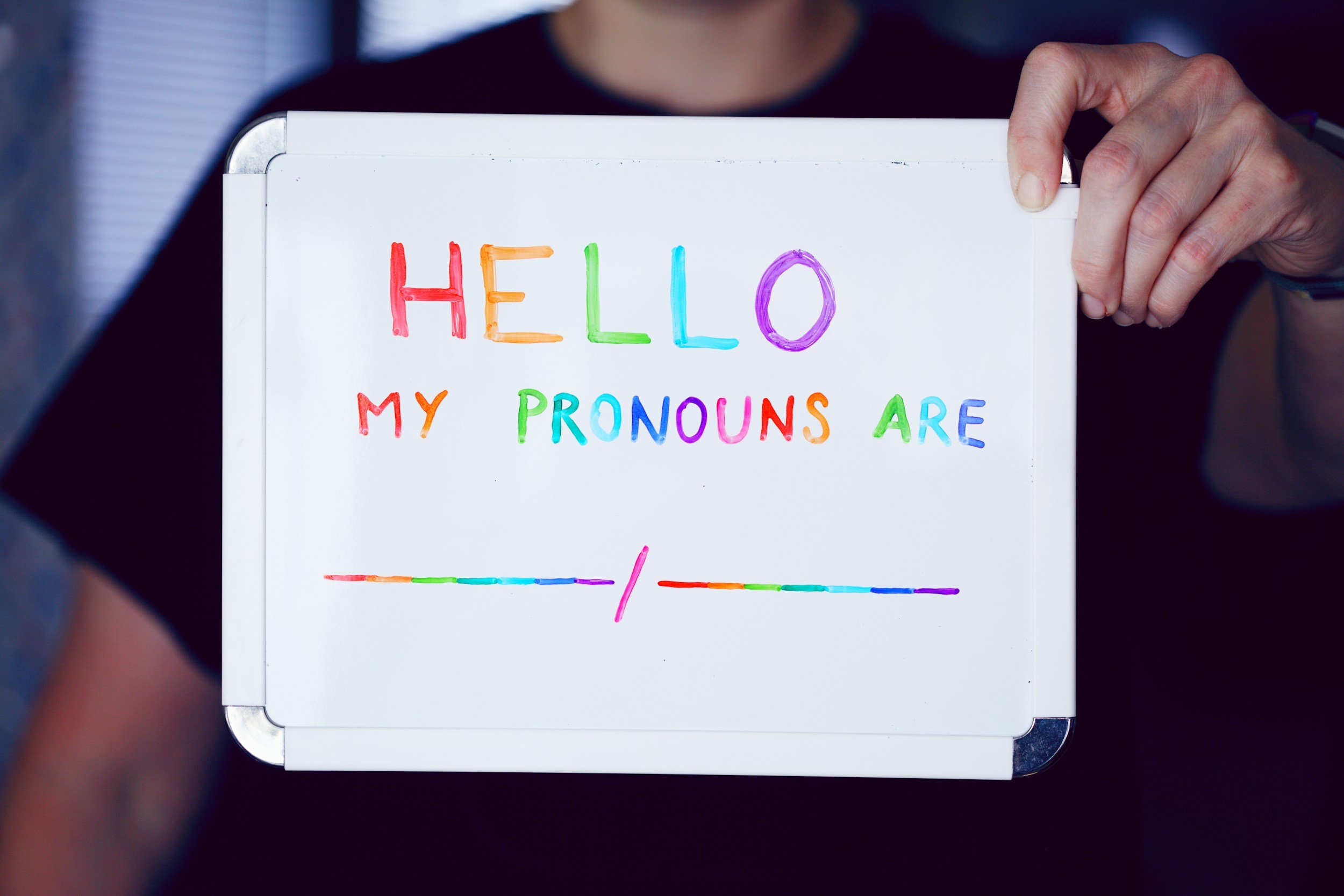
International Pronoun Day 2026
International Pronoun Day
Encourages respect for individuals' chosen pronouns.
Activities:
Pronoun workshops: Educate on the importance of correct pronoun usage.
Badge-making: Create pronoun badges or stickers for students and staff. Have a table in the canteen during lunch taking request for custom made ones.
Role-playing: Practice introducing oneself with pronouns.
Comic Books: Have students make their own comic books with diverse stories.
Poster/Display Making: Create posters or displays about the importance of pronouns and respecting other people.
Discussions: “How would it feel if people got your name or pronouns wrong regularly?”
School-wide Awareness:
Include pronouns in email signatures and name tags.
Display posters explaining various pronouns.
Offer pronoun badges for all students and staff.
Dwarfism Awareness Day
Promotes understanding, inclusion, and respect for people with dwarfism.
Activities:
Myth-busting workshops: Address stereotypes and promote respectful language.
Accessibility design tasks: Explore inclusive design in buildings and environments.
Representation in media analysis: Study how diversity is represented and discuss impact.
Empathy-based discussions: Focus on inclusion, respect, and everyday experiences.
Whole school awareness ideas:
Anti-bullying and respect campaigns
Inclusive curriculum review
Disability awareness education
Social media ideas:
“Respect every body” campaign
Educational infographic series
Student inclusion messages
Hashtags: #BeyondAllyship #DwarfismAwareness #Inclusion #Respect
Asexual Awareness Week 2026
Asexual Awareness Week
Asexual Awareness Week (Ace Week) is dedicated to increasing visibility, understanding, and acceptance of asexual people and identities. Asexuality (or “ace”) is a sexual orientation where a person experiences little or no sexual attraction to others. The week highlights the diversity within the asexual spectrum and promotes inclusivity, education, and allyship.
Activities:
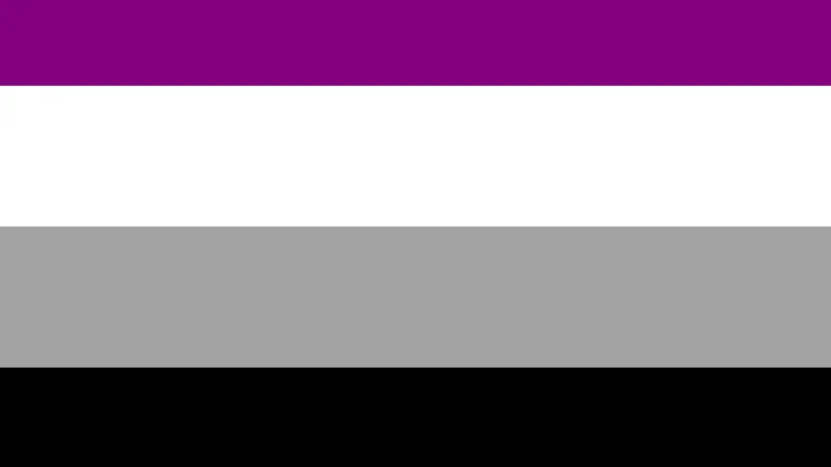
• Ace Flag Art Challenge: Create posters, stickers, or bookmarks using the asexual pride flag colours — 🖤 black, 🤍 white, 💜 purple, and 🩶 grey.
• “What Makes Me Me?” Identity Sheets: Students reflect on their identity beyond labels — strengths, values, interests, and how they express themselves.
• Design Your Own Pride Flag: Learn about different pride flags and then invite students to create their own that represents something unique about themselves.
• Ace Spectrum Scavenger Hunt: Set up an informational trail with facts about asexuality and related terms (e.g., aromantic, demisexual).
Whole-School Awareness Ideas:
• Assembly or Video Presentation:
Introduce asexuality in a simple, age-appropriate way, and explain how being an ally helps make school a safe space for all identities.
• Form Time Resources:
• Myth-busting: “Not broken, just ace!”
• Exploring the asexual spectrum
• How to be a respectful and inclusive friend/classmate
• Display Board: Include the asexual flag, student artwork, facts, and famous asexual or ace-spectrum individuals.
• Wear Purple Day: Encourage students and staff to wear purple (or black/white/grey) to show support for Ace Week.
• Inclusive Language Campaign: Post reminders and visuals that promote using respectful language for all sexualities and identities.
Social Media Ideas:
• Flag Feature Post: Explain the colours and meaning of the asexual pride flag.
• “Did You Know?” Slides: Share facts about the asexual spectrum to promote understanding and challenge common myths.
• Student Voice Graphics: Anonymous student quotes or messages of support around identity and self-acceptance.
• Allyship Infographic: Share tips on how to be an ally to asexual and aromantic people.
• Pride Week Highlights Reel: Show off student artwork, form time discussions, and school displays.
• Hashtags to Use:
• #AceWeek
• #AsexualAwarenessWeek
• #AsexualVisibility
• #AceAndProud
• #PrideEveryDay
• #InclusionInSchools
Intersex Awareness Day 2026
Intersex Awareness Day
Intersex Awareness Day – 26 October
Intersex Awareness Day aims to raise visibility and understanding of intersex people—those born with physical sex characteristics (like chromosomes, hormones, or anatomy) that don’t fit typical definitions of male or female. The day promotes education, respect, and inclusion, and highlights the importance of bodily autonomy and the right to self-identify.
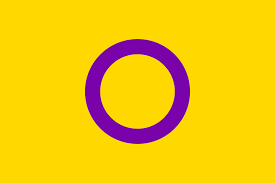
The intersex pride flag uses 💛 yellow and 💜 purple colours not associated with traditional gender norms.
Activities:
Intersex Flag Art or Badge Making: Create posters, badges, or pins featuring the intersex flag and inclusive messages like “Every Body Is Different” or “Be Proud of Who You Are.”
“What Makes Me Unique?” Activity: Celebrate everyone’s individuality—students list things that make them different and special, from talents to traits.
Fact or Myth Game: Share common misconceptions about intersex people and let students guess whether they are true or false.
Design a Poster for Inclusion: Focus on gender diversity, acceptance, and respecting people’s identities.
Create a Compliment Circle: Encourage kindness and body positivity by having students write anonymous compliments or affirmations for their classmates.
Whole-School Awareness Ideas:
Assembly or Video Presentation: Introduce intersex identity in an age-appropriate and respectful way. Emphasise that differences in bodies are natural and that everyone deserves respect and autonomy.
Form Time Resources:
Key terms (sex vs gender, intersex, non-binary, etc.)
The importance of not making assumptions
How to use respectful, inclusive language
Inclusive Language Posters: Display reminders around school that respect identity and challenge stereotypes.
“Wear Yellow & Purple” Day: Students and staff wear intersex flag colours to show support.
Display Board: Include information about intersex history, visibility, key figures (like intersex activist Pidgeon Pagonis), and student artwork or messages.
Social Media Ideas:
Intersex Flag Spotlight: Explain the flag’s meaning (yellow = non-binary, purple = mix of male and female or neither, circle = wholeness and autonomy).
“Did You Know?” Carousel Post: Share facts about intersex identity and promote acceptance.
Visibility Quote Post: Highlight quotes from intersex activists or allies.
Affirmation Graphics: “All bodies are valid,” “Intersex rights are human rights,” or “We see and support intersex people.”
Awareness Video or Reel: Show highlights of in-school activities or display boards with messages of inclusion.
Hashtags to Use:
#IntersexAwarenessDay
#IntersexVisibility
#IntersexRights
#YellowAndPurple
#InclusionMatters
#PrideEveryDay
Transgender Awareness Month 2026
Transgender Awareness Month
Highlights the experiences and challenges of transgender individuals.
Activities:
Film screenings: Show documentaries about transgender lives.
Discussions: Facilitate conversations on gender identity. Look at keywords/phrases like 'cis’, ‘trans’, the difference between ‘sex’ and ‘gender’, ‘non-binary’.
Art projects: Create inclusive artwork.
Social Media: Share student artwork, posters, favourite books, TV shows, films and celebrities.
Dear Future Me: Students write a letter to their future selves reflecting on who they are and what kind of world they hope to live in.
School-wide Awareness:
Host assemblies focusing on transgender history and rights.
Provide resources for transgender students.
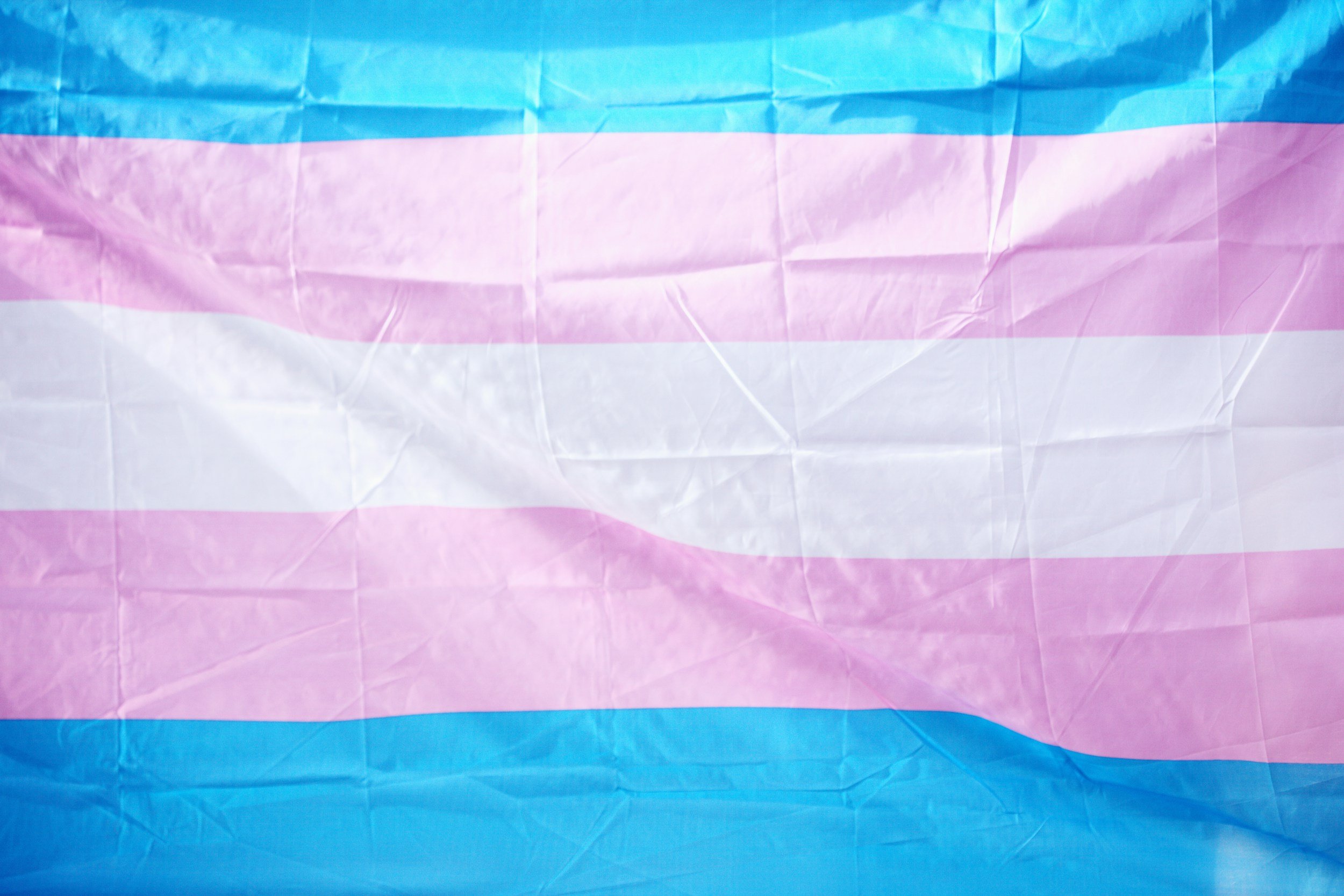
Students and staff to wear blue, pink and white.

Diwali: Dhanteras 2026
Day 1: Dhanteras
Dhanteras marks the beginning of Diwali and is associated with wealth, prosperity, and good health. People clean their homes and purchase new items, especially metal (like kitchenware or jewellery), as it’s believed to bring good luck.
Fun Activities:
Make mini paper diyas or make and decorate tealight holders with air dry clay.
Craft your own “good luck coins” with foil or gold card.
Design and decorate paper shopping bags to symbolise new purchases.
Create social media posts educating people on Dhanteras
Whole-School Ideas:
Run a “Clean and Green” classroom challenge to tidy and refresh learning spaces.
Share facts about Dhanteras in form time.
Display board on symbols of wealth and health in different cultures.
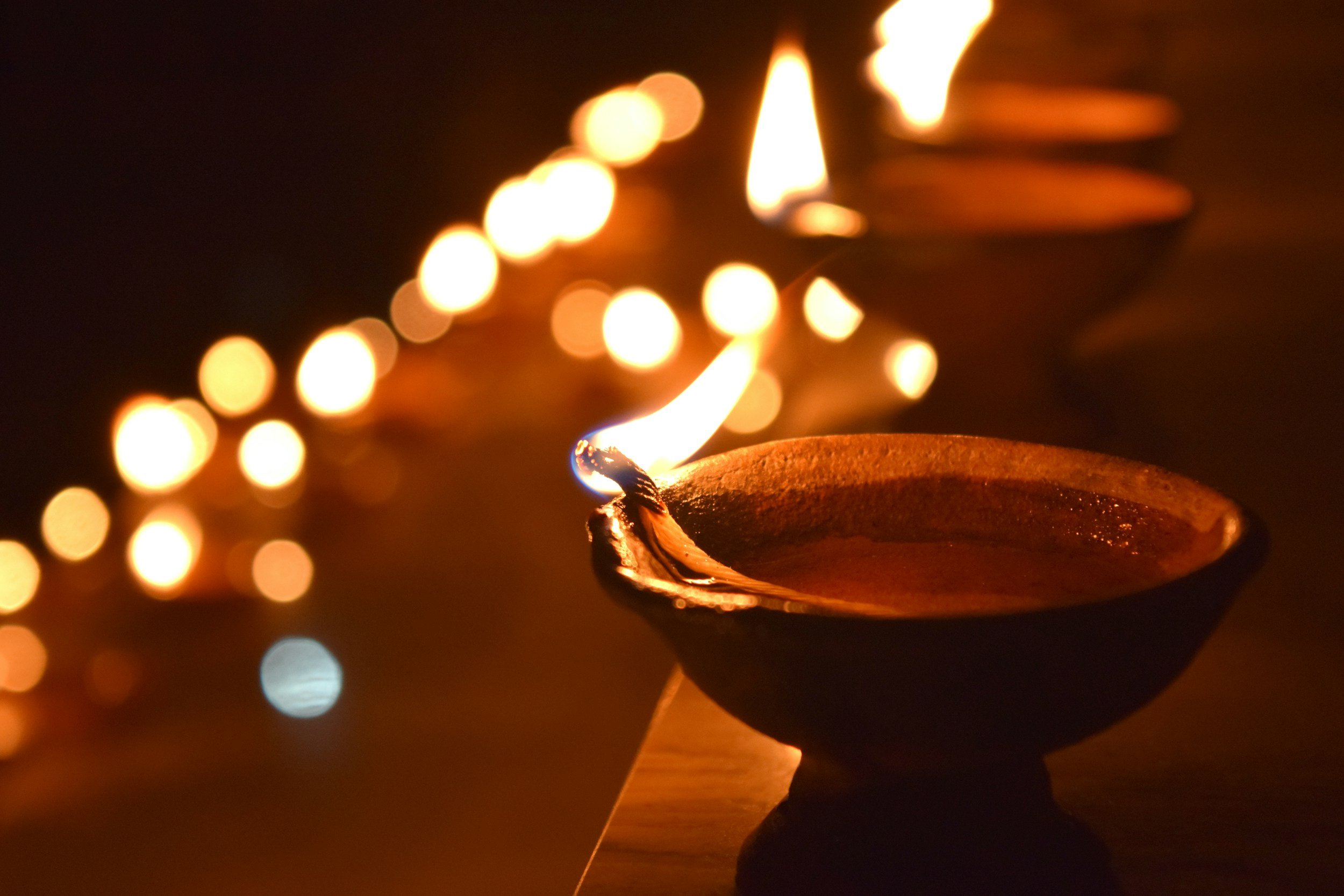
Diwali: Kali Chaudas / Narak Chaturdashi 2026
Day 2: Kali Chaudas / Naraka Chaturdashi
This day is observed differently across regions. In many parts of India, it's called Choti Diwali and marks the victory of Lord Krishna over the demon Narakasura, symbolising the triumph of good over evil. In Gujarat and some other regions, it is also known as Kali Chaudas, a day associated with removing negativity, self-reflection, and spiritual cleansing. People light lamps, take ritual baths, and perform puja to ward off evil energies.
Fun Activities:
Good vs Evil Art: Create artwork or comic strips retelling the story of Narakasura or depicting personal acts of courage and kindness.
Inner Light Reflection: Write about how we overcome our own "inner demons" (like fear or anger) and how we bring light into others’ lives.
Spiritual Cleansing Craft: Make a "negativity jar" – write down worries or fears, seal them away, and replace with positive affirmations.
Bath Salts: Make your own bath salts
Social Media: Share information on social media
Whole-School Awareness Ideas:
Morning Reflection or Guided Meditation: Encourage a quiet moment to reflect on self-improvement or gratitude.
School-wide “Acts of Light” Campaign: Promote acts of kindness to symbolise the removal of darkness.
Hallway Display: “From Darkness to Light” theme with student-created art or quotes on overcoming challenges.
Mini-Assembly or Video: Share the stories of Kali Chaudas and Naraka Chaturdashi to highlight regional differences in Diwali celebrations.
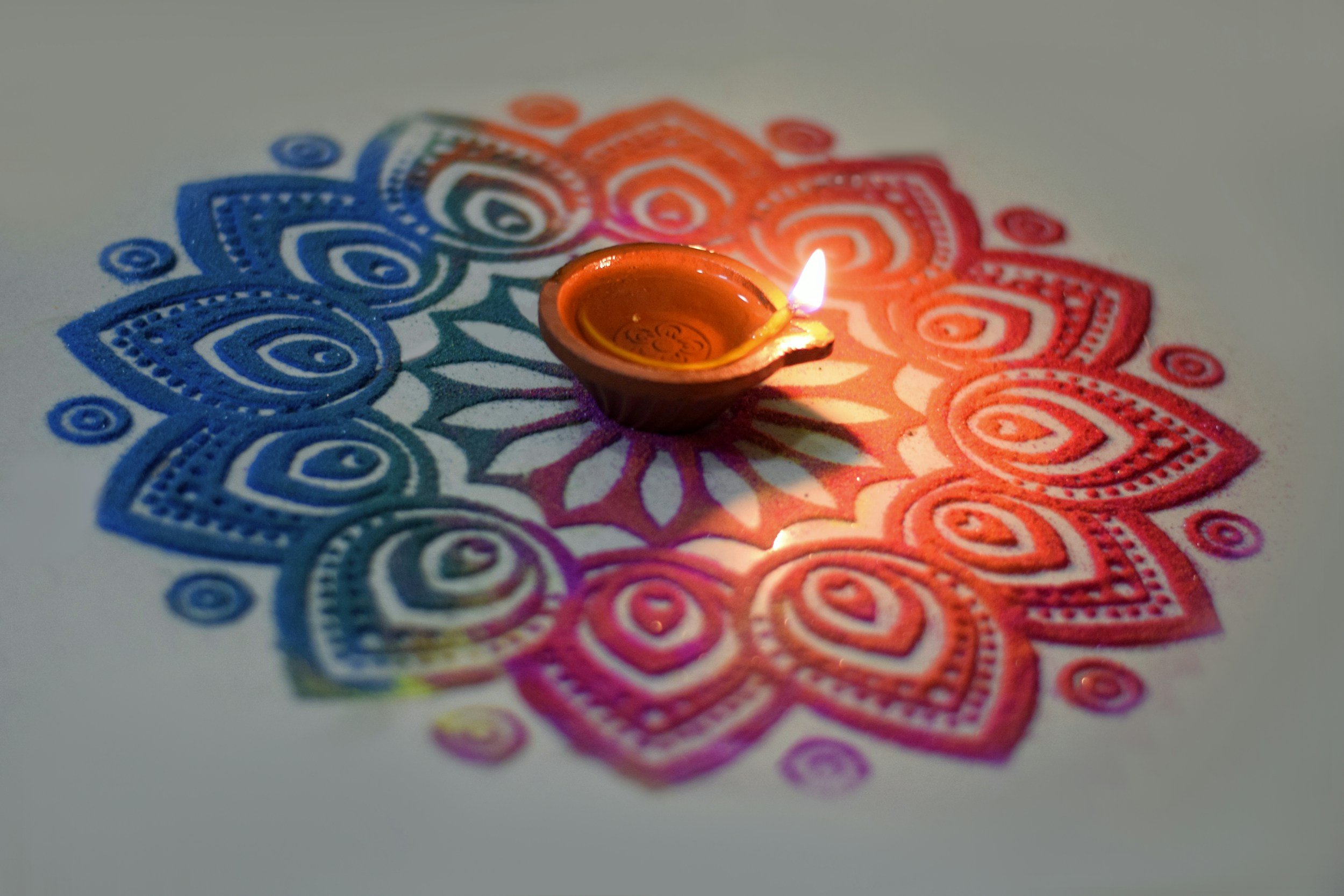
Diwali: Lakshmi Puja 2026
Day 3: Diwali (Main Day) – Lakshmi Puja
This is the central day of Diwali, celebrating the return of Lord Rama to Ayodhya and the triumph of light over darkness. It is the most festive day, marked with the lighting of lamps, fireworks, family gatherings, and most importantly, Lakshmi Puja, in which people pray to the goddess of wealth and prosperity. Homes are decorated to welcome her blessings. Another major tradition is creating rangoli—vibrant floor art made using coloured powders, rice, or flowers—to invite positivity and luck into the home.
Fun Activities:
Rangoli Making: Use coloured chalk, sand, or paper cut-outs to create rangoli patterns. Try both traditional and student-designed styles. Why not go big and decorate the school entrance with chalk designs?!
Decorate Diyas: Paint clay lamps with bright colours and glitter.
Lakshmi Footprints Craft: Make tiny paper footprints to symbolise Goddess Lakshmi entering a clean and welcoming space.
Story Circle: Share the story of Lakshmi and the return of Rama with visuals or a puppet show.
Whole-School Awareness Ideas:
Rangoli Display: Invite students to create a collaborative rangoli in the entrance hall or corridors.
Assembly on Diwali Traditions: Focus on Lakshmi Puja and the symbolism behind light and colour.
Form Time Activity: Explore how different cultures use light and colour in celebration.
Diwali Dress Day: Invite students to wear colourful clothing or traditional dress to celebrate.
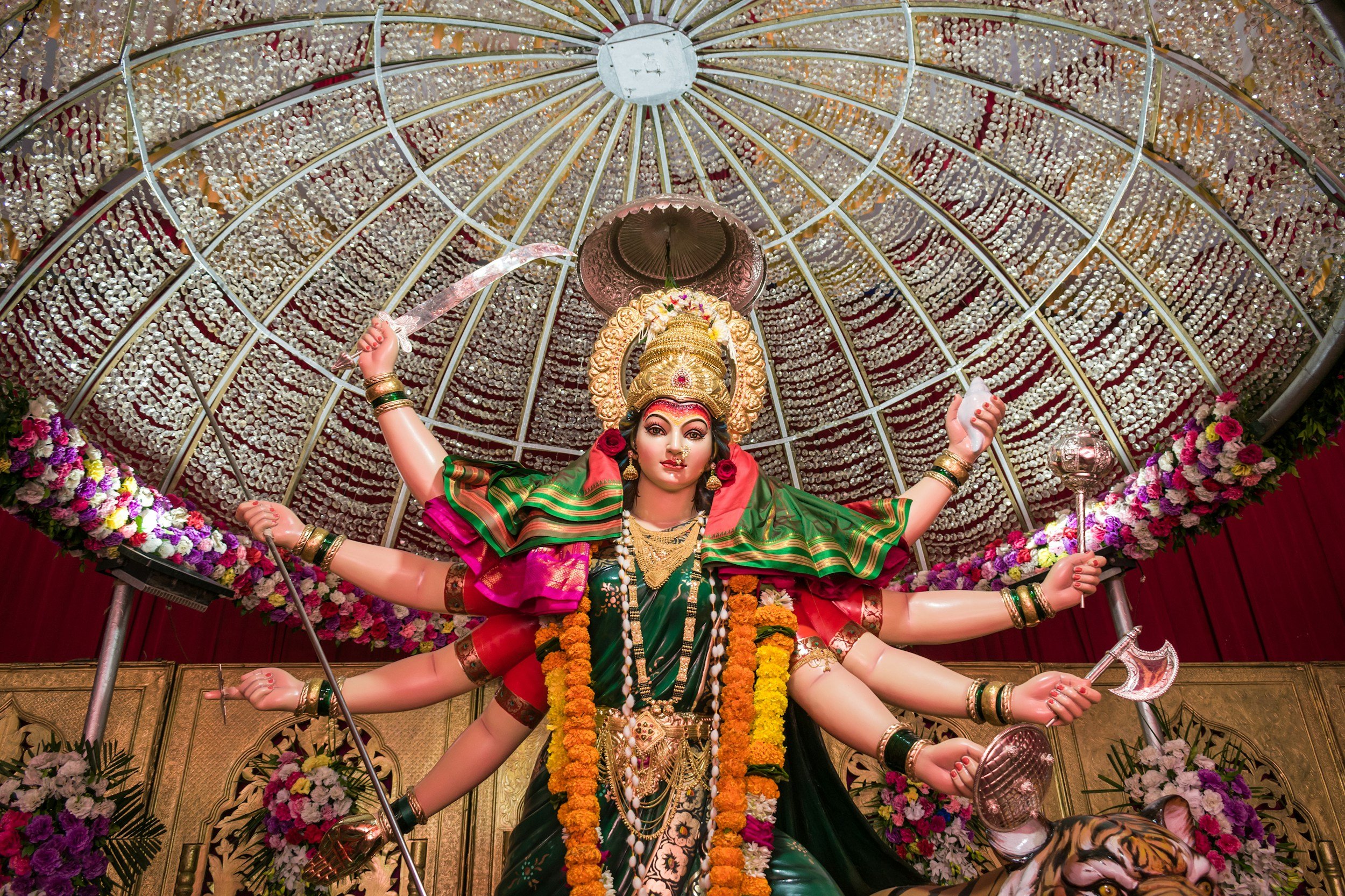
Diwali: Govardhan Puja 2026
Day 4: Govardhan Puja
This day is about gratitude and offerings to nature and God. It commemorates Lord Krishna lifting Govardhan Hill to protect villagers from a storm. Traditionally, large meals are prepared as offerings.
Fun Activities:
Create "gratitude plates" with drawings of things students are thankful for.
Collage activity representing nature and protection.
Make paper mountains or dioramas representing the Govardhan story.
Whole-School Ideas:
“Gratitude Wall” where students post what they’re thankful for.
Share the story of Govardhan Hill through a visual retelling or video.
Serve or display Indian food/snacks during lunch with information on their significance.

Diwali: Bhai Dooj 2026
Day 5: Bhai Dooj
This day honours the bond between siblings. Sisters pray for their brothers' well-being, and brothers offer gifts in return. It highlights love, respect, and protection in sibling and close relationships.
Fun Activities:
Card-making station: “Appreciation cards” for siblings or friends.
Bracelet or rakhi-style craft for friends.
Write “Top 3 things I appreciate about my sibling/friend.”
Whole-School Ideas:
Friendship focus during form time—encouraging messages or peer shoutouts.
“Buddy lunch” where students sit with someone they don’t usually talk to.
Display showcasing the value of sibling and friendship bonds in different cultures.
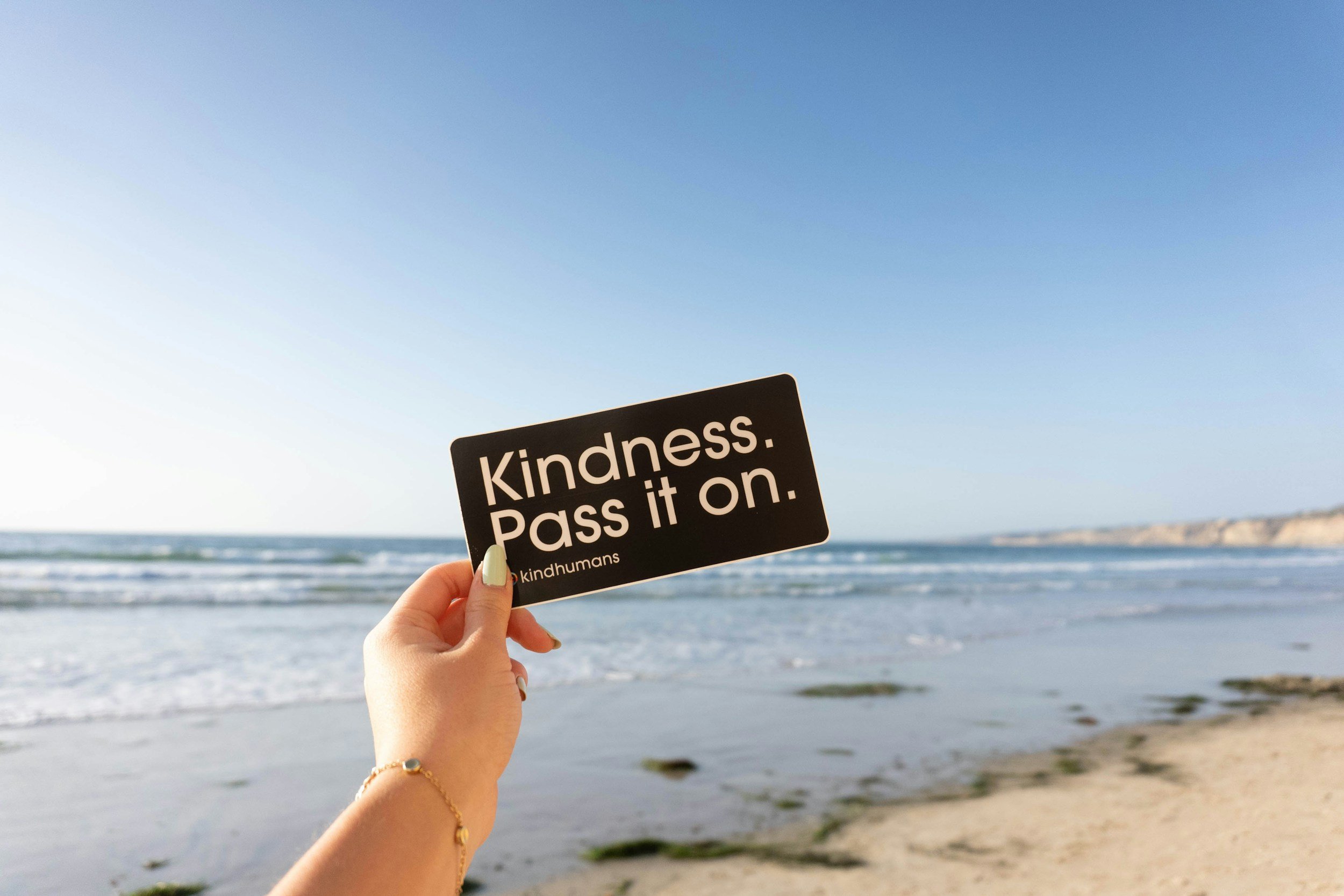
World Kindness Day
World Kindness Day promotes compassion, empathy, and positive action in communities around the world. It encourages people to recognise the impact that kindness can have on wellbeing, inclusion, and social connection. The day provides an opportunity for schools, organisations, and community groups to celebrate acts of kindness and inspire a culture of care and belonging.
Activities
Random Acts of Kindness Challenge Encourage acts of kindness, Reflect on how kindness affects wellbeing, Discuss how small actions can create positive change & Explore ways to make kindness a habit
Kindness Tree or Wall Display Create a visible representation of kindness across the school/organisation
Community Service Projects Organise activities such as: Litter picks in local areas, Care package creation, Food bank collections, Charity fundraising events & Letter-writing campaigns for care homes
Gratitude and Wellbeing Workshops Explore: Gratitude journaling, Positive affirmations, Mindfulness exercises & Emotional literacy activities
Kindness Pledge Participants can create a personal “Kindness Pledge” to promote positive behaviours throughout the year.
Intergenerational Kindness Activities Partner with local: Care homes, Libraries, Community centres & Voluntary organisations for various activities:
Activities may include:
Story-sharing sessions
Craft workshops
Digital skills mentoring
Community tea afternoons
Kindness in the Digital World Students or community members can create campaigns promoting online kindness.
Facilitate workshops on:
Positive online communication
Tackling cyberbullying
Responsible social media use
Digital citizenship
Secret Kindness Missions Assign anonymous acts of kindness to participants, such as:
Leaving encouraging messages
Supporting someone who may feel isolated
Tidying shared spaces
Helping classmates or colleagues
Whole School Awareness Ideas
Launch a Kindness Week across the school or organisation.
Introduce Kindness Ambassadors or peer mentors.
Create a school-wide Kindness Charter signed by staff and students.
Include kindness themes in assemblies and tutor sessions.
Establish a staff appreciation campaign.
Embed kindness within school values and behaviour policies.
Celebrate acts of kindness through newsletters or recognition boards.
Introduce “Wear Yellow for Kindness” days.
Create a Kindness Calendar with daily positive actions.
Encourage departments to explore kindness through their curriculum areas.
Social Media Ideas
Campaign Ideas
#KindnessChallenge: Share one act of kindness each day.
Kindness Spotlight: Highlight individuals making a positive difference.
Pass It On Campaign: Encourage others to continue acts of kindness.
Digital Gratitude Wall: Share thank-you messages for staff and volunteers.
One Good Thing: Invite people to share a positive moment from their week.
Kindness Around Our Community: Showcase local examples of compassion and support.
Social Media Hashtags:
#BeyondAllyship
#WorldKindnessDay
#ChooseKindness
#KindnessMatters
#SpreadKindness
#BeKind
#CompassionInAction
#CommunityKindness
#Wellbeing
#Inclusion
Anti-Bullying Week 2026
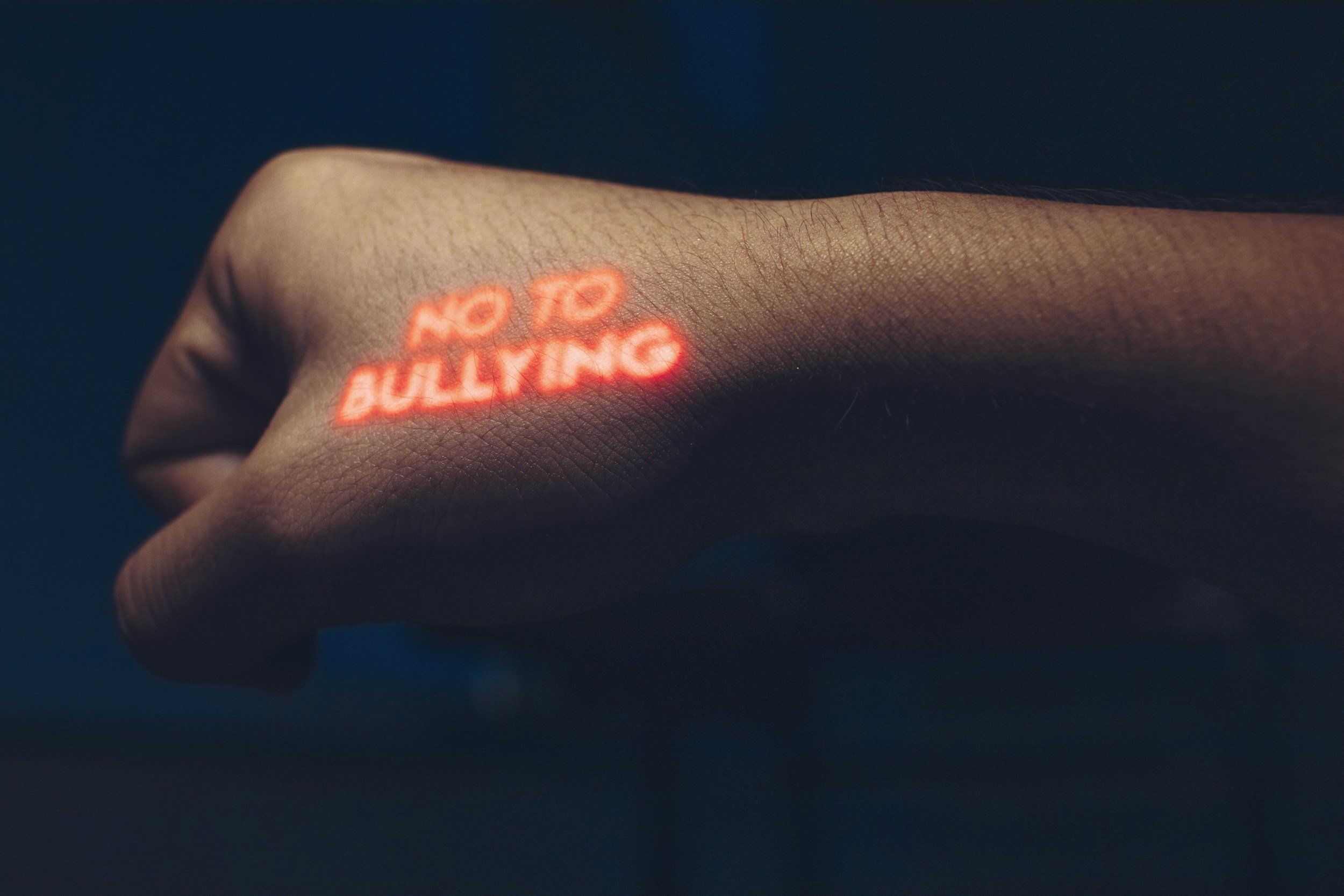
Anti-Bullying Week (Theme Break the Silence)
Aims to prevent bullying and promote kindness.
Activities:
Kindness challenges: Print out Kindness Challenge cards and hand them out to students as they enter encouraging positive behaviour. Encourage students to do as many as possible for more chances to win a prize. Prizes could be chocolates, skip queue pass for lunch, positive behaviour points, certificate or a social media shout out.
Role-playing: Scenarios to practice responding to bullying.
Poster contests: Create anti-bullying messages.
Positive Post-It: Cover a classroom door or hallway with post-its containing compliments, words of support, affirmations written by students.
Pledge Against Bullying: Have students sign a pledge to be an Ally and stand up against bullying.
Discussion: “What does it mean to be an upstander?”
Spoken word poetry
School-wide Awareness:
Wear specific colours to show unity against bullying.
Host assemblies highlighting the impact of bullying.
Celebrate individuality with an own clothes day or by wearing odd sock.
Projects: Anti-Bullying Week

International Men’s Day
Highlights positive male role models and focuses on men’s health, wellbeing, and contributions.
Activities:
Mental health awareness workshops: Open discussions about emotions, stigma, and support pathways.
Positive masculinity sessions: Explore role models who demonstrate empathy, kindness, and leadership.
Wellbeing physical activities: Team sports or fitness challenges linked to teamwork and resilience.
Story-sharing circles: Students reflect on influential male figures in their lives and communities.
Whole school awareness ideas:
Men’s mental health support campaigns
Pastoral care focus on wellbeing
Anti-stigma assemblies
Social media ideas:
“Real strength is…” campaign
Student interview reels
Role model appreciation posts
Hashtags: #BeyondAllyship #InternationalMensDay #MensMentalHealth #Wellbeing
World Children’s Day
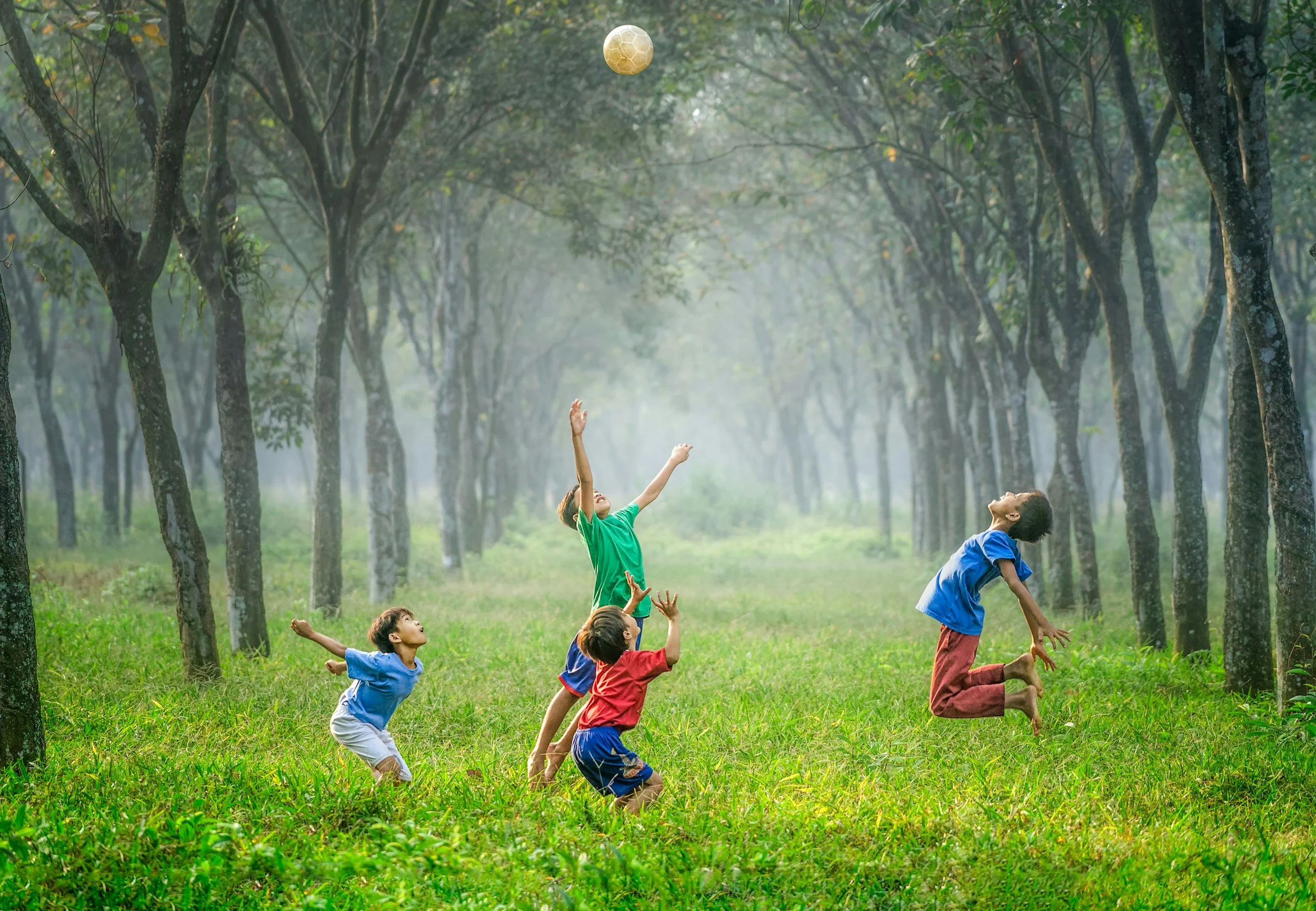
Promotes children’s rights, wellbeing, and participation in society.
Activities:
Rights education workshops: Explore UN Convention on the Rights of the Child using interactive scenarios.
Student voice projects: Pupils design surveys or presentations about school improvements.
Creative advocacy campaigns: Posters, videos, or songs expressing children’s rights.
Global childhood comparison studies: Explore daily life differences around the world.
Whole school awareness ideas:
Student council empowerment
Rights-based curriculum integration
Wellbeing and safeguarding focus
Social media ideas:
“Children’s voices matter” campaign
Student-led videos
Rights awareness graphics
Hashtags: #BeyondAllyship #ChildrensDay #RightsForChildren #VoiceOfYouth

International Day for the Elimination of Violence Against Women
Raises awareness of gender-based violence and promotes prevention and equality.
Activities:
Healthy relationships education: Age-appropriate sessions on respect, boundaries, and consent.
Bystander awareness training: Role-play scenarios teaching safe intervention and support-seeking.
Respect campaigns: Students design posters or videos promoting dignity and equality.
Media literacy sessions: Analyse how relationships and gender are portrayed in media.
Whole school awareness ideas:
Safeguarding and PSHE curriculum focus
Staff training on early warning signs
Whole-school respect culture initiative
Social media ideas:
“Respect starts here” campaign
Awareness infographic series
Student pledge videos
Hashtags: #BeyondAllyship #EndViolenceAgainstWomen #Respect #Equality

World Aids Day 2026
World AIDS Day
Raises awareness about HIV/AIDS and commemorates those affected.
Activities:
Educational sessions: Discuss HIV/AIDS, misconceptions and Historic events
Timeline: Create a timeline highlighting key events (e.g., first known cases, medical breakthroughs, launch of antiretroviral therapy, activism milestones).
Red ribbon crafts: Create symbols of support.
Fundraising events: Support HIV/AIDS charities - Sell Red Ribbons, have a bake sale.
Patchwork Quilt: Have students create their own Patchwork Quilt using fabrics, felt or paper to create a display
Quiz: Host a myth-busting quiz to tackle common misconceptions about HIV transmission, treatment, and prevention.
Displays/Social Media: Invite students to create posters with messages like “U=U (Undetectable = Untransmittable)”, “HIV doesn’t define anyone” or “End stigma, spread love”.
School-wide Awareness:
Moment of silence to honour lives lost.
Display informative materials about HIV/AIDS
Assembly/Form Time PowerPoint educating students around HIV / AIDS and correcting misconceptions/reducing stigmas.
Students to wear red, donations could be accepted to raise money for charity.
School Nurse or external organisations could attend to talk with students around prevention, testing and treatment.
Projects: World AIDS Day
Hanukkah
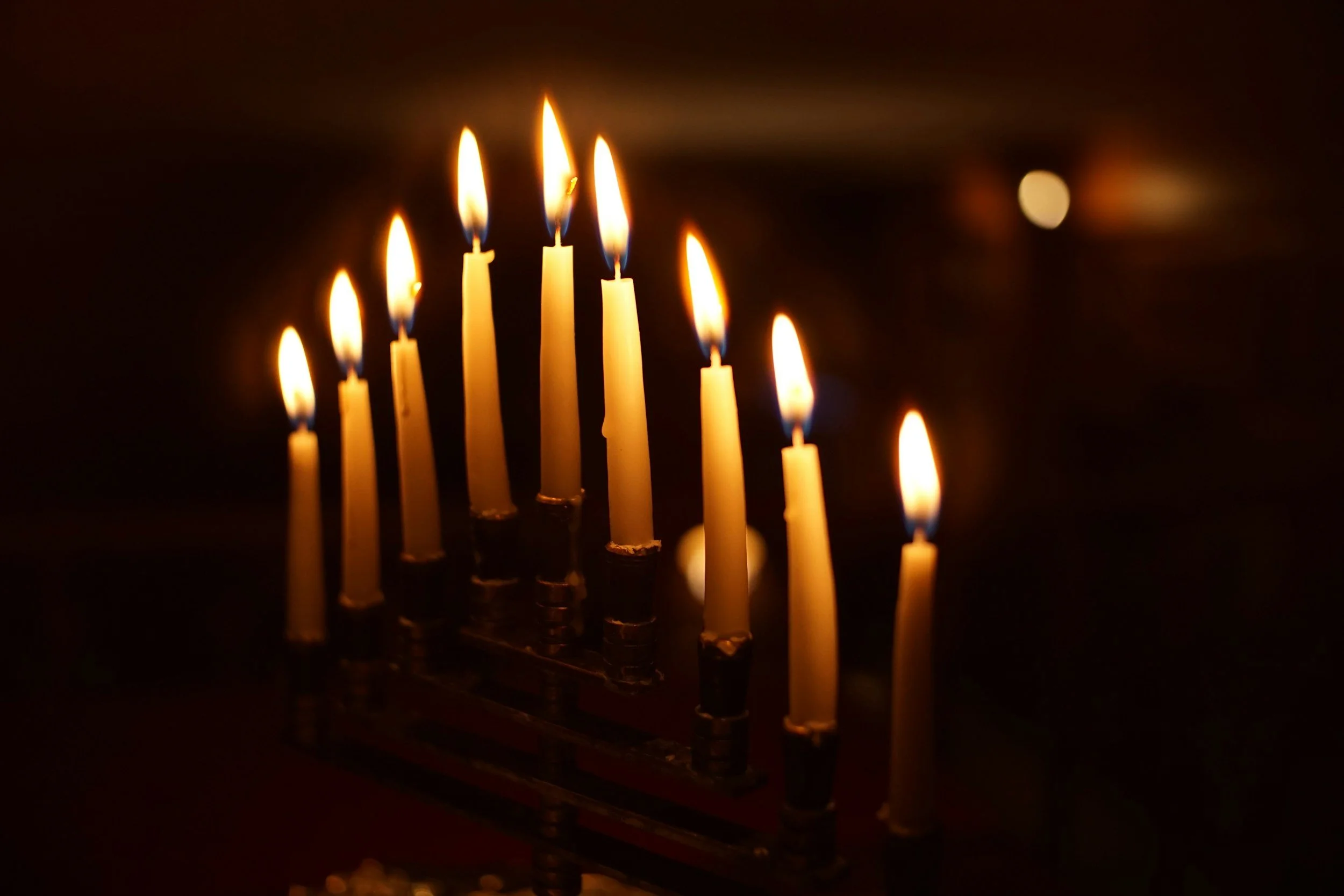
Begins at sundown on Friday, December 4th and ends at nightfall on Saturday December 12th. Jewish festival celebrating resilience, faith, and the miracle of light.
Activities:
Cultural storytelling: Learn the story of the Maccabees and the meaning of the menorah.
Light symbolism crafts: Create menorahs, candles, or light-themed art exploring symbolism.
Food and tradition exploration: Study traditional foods like latkes and sufganiyot (discussion or recipe-based learning).
Music and celebration sessions: Explore traditional songs and their meanings.
Whole school awareness ideas:
Winter interfaith learning unit
Religious literacy assemblies
Cultural celebration calendar inclusion
Social media ideas:
Candle lighting imagery series
Student cultural learning posts
“Festival of light” visuals
Hashtags: #BeyondAllyship #Hanukkah #FestivalOfLights #CulturalLearning
Human Rights Day 2026
Human Rights Day
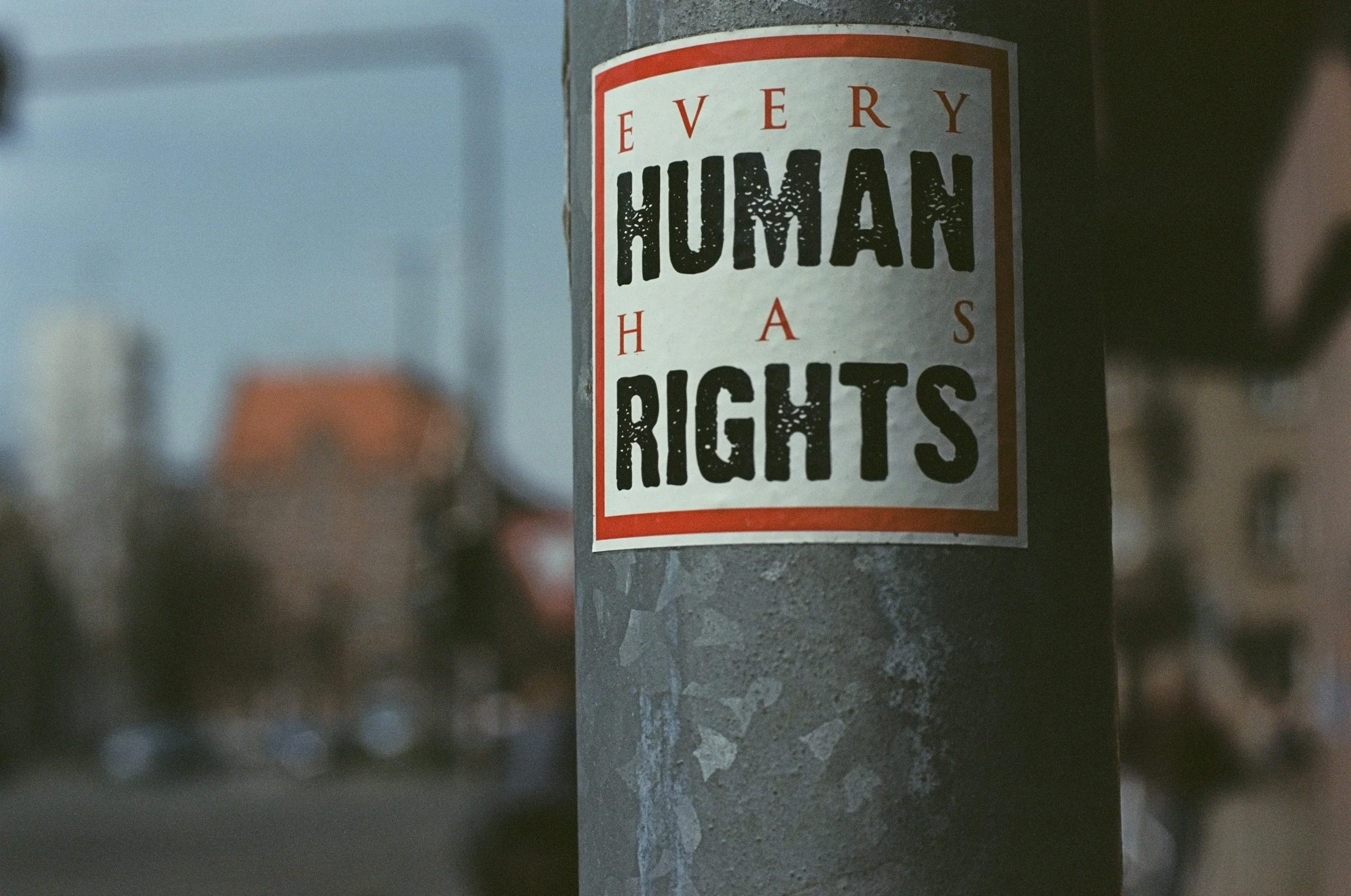
Human Rights Day marks the anniversary of the Universal Declaration of Human Rights (UDHR), adopted by the United Nations in 1948. This day celebrates the rights that belong to every person regardless of race, gender, nationality, religion, or background. It’s a time to learn about fairness, dignity, equality, and the importance of standing up for others and ourselves.
Activities:
• “What Are My Rights?” Poster Activity: Students learn key rights from the UDHR and design posters or info cards to explain them in their own words.
• Human Rights Timeline: Create a visual display showing key moments in global and local human rights history.
• Debate or Discussion Circle: Topics might include: “Are all rights respected equally today?” or “Why is it important to speak up?”
• Design a ‘Rights Hero’ Badge: Students create awards for human rights defenders (e.g. Malala Yousafzai, Nelson Mandela) and explain why they chose them.
• Storytelling Workshop: Share short stories or films based on real events where human rights were defended or challenged. Follow up with reflective writing or discussion.
Whole-School Awareness Ideas:
• Assembly or Form Time Presentation: Introduce the UDHR, highlight why human rights matter, and relate it to students’ lives today.
• Human Rights Pledge Wall: Students and staff write pledges like “I will treat everyone fairly” or “I will speak out against injustice.”
• Equality & Inclusion Display Board: Celebrate diversity, highlight real-life human rights stories, and feature student artwork or quotes.
• In English: Write persuasive letters about a human rights issue.
• In History: Explore civil rights movements.
• In PSHE: Discuss the right to education, safety, and expression.
• Random Acts of Kindness Challenge: Link human rights to everyday actions by encouraging kindness and empathy throughout the week.
Social Media Ideas:
• UDHR Explained: Short posts or carousels breaking down key human rights in student-friendly language.
• Student Quote Graphics: “What does equality mean to you?” or “What right is most important to you?”
• Spotlight on Human Rights Heroes: Feature brief profiles of people who have fought for justice (e.g. Rosa Parks, Greta Thunberg, Martin Luther King Jr).
• Challenge Posts:
• “Name 3 human rights everyone should have”
• “Tag someone who inspires fairness and kindness”
Hashtags to Use:
• #HumanRightsDay
• #StandUp4HumanRights
• #EqualityForAll
• #RightsMatter
• #YouthForHumanRights
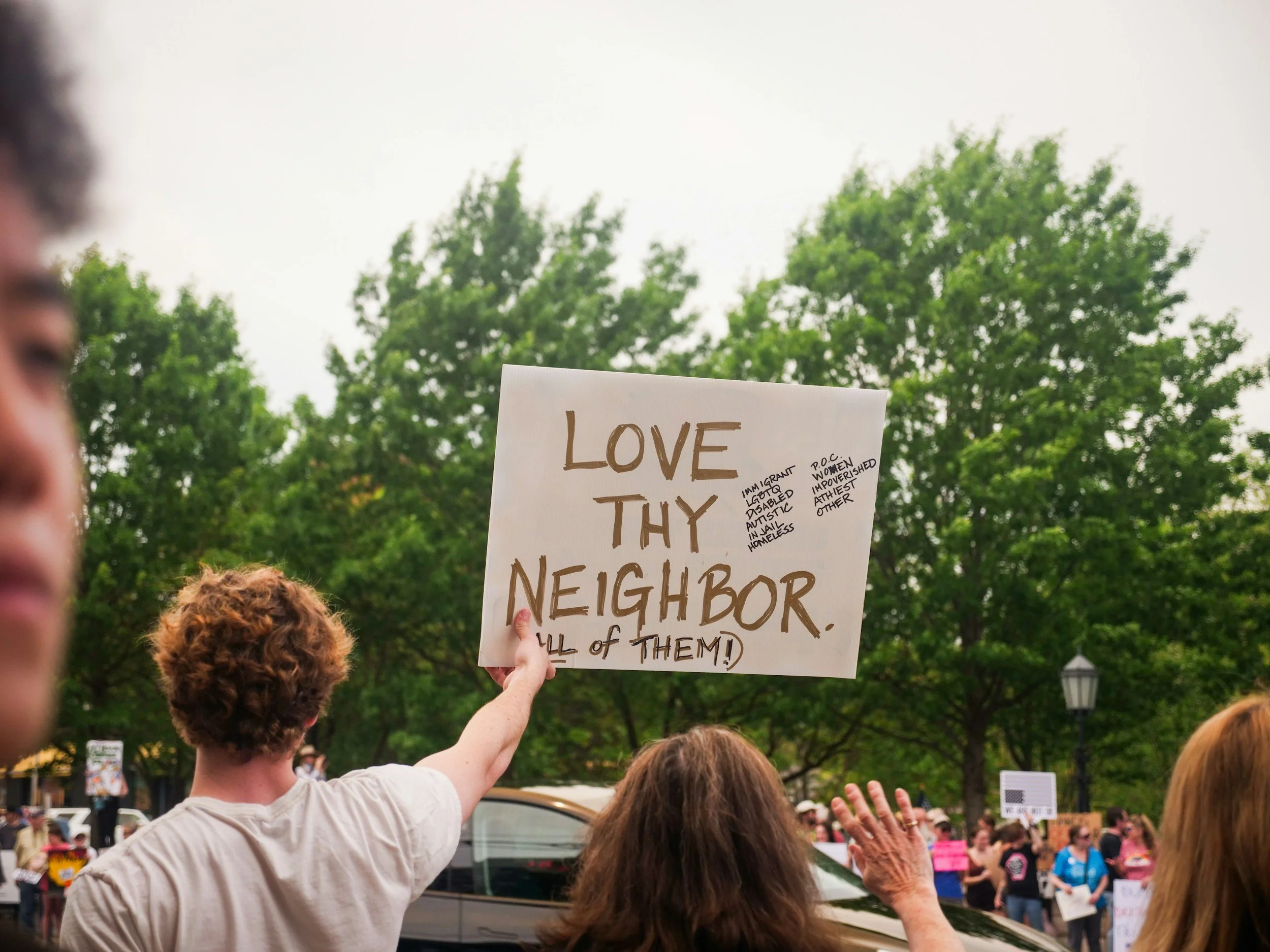
International Migrants Day
Recognises the contributions, challenges, and rights of migrants worldwide.
Activities:
Migration mapping project: Students trace global migration routes and explore reasons people move (work, safety, education), using geography and history links.
Identity storytelling workshops: Pupils create “my journey” narratives (real or fictional) focusing on culture, belonging, and adaptation.
Language and communication sessions: Explore multilingualism in schools, including greetings, phrases, and translation challenges.
Debate and ethics discussions: Structured debates on fairness, borders, and human rights using age-appropriate case studies.
Whole school awareness ideas:
Multicultural school identity celebration
Inclusive language and welcome policies
Curriculum focus on global citizenship and migration history
Social media ideas:
“Journeys that shape us” storytelling series
Staff/student multilingual greeting videos
Heritage spotlight posts
Hashtags: #BeyondAllyship #MigrantsDay #GlobalCitizenship #Belonging
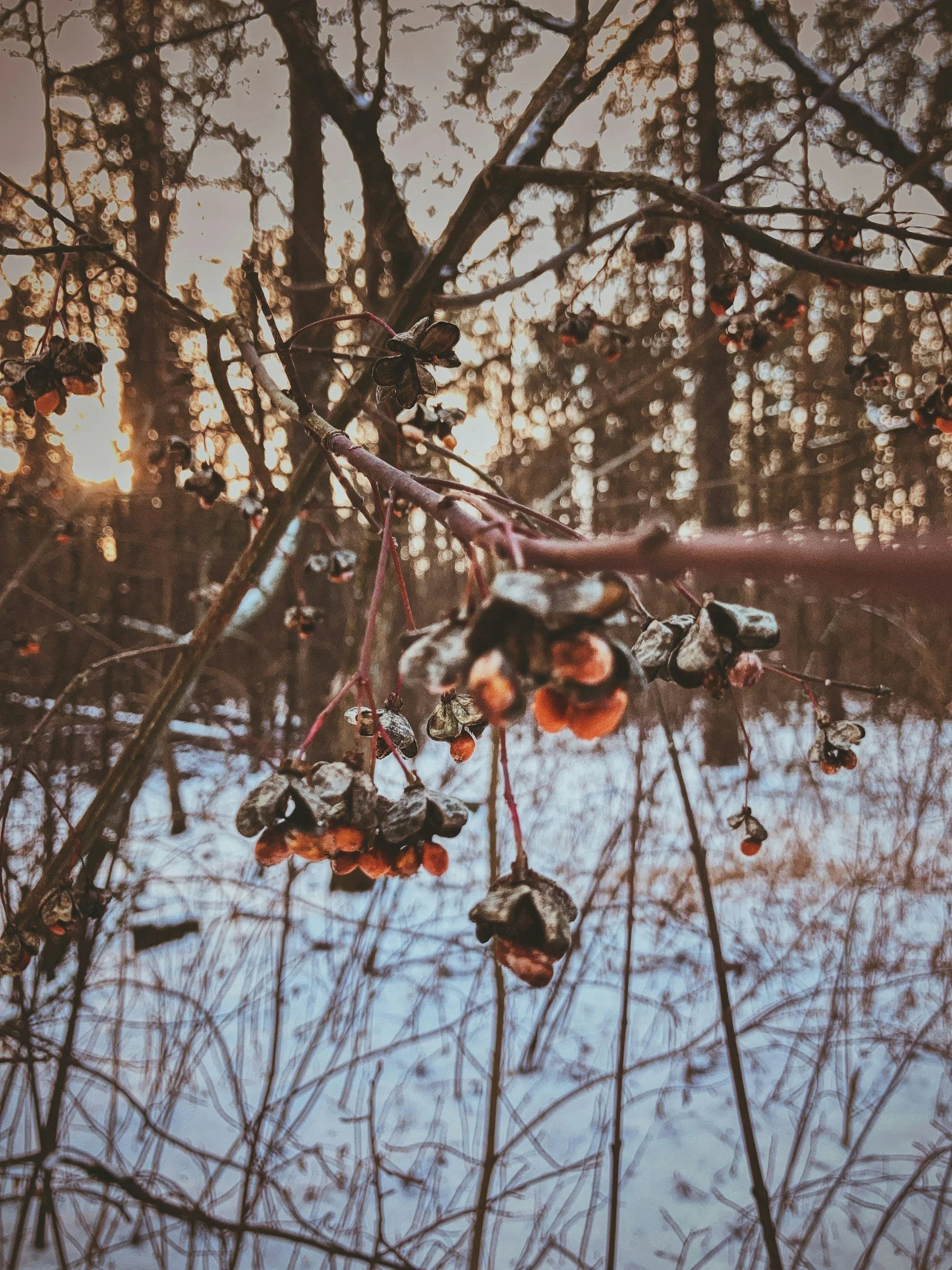
Yule (Pagan & Wiccan)
Celebrates the winter solstice, rebirth of the sun, and renewal in pagan and Wiccan traditions.
Activities:
Candle-making workshops
Winter storytelling and folklore
Evergreen wreath crafting
Nature reflection walks
Whole school awareness ideas:
Winter solstice assembly
Interfaith seasonal learning unit
Seasonal wellbeing reflection
Social media ideas:
“Light in darkness” student art posts
Solstice countdown stories
Nature photography showcase
Hashtags: #BeyondAllyship #Yule #WinterSolstice #SeasonalCelebration
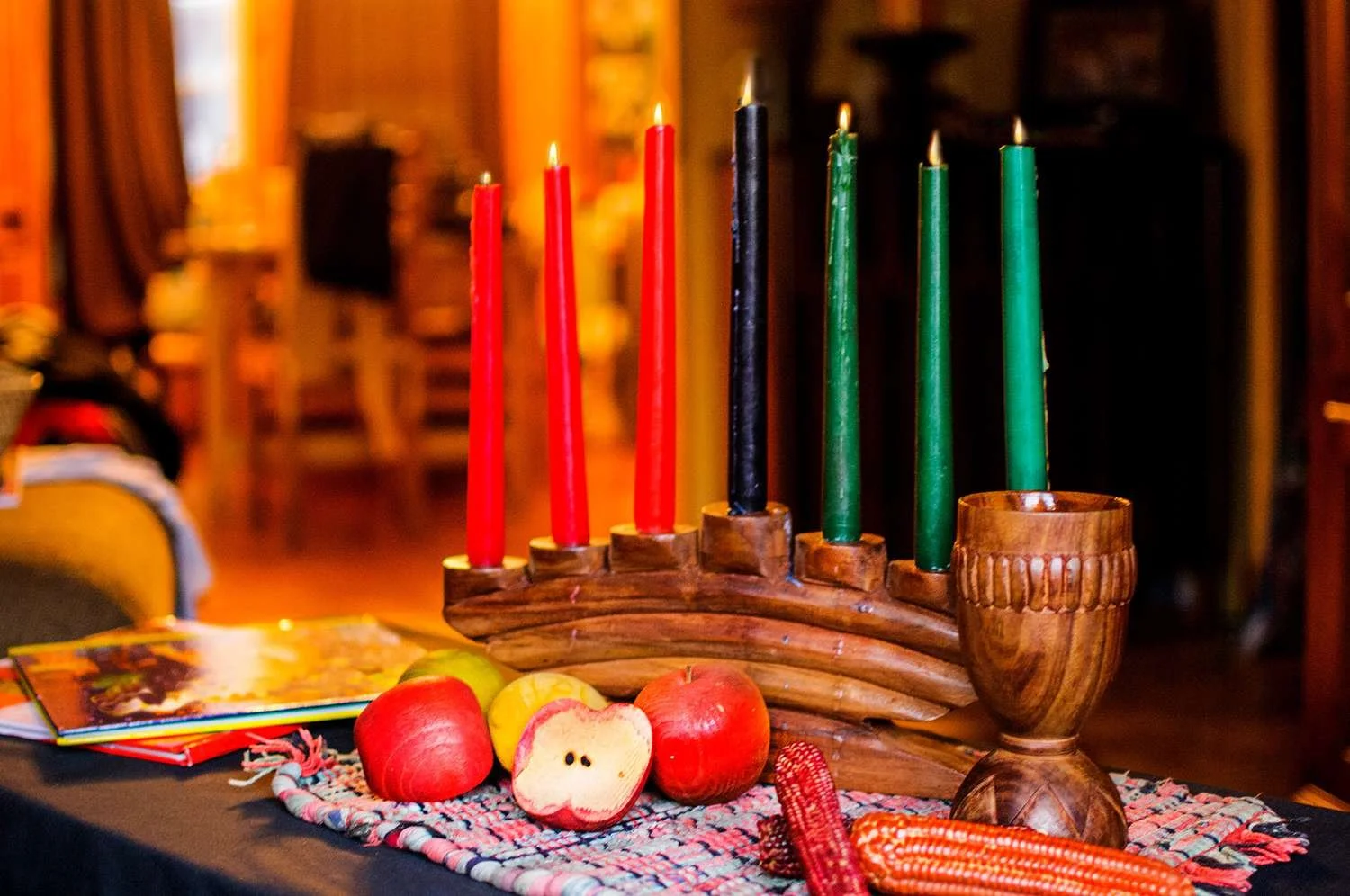
Kwanzaa (Week of Celebration)
Celebrates African heritage, unity, culture, and community values through the Nguzo Saba principles.
Activities:
Principle-based learning stations: Each day focuses on one principle (unity, self-determination, responsibility, etc.) with reflective tasks.
Candle lighting symbolism activities: Explore the meaning of the kinara and create classroom displays.
Cultural arts workshops: African and diaspora music, dance, storytelling, and visual arts activities.
Community project planning: Students design small acts of service reflecting Kwanzaa values (helping school/community needs).
Whole school awareness ideas:
Values-based education week
Cultural heritage celebration assemblies
Inclusion of African diaspora history in curriculum
Social media ideas:
“Seven days, seven principles” campaign
Student art and music highlights
Reflection quote series
Hashtags: #BeyondAllyship #Kwanzaa #Unity #CulturalHeritage
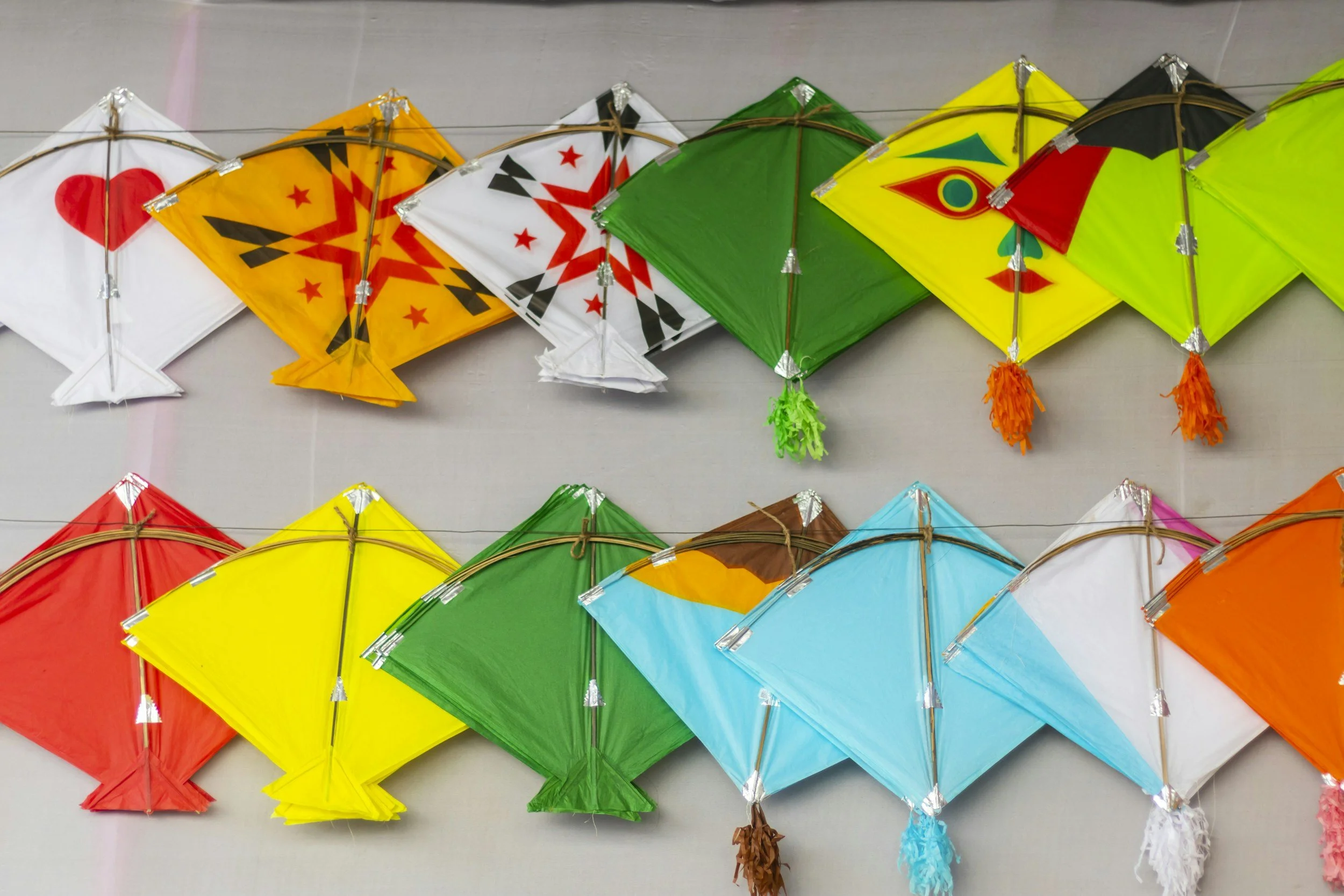
Makar Sankranti
Hindu harvest festival marking the sun’s transition into Capricorn.
Activities:
STEM kite design challenge: Students design kites exploring aerodynamics, symmetry, and materials before outdoor testing.
Cultural storytelling: Learn the festival’s meaning through myth, seasonal change, and agricultural cycles.
Food and harvest learning: Explore global harvest traditions and safe tasting sessions or recipe studies.
Dance/music workshops: Practice traditional folk dances to understand cultural expression through movement.
Whole school awareness ideas:
Global harvest festivals unit
Cultural dress day
Assembly on seasonal change
Social media ideas:
Kite flying timelapse
Cultural recipe reels
Student dance clips
Hashtags: #BeyondAllyship #MakarSankranti #HarvestFestival #CulturalHeritage
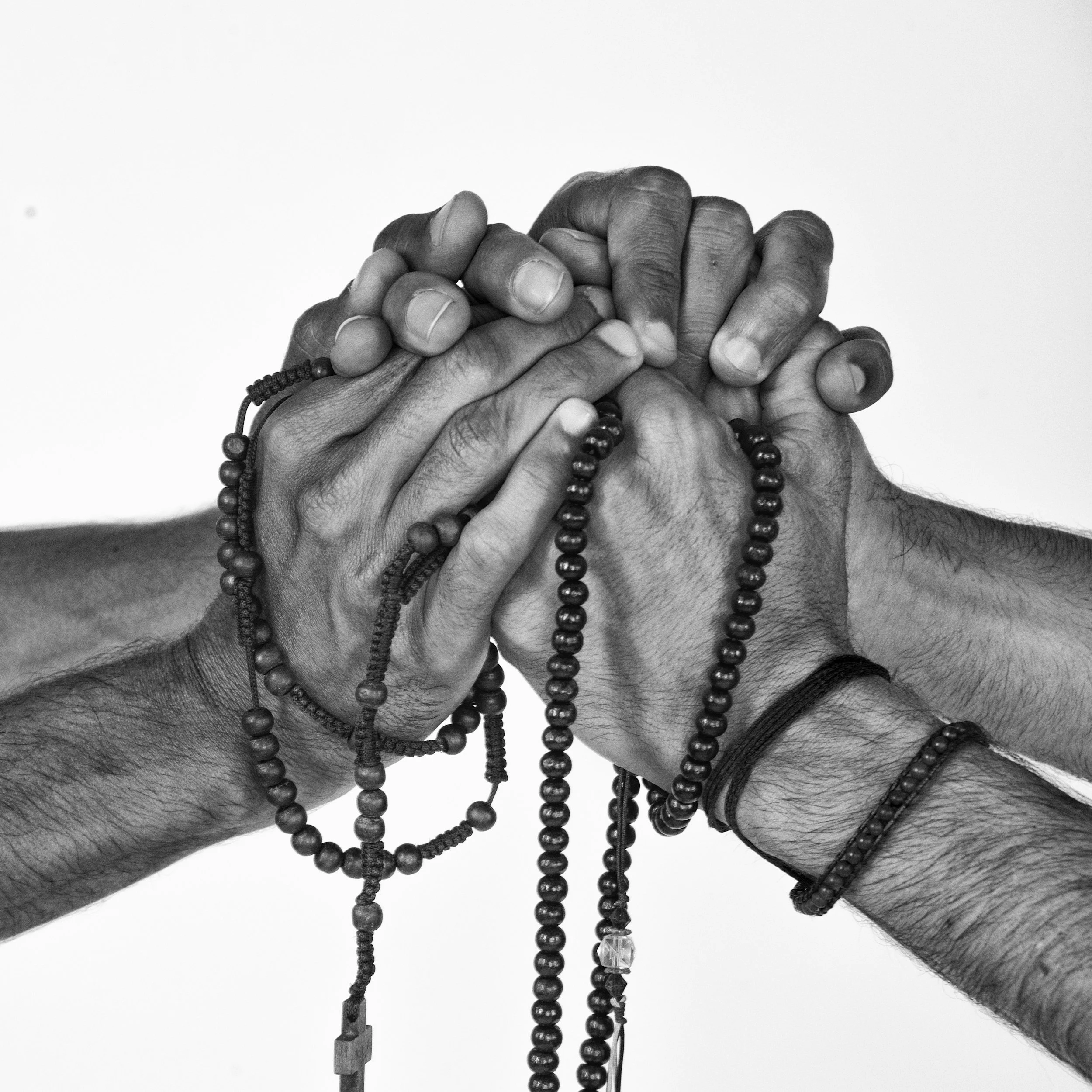
World Religion Day
Promotes interfaith understanding and respect between religions.
Activities:
Faith comparison learning stations: Explore key beliefs, symbols, and traditions across world religions respectfully.
Guest speaker panels (where possible): Community members share lived experiences of faith and belief.
Symbol and art workshops: Students design interfaith symbols representing unity and respect.
Myth-busting sessions: Address misconceptions about different religions through guided discussion.
Whole school awareness ideas:
Interfaith calendar integration
Respect and inclusion assemblies
Religious literacy curriculum mapping
Social media ideas:
“Different beliefs, shared values” posts
Student reflection videos
Interfaith symbol artwork showcase
Hashtags: #BeyondAllyship #WorldReligionDay #Interfaith #Respect
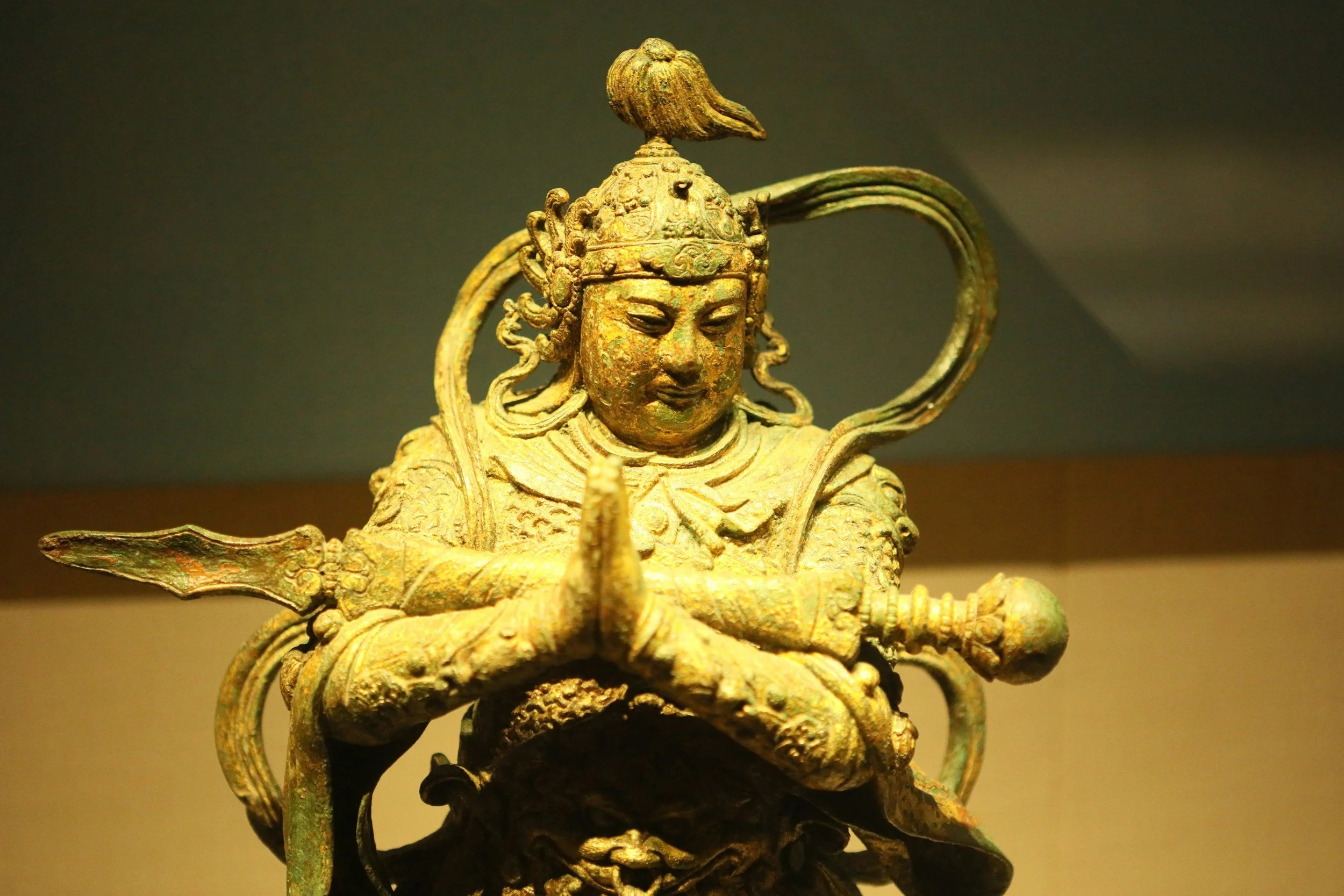
Mahayana New Year
Celebrates renewal, reflection, and Buddhist teachings in Mahayana communities.
Activities:
Mindfulness practice sessions: Guided meditation focusing on gratitude, intention-setting, and emotional awareness.
Cultural exploration projects: Research Buddhist traditions, temples, and festivals; present findings creatively (posters/videos).
Lantern symbolism craft: Create lanterns representing hopes for the new year and discuss symbolism of light and wisdom.
Reflection journaling: Students set personal “intentions for growth” aligned with wellbeing and kindness.
Whole school awareness ideas:
Buddhism introduction lessons
Mindfulness mornings
Interfaith calendar displays
Social media ideas:
“New year, mindful me” posts
Student reflection quotes
Lantern light visuals
Hashtags: #BeyondAllyship #MahayanaNewYear #Mindfulness #CulturalLearning

International Day of Education
Highlights education as a human right and driver of equality and opportunity.
Activities:
Global education comparison project: Students explore access to education worldwide and present findings.
“Future classroom” design challenge: Pupils design ideal learning environments focusing on inclusion and innovation.
Literacy and learning celebrations: Reading marathons, storytelling events, or peer tutoring sessions.
Education rights workshops: Explore why education matters using case studies and UN goals.
Whole school awareness ideas:
Whole-school reading initiatives
Equity in education discussions
Student voice on learning experience
Social media ideas:
“Education changes lives” campaign
Student learning journey stories
Teacher appreciation posts
Hashtags: #BeyondAllyship #EducationDay #RightToEducation #LearningForAll
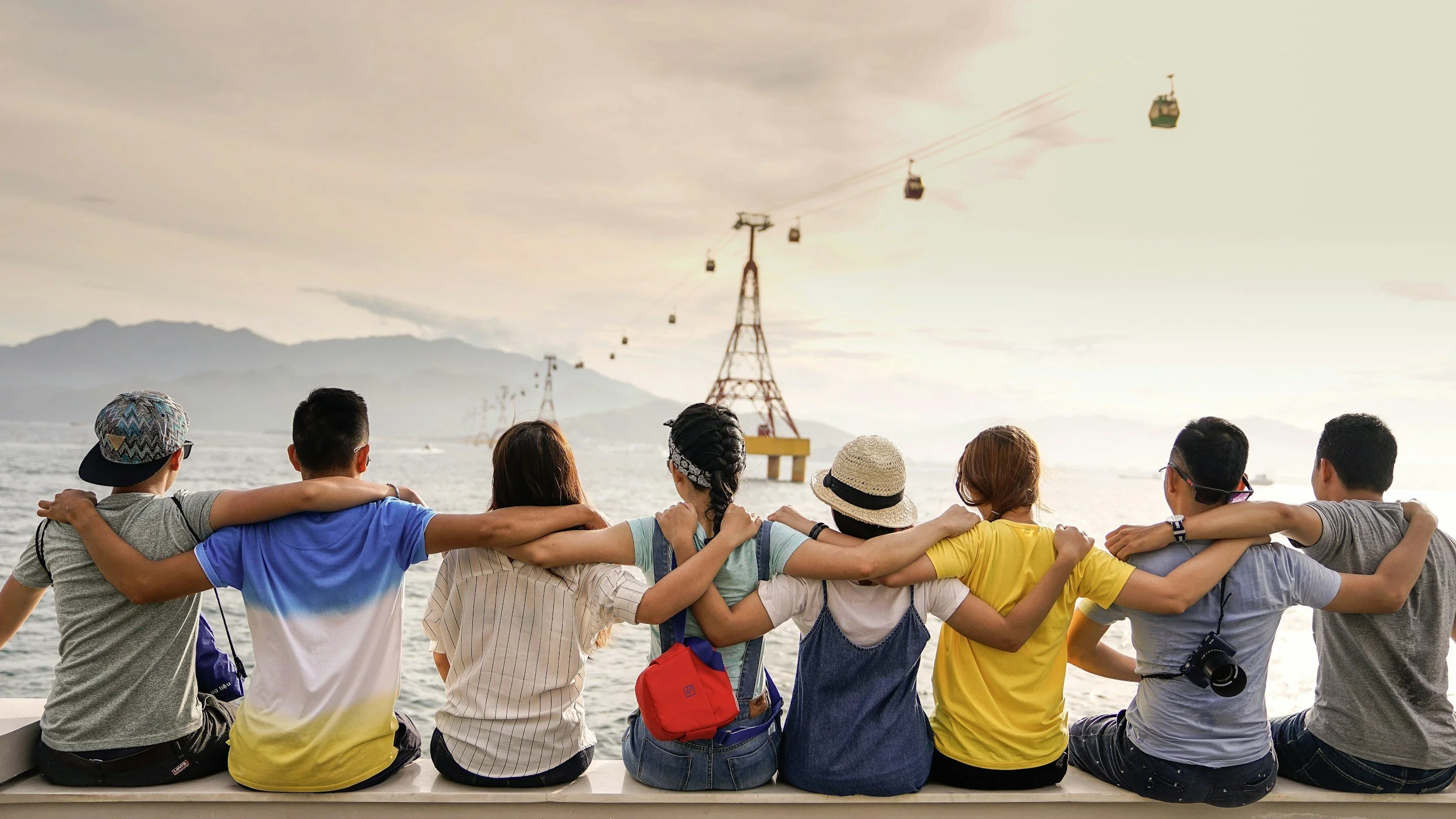
International Day of Peace and Coexistence
Promotes peacebuilding, tolerance, and coexistence between communities.
Activities:
Conflict resolution workshops: Teach communication skills, mediation, and empathy-based problem solving.
Peace art installations: Students create collaborative murals or doves/messages of peace.
Role-play scenarios: Explore how conflicts escalate and how they can be resolved peacefully.
Mindfulness and reflection sessions: Guided exercises on emotional regulation and empathy.
Whole school awareness ideas:
Anti-bullying and respect campaigns
Peer mediation programmes
Whole-school “peace pledge”
Social media ideas:
“Peace starts with us” campaign
Collaborative artwork showcases
Student peace messages
Hashtags: #BeyondAllyship #PeaceDay #Coexistence #Harmony
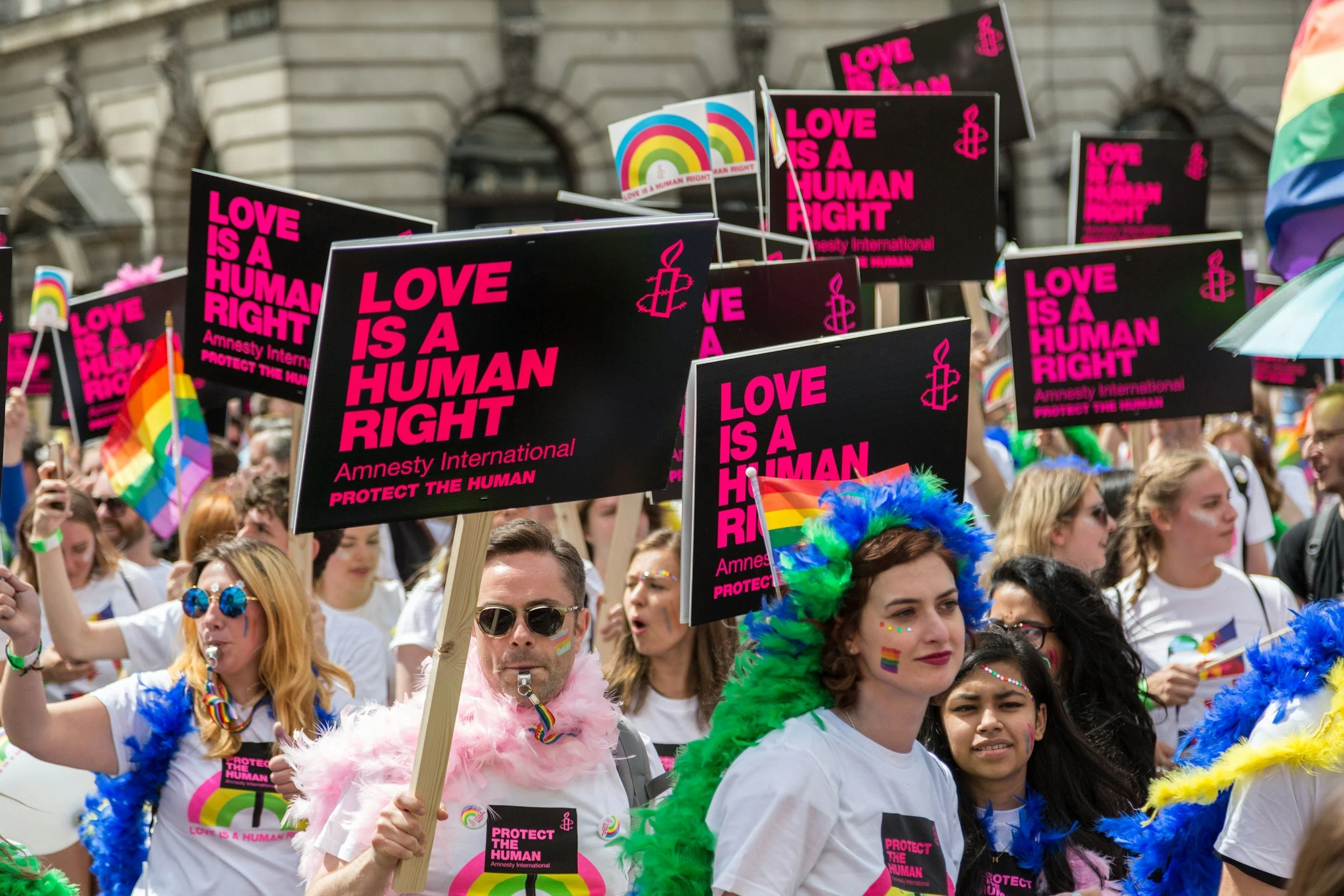
LGBT History Month 2027
LGBT History Month
Celebrates the history and achievements of the LGBT community.
Activities:
Timeline projects: Highlight key events in LGBT history.
Biography studies: Research influential LGBT figures.
Creative writing: Compose stories or poems inspired by LGBT history.
Research:
Research historic events such as Stonewall Riots, Decriminalisation of homosexuality, Introduction of same-sex marriage laws, Section 28.
Research LGBTQ+ Figures such as Marsha P Johnson, Alan Turing, Audre Lorde, Bayard Rustin, Lily Parr
Quiz: Have students create a quiz which could be shared on social media or as a form time activity.
Posters: Have students create inclusive, educational posters.
Letter to the Future: Have students write letters imagining what a fully inclusive world might look like 50 years from now.
Flag Designing: Have students create their own flags thinking about symbols and colours that represent who they are
Walk of Fame: Set up a display or “walk of fame” in a corridor featuring prominent figures in LGBTQ+ history and their achievements.
Book Display: Students could create displays in the library of inclusive literature
Social Media: Create posts throughout the month of timelines, busting misconceptions, celebrating LGBTQ+ figures
Podcast: Students could share their knowledge by creating a mini podcast series about LGBTQ+ History.
School-wide Awareness:
Host exhibitions showcasing student projects.
Organise guest speaker events.
Form time activities like quizzes and poster making.
Student assembly around LGBTQ+ History including historical figures, key moments in time and the current challenges that are faced.
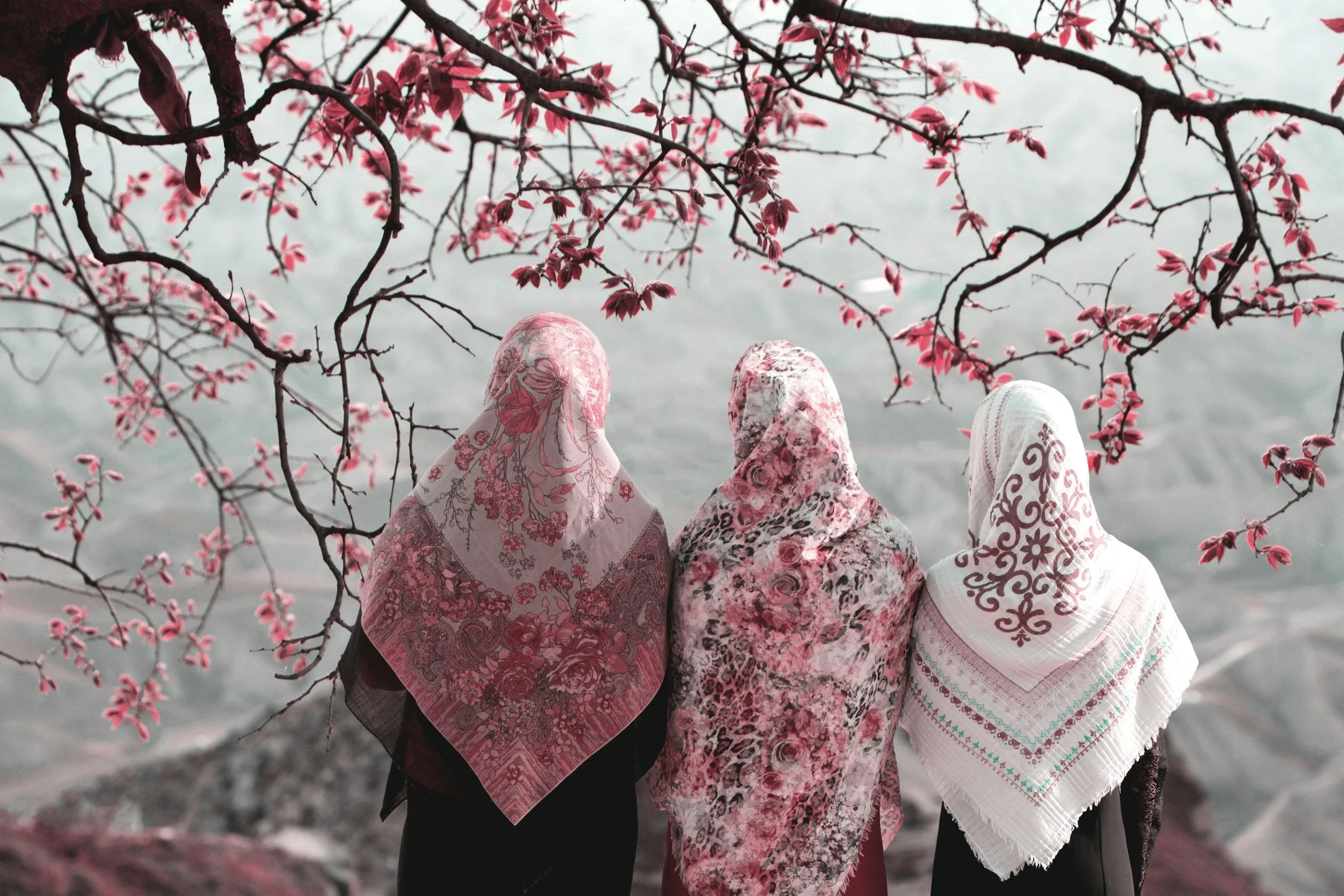
World Hijab Day
Promotes understanding and respect for Muslim women who choose to wear the hijab.
Activities:
Faith & identity workshops: Guided discussions on religious expression, choice, and identity using respectful case studies.
Guest speaker sessions: Invite Muslim women to share lived experiences (voluntary participation, opt-in reflection).
Cultural artefact exploration: Examine clothing, textiles, and modest fashion in different cultures.
Empathy-based learning tasks: “Walk in my shoes” scenarios exploring stereotypes and respectful communication.
Whole school awareness ideas:
Anti-bias education sessions
Religious literacy assemblies
Inclusive uniform policy review
Social media ideas:
“Walk in my shoes” challenge
Student interview reels
Respect stories series
Hashtags: #BeyondAllyship #WorldHijabDay #Respect #FaithAndIdentity
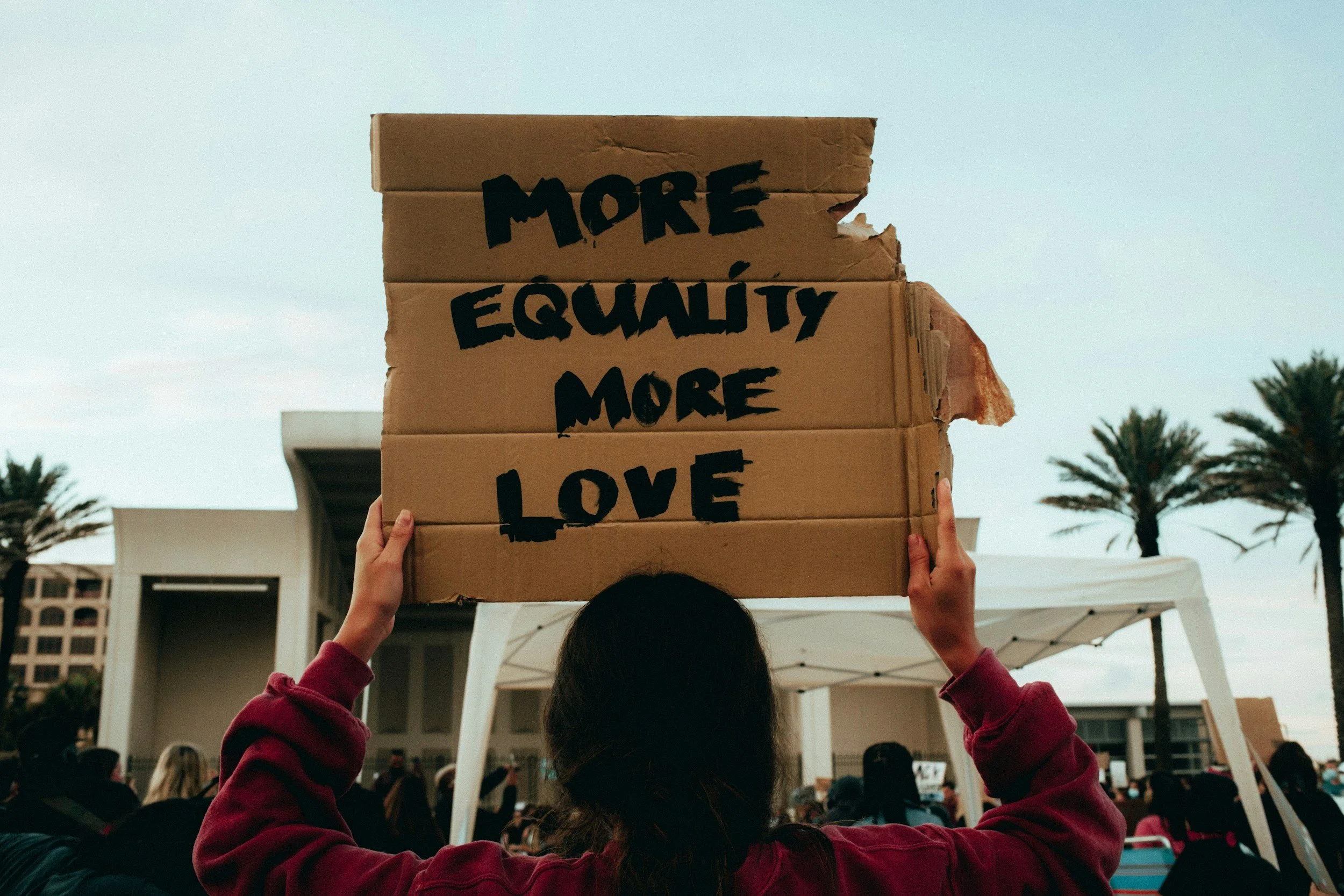
Race Equality Week
Focuses on improving racial equality in workplaces and communities.
Activities:
Unconscious bias workshops: Scenario-based learning exploring stereotypes and fairness in decision-making.
Cultural heritage research projects: Students present ancestry, migration stories, or cultural contributions.
Literature and media analysis: Explore representation in books, film, and news with critical thinking prompts.
Equity simulation exercises: Activities showing barriers different groups may face in society.
Whole school awareness ideas:
Anti-racism curriculum review
Inclusive history teaching
Equity audits
Social media ideas:
“My heritage story” series
Staff allyship pledges
Quote cards campaign
Hashtags: #BeyondAllyship #RaceEqualityWeek #AntiRacism #InclusiveEducation
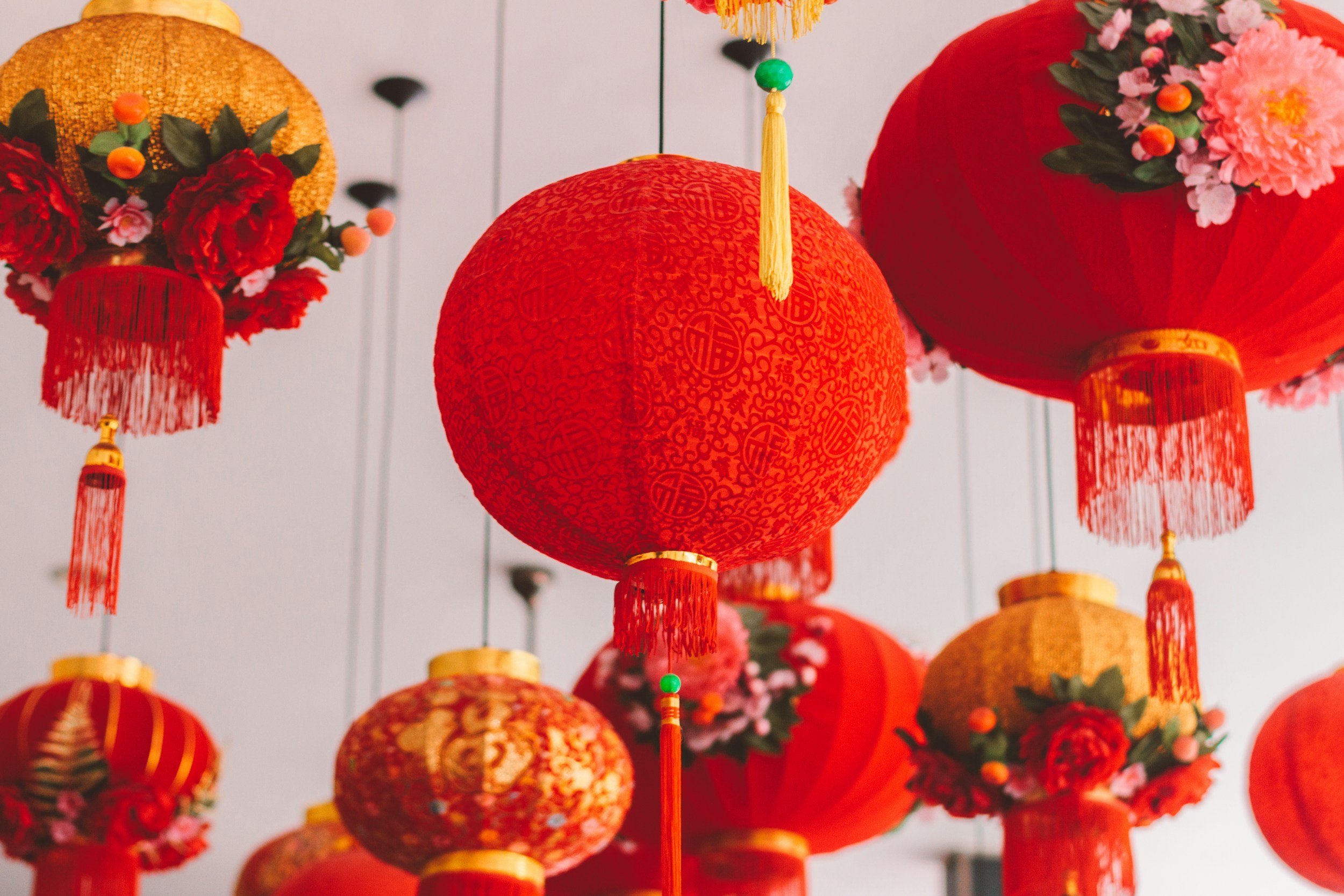
Chinese New Year 2027
Chinese New Year (Lunar New Year - Year of the Goat)
Also known as Spring Festival, it celebrates the start of the lunar new year with traditions like red decorations, lanterns, fireworks, and family meals.
Fun Activities:
Paper Lanterns: Create traditional red and gold lanterns to decorate classrooms.
Chinese Goat Puppets: Use paper, fabric, or recycled materials to make your own Horse designs.
Zodiac Animal Masks or Headbands: Students create and wear the animal of the current year (Year of the Goat).
Paper-Cut Art: Simple symmetrical designs using red paper to symbolise luck.
Firework Art: Use straws or paintbrushes to create vibrant firework scenes.
Zodiac Animal Storytelling: Learn the legend of the Great Race and how the zodiac animals were chosen.
Write Wishes or Poems: Write New Year wishes or short poems in English or translated into Mandarin (with support).
Mandarin Language Challenge: Learn to say “Happy New Year” (新年快乐 – Xīnnián kuàilè) and other simple greetings.
Tasting Table: Try symbolic foods like dumplings, spring rolls, oranges, and fortune cookies.
Chopstick Challenge: Fun (non-food) games using chopsticks, like moving cotton balls or pom-poms from one bowl to another.
Whole-School Ideas:
Assembly on the meaning and customs of Chinese New Year.
Red and gold-themed dress-up day.
School display of zodiac signs with student birthdays.
Chinese New Year trivia quiz during form time.
Students write kind messages or goals for the new year and place them in paper hongbao envelopes.

Ramadan 2027
Ramadan
A holy month in Islam focused on fasting from dawn to sunset, prayer, reflection, and community. It culminates in Eid al-Fitr.
Fun Activities:
Ramadan Lanterns (Fanous): Make paper lanterns and hang them in classrooms or hallways.
Crescent & Star Crafts: Symbolic Ramadan decorations made with foil, card, or recycled materials.
Ramadan Countdown Calendar: Each day includes a good deed or reflection prompt.
Create a Ramadan Journal: Students write reflections, gratitude lists, or questions they’d like to explore.
Ramadan Mosaics or Geometric Patterns: Inspired by Islamic art and architecture.
Whole-School Ideas:
Kindness Challenge: Daily good deeds for home, school, or community (linked to the values of Ramadan).
Ramadan Fact Hunt: Set up posters around school and challenge students to complete a Ramadan quiz by finding the answers.
Gratitude Wall: Students add sticky notes with what they are thankful for—builds empathy and awareness.
Create “Iftar Plates”: Art activity where students draw or write about traditional foods eaten to break the fast.
Who Inspires You? Board: Highlight Muslim figures, local or global, in fields like science, activism, art, and sports.

Safer Internet Day
Promotes safe, responsible, and positive use of digital technology.
Activities:
Online safety workshops: Cyberbullying, privacy, and digital footprint education.
Fake news detection games: Students analyse online content for reliability and bias.
Digital wellbeing sessions: Explore screen time, mental health, and balance.
Creative media projects: Students design “safe internet rules” posters or videos.
Whole school awareness ideas:
E-safety policy reinforcement
Parent digital safety sessions
Student digital ambassador programmes
Social media ideas:
“Think before you click” campaign
Student-made safety videos
Online kindness pledges
Hashtags: #BeyondAllyship #SaferInternetDay #OnlineSafety #DigitalWellbeing
St Valentines Day 2027
Valentine's Day
Celebrates love and affection in various forms.
Activities:
Card-making: Create inclusive Valentine's cards.
Compliment walls: Post positive messages for peers.
Kindness challenges: Encourage acts of kindness.
Gift Making: Allow students to create gifts for people to celebrate all types of relationships.
Send A Gift: Purchase sweets such as love hearts, or heart shaped lolly pops and send them to other students.
Photobooth: Students can create a background, create and buy props and during lunch students can attend to take photos with their friends to celebrate their relationships and connections. Make this event even more fun by printing photos like Polaroids or Photobooth so they can take them home as keepsakes. (Valentines Day 2025 / Valentines Day 2024)
Discussions: “Who makes you feel supported?”, “What do you value in a friend?”, “How do people show care/love/respect?”
Show Appreciation: Students could reflect on a relationship they appreciate and write a short paragraph or picture or make a gift for someone.
Crafts: Make friendship bracelets with beads or loom bands, bath salts or make card or pictures for people.
School-wide Awareness:
Decorate common areas with inclusive symbols.
Organise events celebrating all types of relationships.
Give out heart shaped sweets to students during the day or as positive behaviour points.
Projects:
Zero Discrimination Day 2027
Zero Discrimination Day
Zero Discrimination Day, observed on 1st March, is a global celebration of everyone’s right to live with dignity regardless of their age, gender, race, sexuality, health status, disability, income, or background. This day encourages all of us to challenge prejudice, promote inclusion, and stand up against discrimination in any form.
Activities:
Butterfly of Acceptance Activity: Each student decorates a paper butterfly with a positive message about equality, inclusion, or kindness. Display them in a central area.
“What Makes Me Unique?” Activity: Students share something unique about themselves and what they’re proud of. Use these to build a classroom collage or display.
Inclusion Bingo: Create a bingo card with inclusive behaviours like “Helped someone feel welcome” or “Listened without judging.”
Role-Play Scenarios: Small groups act out situations involving discrimination and discuss ways to respond positively and respectfully.
Badge or Poster Making: Design school-wide visuals that promote inclusion and celebrate differences.
Whole-School Awareness Ideas:
Wear Bright Colours Day: Invite students and staff to wear vibrant colours to represent diversity and unity.
Assembly or Form Time Talk: Cover what discrimination is, how it affects people, and how to be an ally in everyday life.
Kindness & Inclusion Wall: Students write anonymous compliments or supportive messages for others in the school.
Zero Discrimination Pledge Tree: Students write pledges on leaves, like “I will treat others with respect” or “I will speak up if I see unfair treatment.”
Link with Curriculum:
PSHE: Focus on discrimination, stereotypes, and inclusion.
English: Explore literature featuring diverse voices or social justice themes.
Art: Create visuals that celebrate identity and diversity.
Social Media Ideas:
Butterfly Symbol Posts: Share digital butterfly graphics with affirming quotes (e.g., “Everyone has the right to be treated equally.”).
#ZeroDiscriminationDay Challenge: Invite students to post or comment one way they promote inclusion in school or online.
Student Voice Quotes: “What does zero discrimination mean to you?”—create shareable quote cards.
Myth-Busting Carousel: Tackle common misconceptions about identity, disability, or discrimination.
Hashtags to Use:
#ZeroDiscriminationDay
#CelebrateDiversity
#NoPlaceForHate
#InclusionMatters
#EqualityForAll
#BeAnAlly
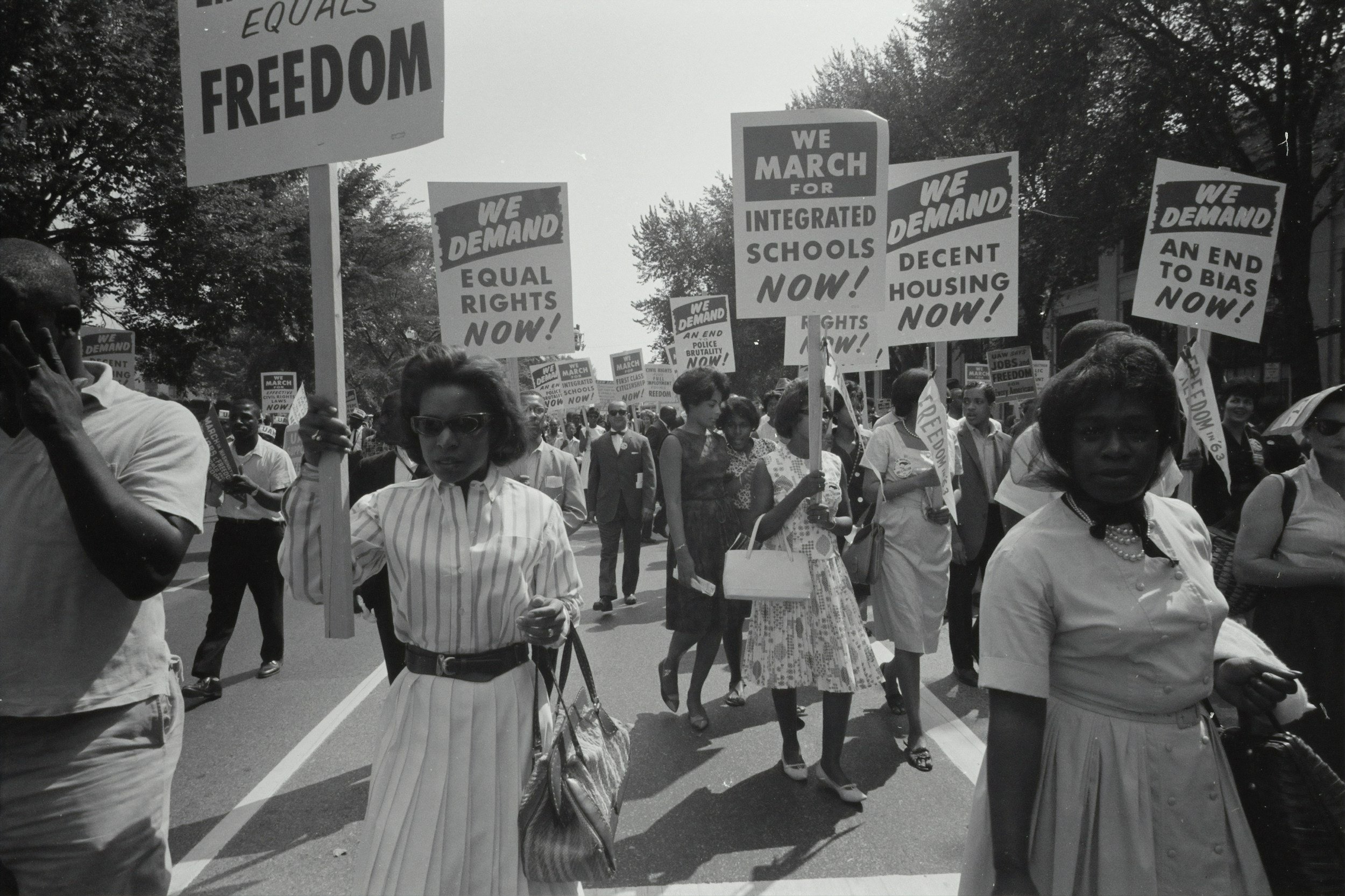
Women’s History Month
Celebrates women’s contributions to history, culture, and society.
Activities:
Biography research projects: Students investigate women across STEM, arts, politics, and activism.
Role-play and reenactments: Recreate key historical moments or speeches for deeper engagement.
STEM challenges: Problem-solving tasks highlighting women innovators and scientists.
Creative writing workshops: Write speeches, diaries, or interviews from historical perspectives.
Whole school awareness ideas:
Curriculum gender balance review
Guest speaker series
Library spotlight displays
Social media ideas:
“She changed the world” posts
Student biography videos
Daily woman spotlight
Hashtags: #BeyondAllyship #WomensHistoryMonth #WomenInSTEM #Equality
International Women’s Day
Global celebration of women’s achievements and call for gender equality.
Activities:
Leadership workshops: Students explore leadership qualities and barriers women face in leadership roles.
Campaign design projects: Create equality campaigns addressing real-world issues.
Panel discussions: Invite diverse speakers to discuss gender equality and lived experience.
Art activism projects: Posters, murals, or digital media promoting equality themes.
Whole school awareness ideas:
Gender equality assemblies
Leadership spotlight boards
Equity policy discussions
Social media ideas:
“Break the bias” videos
Staff appreciation posts
Student pledges
Hashtags: #BeyondAllyship #IWD #BreakTheBias #GenderEquality
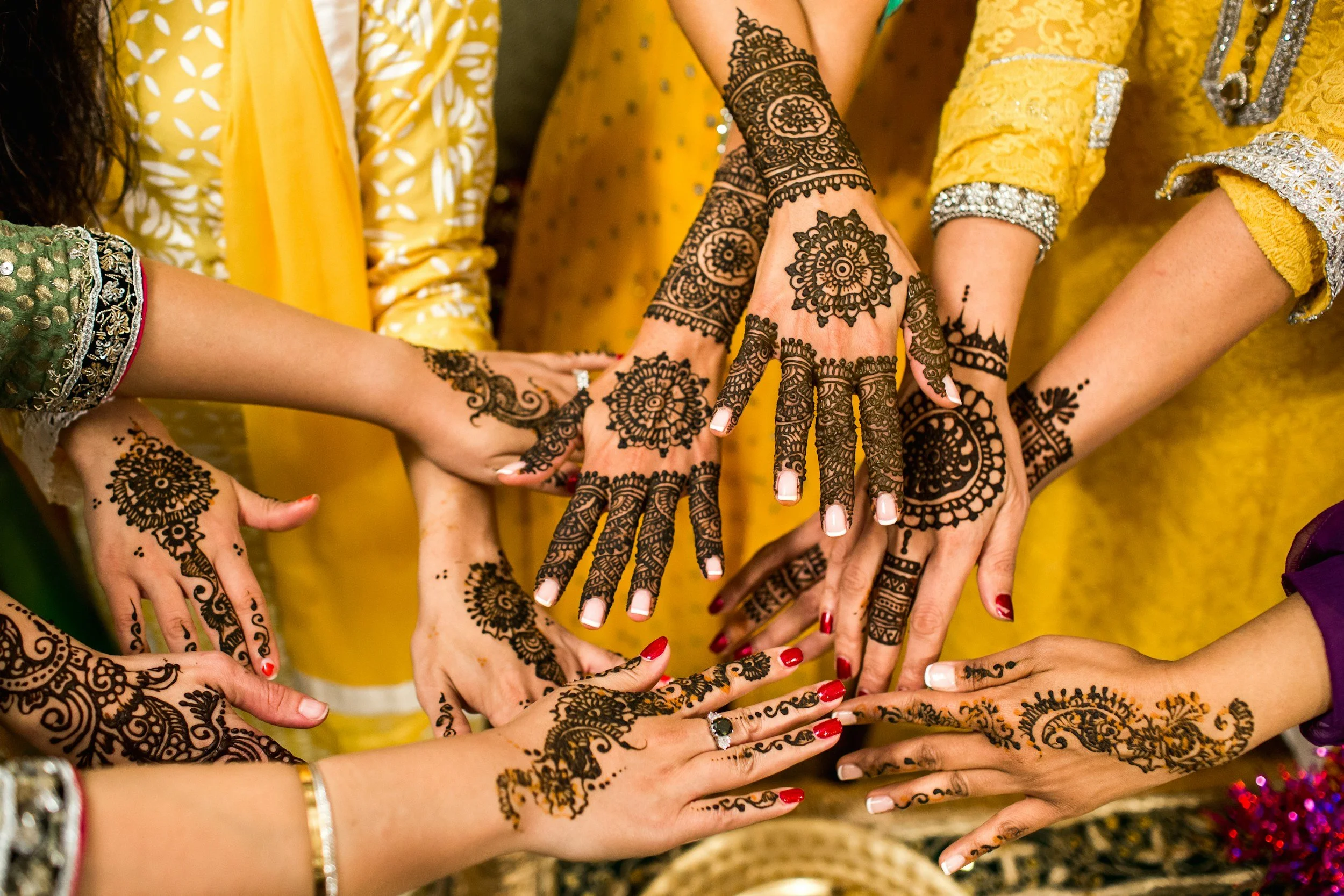
Eid al-Fitr 2027
Eid al-Fitr (End of Ramadan)
Eid al-Fitr marks the end of Ramadan, celebrating the end of the fast with prayer, food, and giving to charity. Eid al-Adha commemorates the willingness of Ibrahim to sacrifice for his faith.
Fun Activities:
Eid Greeting Cards: Design and decorate cards with “Eid Mubarak” and personal messages.
Crescent Moon & Star Crafts: Use foil, glitter, or coloured paper to create symbolic decorations.
Henna Art (Paper or Templates): Use stencils or draw henna-style patterns on paper hands.
Eid Gift Boxes: Make small paper boxes and decorate them, symbolising the giving of Eid presents.
Islamic Geometric Art: Explore symmetry and design patterns with rulers, compasses, or stencils.
Write an Eid Story: Create a short story or comic strip showing how a family celebrates Eid.
Eid Around the World: Research how Eid is celebrated in different countries—compare traditions, food, and clothing.
Arabic Name Art: Write names or Eid greetings in Arabic calligraphy using templates or guidance.
Create a Charity Poster: Educate others on the importance of zakat (charity) and what it supports.
Guess the Sweet Game: Explore traditional Eid treats like dates, maamoul, or baklava and do a blind-tasting or quiz.
Eid Playlist: Play traditional or modern celebratory music from different countries during break or lunchtime.
“Who Inspires You?” Board: Celebrate role models from Muslim communities past and present.
Whole-School Ideas:
Eid celebration lunch or treat day.
School-wide “Eid Mubarak” wall with student messages.
Assembly or video presentation explaining Eid traditions.
Highlight how students in different cultures celebrate Eid.
Collect items or funds for a local food bank or global aid organisation, tying into zakat.

British Sign Language Week 2027
British Sign Language Week
Promotes the use and understanding of British Sign Language.
Activities:
Sign language classes: Teach basic BSL signs.
Interactive games: Use BSL in fun activities such as using flashcards with BSL on one side and their English word on the other.
Storytelling: Share stories using sign language
Lip-reading games: Students pair up; one mouths phrases while the other tries to interpret.
Silent Activities: Engage in tasks without speaking to experience communication barriers.
Poster Design: Create informative posters to display around school
Social Media: Students record themselves signing short messages, sharing a sign of the day or use YouTube to learn songs.
School-wide Awareness:
Host assemblies featuring BSL interpreters.
Display BSL alphabets and common phrases around the school.
Form tutors to spend some time learning basic signs like “hello”, “thank you” or teach the BSL alphabet.

World Sleep Day
Raises awareness of sleep health and its importance for wellbeing.
Activities:
Sleep science lessons: Explore sleep cycles, brain function, and health impacts.
Wellbeing audits: Students track sleep habits and reflect on routines (no pressure-based data sharing).
Relaxation technique workshops: Breathing exercises, mindfulness, and wind-down routines.
Digital detox challenges: Encourage screen-free time before bed awareness.
Whole school awareness ideas:
Wellbeing curriculum integration
Healthy routines assemblies
Mental health awareness focus
Social media ideas:
“Sleep matters” infographic series
Relaxation tips reels
Student wellbeing reflections
Hashtags: #BeyondAllyship #WorldSleepDay #Wellbeing #HealthyHabits
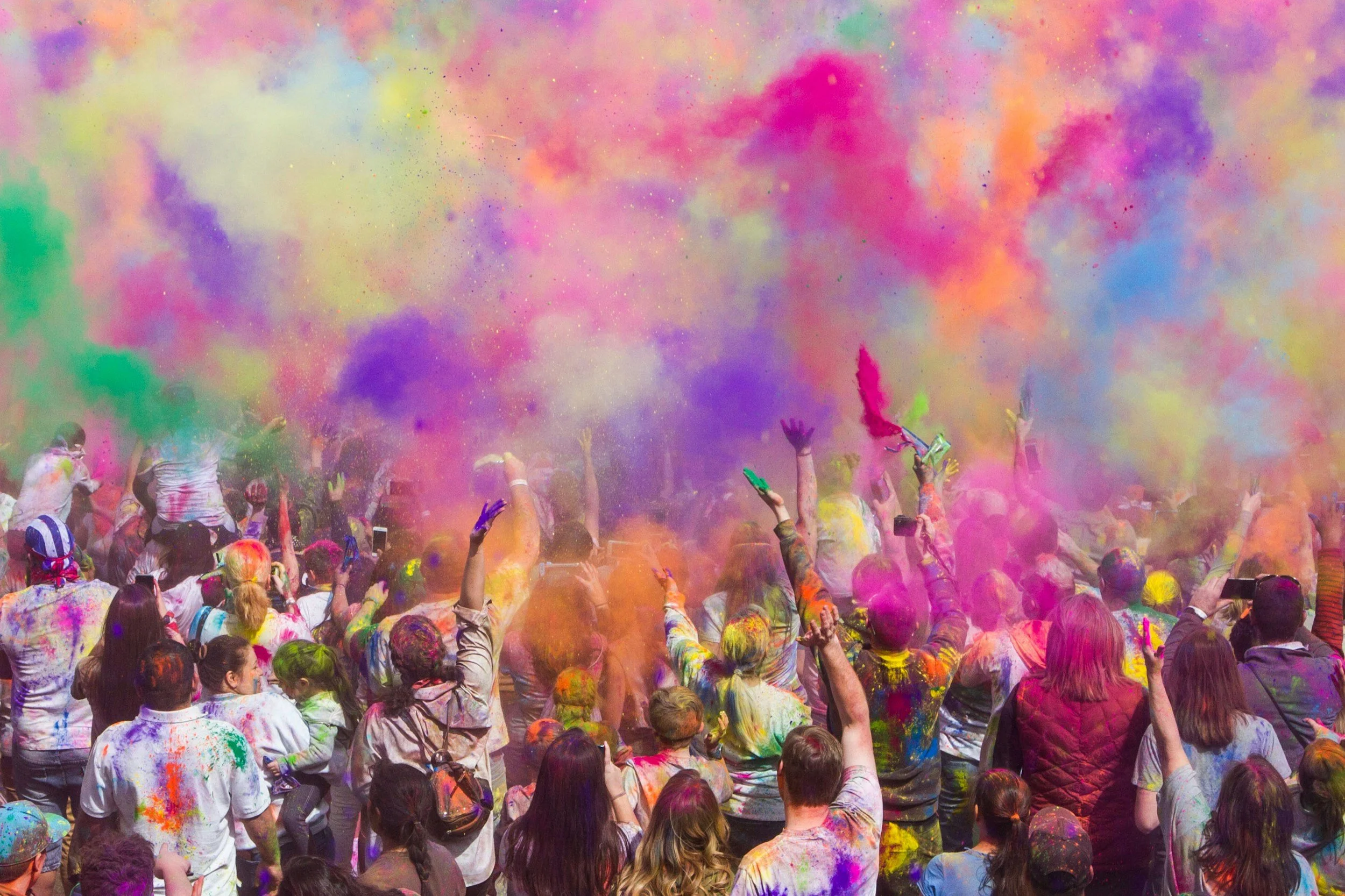
Holi 2027
Holi
The Hindu “Festival of Colours” celebrates the arrival of spring and the victory of good over evil. Known for joyful colour-throwing and water play.
Fun Activities:
Art: Safe powdered paint play (in a supervised outdoor area). Use chalk, powdered paint, or coloured sand to create abstract or traditional art.
Make Paper Pichkaris (Water Squirters): Craft and decorate symbolic versions of Holi water guns.
DIY Colour Powders (Optional & Supervised): Make natural colours using spices like turmeric, beetroot powder, and flour.
Storytelling: Learn the story of Prahlad and Holika through storytelling or skits.
T-Shirt Decorating: Decorate white T-shirts with tie-dye or fabric paint.
Crafts: Make colourful friendship bracelets.
"Festival of Colours" Collage: Use photos, newspaper clippings, or student artwork to build a giant collaborative display.
Holi Music & Dance Party: Explore Bollywood or traditional folk music, and host a mini dance-along event.
Kindness Colour Chain: Each student writes a kind act on a strip of colourful paper and connects them to form a chain displayed in the school.
Reflection on New Beginnings: Encourage journaling or discussion on personal growth, inspired by Holi’s themes of renewal.
Holi & Nature: Discuss how Holi celebrates spring and the environment. Include nature walks or planting activities.
Whole-School Ideas:
Host a “Wear Bright Colours” day.
Share a Holi video or slideshow in assembly. Include the story of Holika and Prahlad, Holi traditions, and what the festival means to those who celebrate it.
Display student-made Holi art around the school.
Offer a sensory art activity involving colour mixing or finger painting.
A collaborative art display where each student contributes a colourful handprint or drawing.

Good Friday
Christian observance commemorating the crucifixion of Jesus Christ.
Activities:
Religious education storytelling: Learn the Easter story and its significance in Christianity.
Reflection and symbolism sessions: Explore themes of sacrifice, compassion, and forgiveness.
Art and drama activities: Create visual or dramatic interpretations of the Easter story.
Comparative religion learning: Explore themes of sacrifice and renewal across faiths.
Whole school awareness ideas:
Faith calendar awareness
Interfaith education
Cultural respect discussions
Social media ideas:
“Reflection and hope” posts
Student artwork showcases
Educational storytelling clips
Hashtags: #BeyondAllyship #GoodFriday #Easter #FaithEducation

Easter Sunday
Celebrates the resurrection of Jesus Christ and themes of renewal and hope.
Activities:
Egg symbolism workshops: Explore eggs as symbols of life and renewal across cultures.
Creative crafts: Easter gardens, storytelling dioramas, or themed art projects.
Spring science links: Study plant growth, renewal, and seasonal change.
Community celebration events: Inclusive seasonal activities respecting diverse beliefs.
Whole school awareness ideas:
Seasonal assembly themes
Cultural inclusivity discussions
Spring wellbeing focus
Social media ideas:
Spring renewal photography
Student craft showcases
“New beginnings” posts
Hashtags: #BeyondAllyship #EasterSunday #Renewal #Spring
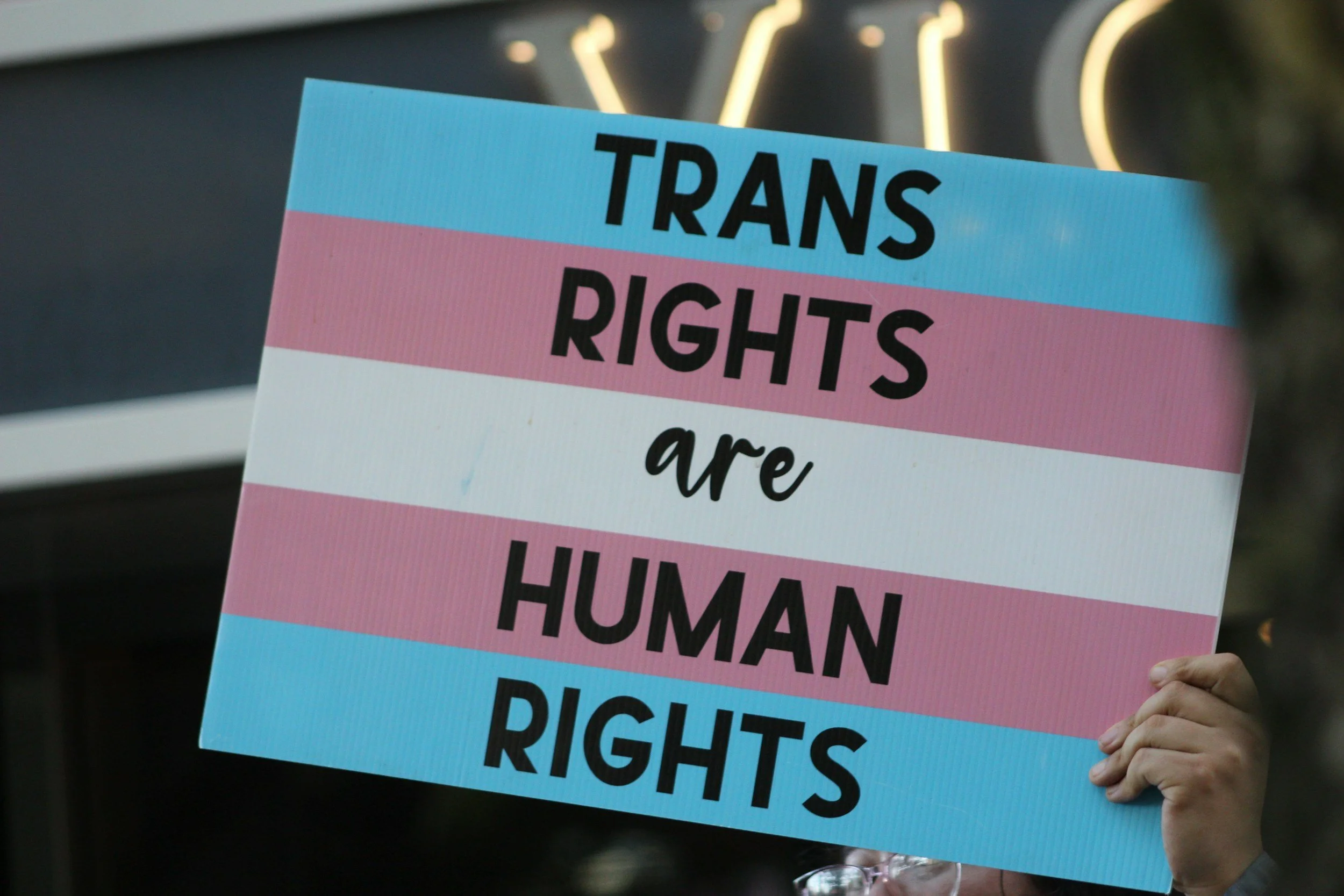
International Transgender Day of Visibility
Celebrates transgender people and raises awareness of discrimination and achievements.
Activities:
Identity and inclusion workshops: Explore gender identity respectfully through age-appropriate learning materials.
Media representation analysis: Study how trans people are represented in media and discuss impact.
Creative storytelling projects: Posters, poems, or digital art promoting inclusion and respect.
Allyship skill-building sessions: Learn how to support inclusion and challenge discrimination safely.
Whole school awareness ideas:
Inclusive policy review
Staff LGBTQ+ training
Anti-bullying and respect focus
Social media ideas:
“Visibility matters” campaign
Student allyship messages
Educational infographic series
Hashtags: #BeyondAllyship #TransVisibility #Inclusion #Respect
Autism Acceptance Month 2027
Autism Acceptance Month
Promotes inclusion and understanding of autistic individuals, focusing on embracing neurodiversity rather than simply raising awareness.
Activities:
Art: Sensory-friendly art stations or create hands-on experiences to simulate sensory differences highlighting different textures, sensory experiences e.g. wearing noise-cancelling headphones, texture boxes, visual distractions. Use this to prompt discussions “how did that make you feel?”, “what might help?”
Empathy Game: “Walk in My Shoes” empathy games
Book Display: Neurodiversity book displays and readings
Crafts: Badge-making with infinity symbols, positive messages and phrases.
Discussion: Discuss keywords/phrases like “neurodiversity”, “Neurotypical”, “
Posters: Create educational and informative posters for around school and for social media.
Quiz: Create a PowerPoint for form or posts for social media educating people on Autism and include a quiz at the end, this could be turned in to a Form time competition between different forms.
Sharing Experiences: Share stories online, in discussions or in form time of real autistic peoples experiences to deepen understanding.
Research: Research Autism and have discussions with students about the challenges faced and peoples experiences to improve understanding.
Quiet Zone: Create a quiet zone or sensory break space
School-wide Awareness:
Assembly with autistic guest speaker or advocate
Daily autism facts shared during form time
Hallway displays celebrating autistic awareness
Wear something comfortable day
World Autism Awareness Day
Promotes understanding and acceptance of autistic individuals.
Activities:
Sensory exploration stations: Safe experiences simulating sensory differences and accessibility needs.
Neurodiversity storytelling: Share books/videos and reflect on strengths-based perspectives.
Communication style workshops: Explore different communication preferences and inclusion strategies.
Creative expression outlets: Art, music, or digital media designed for sensory-friendly participation.
Whole school awareness ideas:
SEN inclusion training
Quiet spaces in schools
Neurodiversity curriculum
Social media ideas:
“Different minds matter” campaign
Student voice videos
Awareness infographics
Hashtags: #BeyondAllyship #AutismAcceptance #Neurodiversity #Inclusion
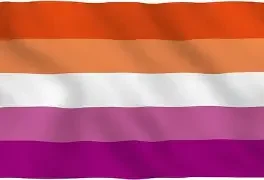
Lesbian Visibility Week
Led by Stonewall, Lesbian Visibility Week celebrates lesbian identity, raises awareness of issues faced by lesbians, and promotes inclusion and representation.
What young people, schools & community centres can do
Host inclusive storytelling or speaker events
Create “representation matters” displays in libraries or halls
Run LGBTQ+ history or awareness lessons
Art projects celebrating identity and diversity
Safe space discussions on respect and inclusion
Whole-school / organisational approaches
Review anti-bullying and inclusion policies
Staff training on LGBTQ+ inclusion and language
Ensure inclusive curriculum representation
Display visible allyship signage in school/community spaces
Establish or support LGBTQ+ student groups
Social media ideas
“Why visibility matters” student quotes
Rainbow-themed artwork showcases
Staff and student allyship messages
Hashtags:
#LesbianVisibilityWeek #LGBTQInclusion #RepresentationMatters #SafeSpaces #BeyondAllyship

Earth Day
Earth Day is a global environmental awareness day focused on climate action, biodiversity, and protecting natural ecosystems. It encourages individuals and organisations to take meaningful steps toward sustainability.
What young people, schools & community centres can do
Organise eco-themed workshops (climate change, recycling, biodiversity)
Run tree planting or pollinator garden projects
Hold “eco pledges” where students commit to one sustainable habit
Create climate art displays or poetry exhibitions
Do energy-use audits in classrooms or buildings
Whole-school / organisational approaches
Whole-school assembly on climate impact and local action
Introduce a “Green Team” or Eco Council
Review school energy policies (heating, lighting, electricity use)
Start a termly sustainability action plan
Embed climate learning across subjects (science, geography, art, English)
Social media ideas
Before/after photos of eco-projects
Student climate pledges videos
“One thing we’re changing this Earth Day…” reels
Hashtags:
#EarthDay #Climate

Deaf Awareness Week
Deaf Awareness Week aims to promote understanding and inclusion of the Deaf community.
Activities:
Lip-reading games: Students pair up; one mouths phrases while the other tries to interpret.
Learn basic sign language: Introduce common signs or the alphabet, use YouTube and learn some songs.
Silent activities: Engage in tasks without speaking to experience communication barriers.
Poster design: Create informative posters to display around school
School-wide Awareness:
Host assemblies with Deaf speakers or sign language interpreters.
Display posters highlighting Deaf culture and communication methods.
Share informative posts on social media.

Mental Health Awareness Week 2027
Mental Health Awareness Week
Focuses on the importance of mental well-being and reducing stigma.
Activities:
Mindfulness sessions: Guided breathing or meditation exercises.
Emotion journals: Encourage students to express feelings through writing or art.
Wellness walks: Promote physical activity and reflection.
School-wide Awareness:
Create a "mental health wall" with resources and positive messages.
Organise talks with mental health professionals.
International Day Against Homophobia, Transphobia and Biphobia (IDAHOBIT)
International Day Against Homophobia, Biphobia, and Transphobia
Raises awareness about discrimination faced by LGBTQ+ individuals.
Activities:
Allyship workshops: Discuss with students how to support LGBTQ+ peers.
Art projects: Create inclusive posters, poetry or flags.
Story sessions: Share experiences from LGBTQ+ individuals.
Scenario Role-Play: Create real-life school scenarios (e.g. overhearing a homophobic joke) and have students role-play how to be an ally or upstander.
“Walk in My Shoes”: Have students write out their experiences which can be read out during form by staff.
School-wide Awareness:
Display inclusive symbols and messages around the school.
Host assemblies discussing the importance of acceptance and reaffirming the schools stance and policies around anti-bullying.
Have students pledge to stand against bullying by signing a pledge sheet. Students can work on the pledge together during the weekly group.

International Day for Biological Diversity
Promotes awareness of biodiversity and environmental protection.
Activities:
Eco field studies: Investigate local habitats, species, and ecosystems.
Biodiversity mapping projects: Identify and record species in school grounds.
Sustainability workshops: Recycling, conservation, and climate impact learning.
Creative nature art: Use natural materials for eco-friendly art projects.
Whole school awareness ideas:
Eco-school initiatives
Sustainability curriculum integration
Green school projects
Social media ideas:
“Nature around us” photo series
Student eco-project highlights
Biodiversity facts campaign
Hashtags: #BeyondAllyship #BiodiversityDay #ClimateAction #Sustainability
Great Big Green Week
Great Big Green Week is the UK’s largest celebration of community climate action, bringing together schools, organisations, and local groups to showcase sustainability projects.
What young people, schools & community centres can do
Climate action fairs or eco expos
Community garden projects
Renewable energy learning sessions
Biodiversity walks and nature surveys
Student-led sustainability presentations
Whole-school / organisational approaches
Whole-school sustainability showcase event
Climate leadership group for students and staff
Embed sustainability across curriculum subjects
Green transport initiatives (walk-to-school schemes)
Long-term carbon reduction planning
Social media ideas
“Green Week highlights reel”
Student-led climate presentations
Community project showcases
Hashtags:
#GreatBigGreenWeek #ClimateActionNow #GreenCommunities #SustainableFuture #BeyondAllyship
Carers Week
Recognises unpaid carers and highlights their contributions and challenges.
Activities:
Empathy role-play sessions: Explore responsibilities and emotional challenges of caring roles.
Support mapping projects: Identify local and national support services for carers.
Creative expression workshops: Art, poetry, or storytelling about care and responsibility.
Wellbeing and resilience sessions: Focus on emotional wellbeing and support networks.
Whole school awareness ideas:
Carer-friendly school policies
Staff awareness training
Pastoral care focus
Social media ideas:
“Hidden heroes” campaign
Student appreciation posts
Awareness infographics
Hashtags: #BeyondAllyship #CarersWeek #HiddenHeroes #Support
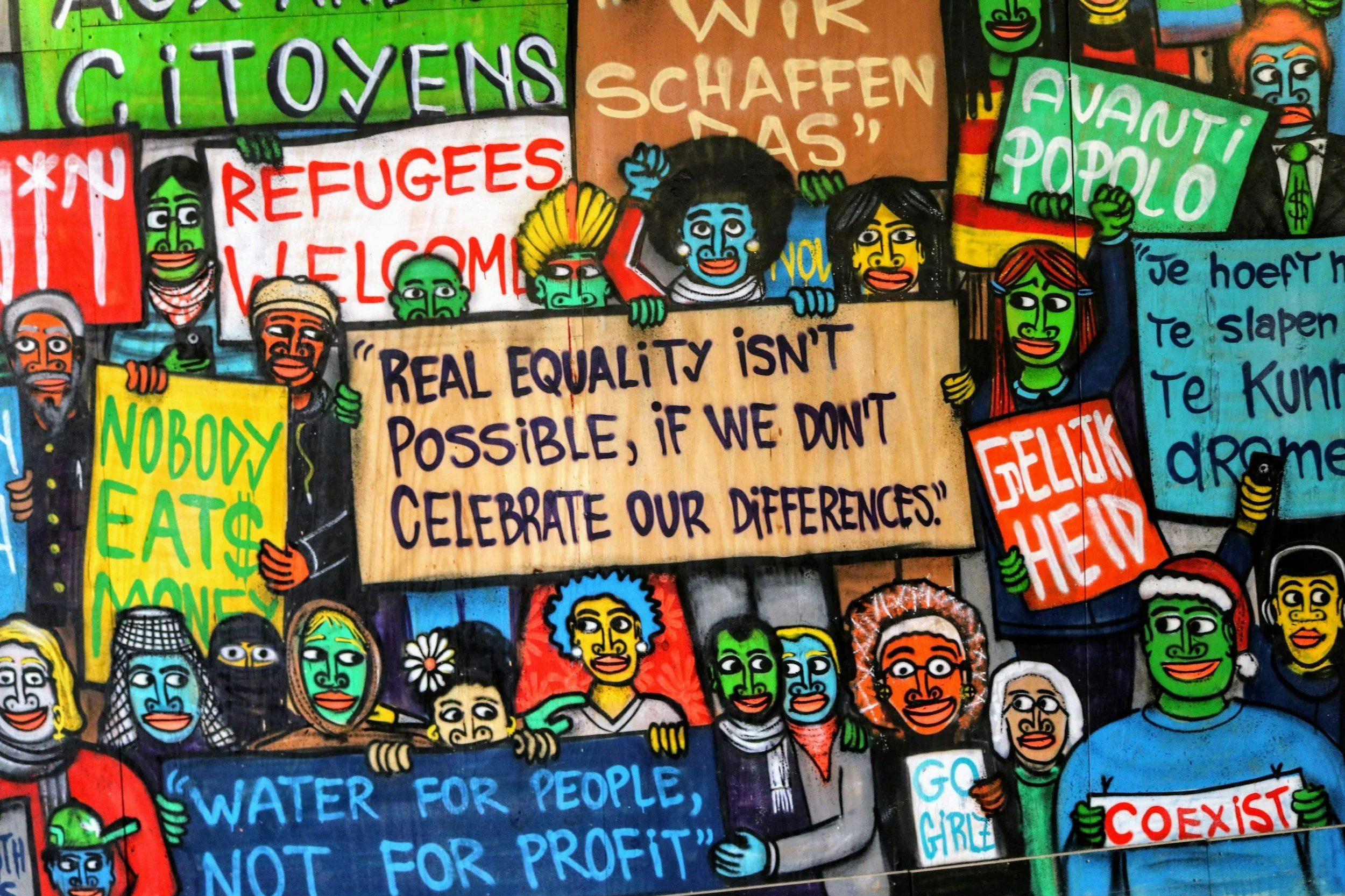
Refugee Week
Celebrates the contributions, creativity, and resilience of refugees and displaced people. International recognition of the strength, courage, and contributions of refugees.
Activities:
Journey mapping projects: Students explore fictional or real refugee journeys using maps, timelines, and storytelling to understand displacement and resilience.
Creative writing workshops: Write diaries, poems, or letters from the perspective of someone building a new life in a new country.
Cultural sharing events: Food, music, clothing, and traditions shared respectfully to highlight cultural diversity and integration.
Human rights learning stations: Rotating classroom stations covering asylum, safety, and global conflict using age-appropriate materials.
Empathy simulation lessons: Structured classroom activities exploring decision-making in crisis situations (age-appropriate and carefully guided).
Global citizenship projects: Students research countries of origin and host countries, focusing on culture, resilience, and integration.
Fundraising or solidarity events: Sponsored walks, art auctions, or charity drives supporting refugee organisations.
Guest speaker panels (where possible): Community members share lived experience to promote understanding and empathy.
Whole school awareness ideas:
Migration and human rights curriculum links
Partnerships with local refugee support organisations
Whole-school “welcome and belonging” values focus
Inclusive storytelling across subjects
Social media ideas:
“Journeys of hope” storytelling series
Student solidarity artwork posts
“One world, many stories” campaign
Quote cards from refugees and advocates
Interview clips with community voices
Hashtags: #BeyondAllyship #RefugeeWeek #StandWithRefugees #Belonging #WorldRefugeeDay #HumanRights #GlobalSolidarity
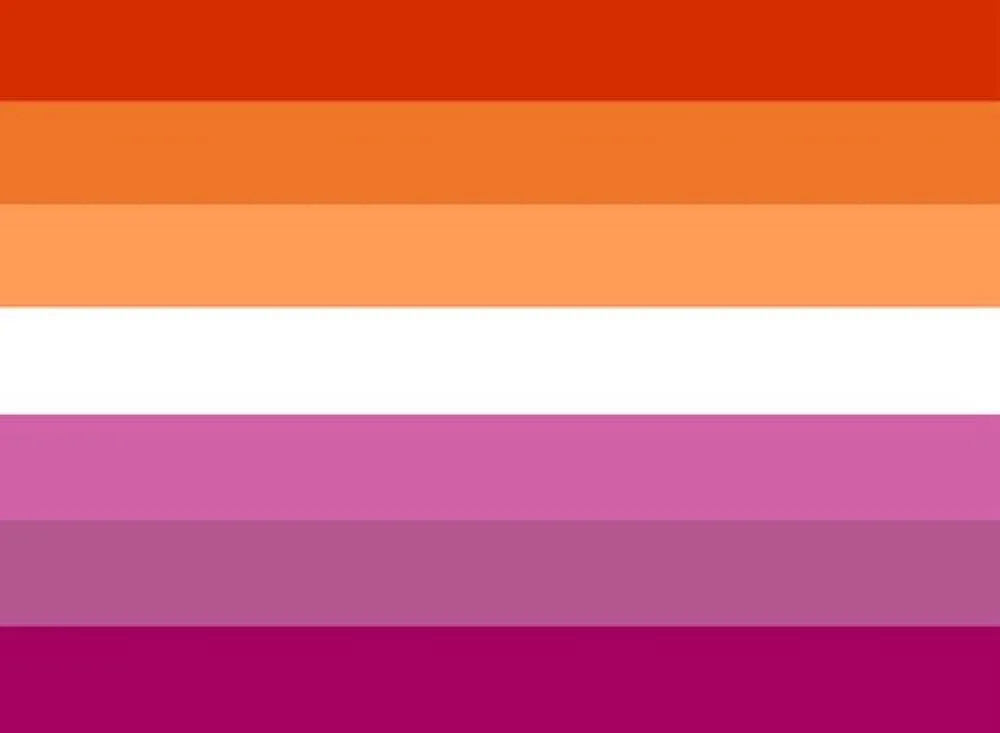
International Lesbian Day 2027
International Lesbian Day
International Lesbian Day is a day to celebrate, uplift, and raise awareness of lesbian individuals and their contributions to society. It also aims to combat stereotypes and increase visibility of lesbian voices, history, and experiences, particularly within LGBTQ+ education and communities. It’s a day for everyone to stand in solidarity with lesbians and help create inclusive spaces where all identities are respected and represented.
Activities:
Flag & Identity Art: Create posters or art using the lesbian pride flag colours (🧡 orange, 🤍 white, 💖 pink) with affirming messages or creative designs.
“Famous Lesbians Through History” Quiz or Gallery Walk: Learn about inspiring lesbians from the past and present (e.g. Audre Lorde, Clare Balding, Sappho, Hannah Gadsby).
Pride Playlist Challenge: Students curate a positive, inclusive music playlist featuring lesbian artists or LGBTQ+ anthems play these in the canteen, share online or play during enrichment.
Affirmation Hearts or Stars: Students write positive, inclusive messages and decorate them using pride colours to create a school display.
“What Makes a Great Ally?” Worksheet: Brainstorm ways to support lesbian peers and challenge stereotypes respectfully.
Whole-School Awareness Ideas:
Assembly or Video Focus: A short presentation about lesbian visibility, the importance of inclusion, and recognising diverse relationships in all communities.
Form Time Conversation Topics:
What does visibility mean, and why does it matter?
How can we create inclusive spaces in school?
What’s the difference between sexual orientation and gender identity?
Library or Display Board Feature:
Books by lesbian authors or featuring lesbian characters (age-appropriate)
Quotes, artwork, flags, and history timelines.
Pride Badge Day: Students design badges or stickers that reflect support for lesbians or LGBTQ+ visibility.
Dress in Pride Colours Day: Wear orange, white, and pink to show solidarity and spark conversation.
Social Media Ideas:
Flag & History Spotlight: Share the meaning of the lesbian pride flag and its colours.
Student-Created Art or Quotes: Post art, affirmations, or messages created by students.
“Trailblazers” Carousel Post: Highlight well-known lesbians in sports, music, politics, literature, and activism.
Ally Quotes: Staff or student voices sharing why inclusion matters or how they support lesbian friends/peers.
Myth vs Fact Slides: Clear up common misconceptions about lesbian identities with respectful, factual slides.
Hashtags to Use:
#InternationalLesbianDay
#LesbianVisibility
#PrideInSchool
#InclusionMatters
#LGBTQHistory
#PrideEveryDay
World Suicide Prevention Day 2026
World Suicide Prevention Day
Focuses on raising awareness about suicide prevention.
Activities:
Mental health workshops: Teach coping strategies and resilience.
Support circles: Provide spaces for open discussions. Have students write down or draw people and places they can go for help when feeling overwhelmed.
Resource sharing: Distribute information on where to seek help.
Kindness Jars: Have students write anonymous messages of encouragement, survival or hope on slips of paper. These can be left in form rooms for students to read when needed.
Gym Access: Open the gym after school and invite students to build health habits
Learn A New Skill: Learning a new skill can be a great coping strategy so ask staff if they can share any skills with students during the group.
Awareness assembly – Provide age-appropriate information about mental health, recognising when someone may be struggling and how to seek support.
“Talk, Ask, Listen” campaign – Encourage people to check in with others and create a culture where asking for help is normal.
Wellbeing workshops – Run sessions on emotional wellbeing, coping strategies, resilience and looking after yourself.
Peer support activities – Train or promote appropriate peer-support opportunities, with clear boundaries and adult safeguarding support.
Kindness campaign – Encourage small acts of kindness and checking in with friends, colleagues and classmates.
Mental health information stands – Provide accessible information about local and national support services.
“You are not alone” display – Create a positive display focused on connection, support and reaching out.
Hope wall – Invite people to contribute positive messages, things that give them hope or reminders that difficult feelings can change.
Message of support cards – Create cards with encouraging messages that can be shared appropriately.
Listening spaces – Provide supervised, confidential spaces where people can talk to an appropriate member of staff.
Student or employee stories – Where appropriate and with informed consent, share positive stories about recovery, hope and seeking support.
Training for young people – Teach young people how to recognise when a friend might need help and how to involve a trusted adult rather than trying to manage the situation themselves.
School-wide Awareness:
Moment of silence to honour lives lost.
Display helpline numbers and support services
Share information and organisations on social media
Breakfast Morning: Invite students in for a hot chocolate or board games morning to encourage open conversations, connection and support in a relaxed setting. While suicide affects people of all genders, research shows that men are at a higher risk, often due to stigma around speaking up or seeking help. This breakfast would be an opportunity to show that no one is alone, and that it's okay to talk and lean on one another. Consider having staff or local organisations come in to offer support and informal chats with students. Also consider having groups with conversation cards to prompt discussions amongst the students.
Introduce a letter box or advertise any current services where students can report concerns relating to mental health
Social media posts sharing mental health organisations.
Staff wellbeing session – Provide staff with guidance on recognising concerns, responding appropriately and signposting people to support.
* Mental health first aid awareness – Offer training or information about how to respond when someone may be experiencing a mental health crisis.
Whole-school or organisation pledge – Commit to creating a culture where people feel able to speak openly about mental health and ask for help.
Review support pathways – Make sure students, staff and families know exactly who they can approach and how to access support.
Zero Waste Week
Zero Waste Week encourages people to reduce landfill waste by rethinking consumption habits and prioritising reuse, repair, and recycling.
What young people, schools & community centres can do
Waste-free lunch challenges
Repair cafés (fix broken items instead of throwing away)
Swap shops (books, clothes, stationery)
Composting initiatives
Plastic-free classroom challenges
Zero-Waste Art Competition – Create artwork using materials that would otherwise be thrown away.
Seed Planting Activity – Reuse containers as plant pots and grow herbs, flowers or vegetables.
Borrow, Don’t Buy Campaign – Create a system for sharing books, equipment, tools or other useful items.
Zero-Waste Pledge Wall – Ask everyone to write one action they will take to reduce waste.
Create a board where people can offer unwanted items for others to reuse.
Whole-school / organisational approaches
Audit school waste streams (food, packaging, paper)
Introduce reusable-only policies for events
Reduce printing and move to digital systems where possible
Partner with local recycling or sustainability organisations
Long-term waste reduction strategy with targets
Social media ideas
“My waste-free day” student diaries
Classroom waste audits visuals
Repair café success stories
Hashtags:
#ZeroWasteWeek #WasteLessLiveMore #ReuseReimagine #EcoSchools #BeyondAllyship
International Day of Charity
Promotes charitable work and global solidarity through giving and volunteering.
Activities:
School charity fair: Students run stalls to raise money for selected causes, learning budgeting and teamwork.
Kindness challenge week: Daily acts of kindness tracked and reflected on through journals or class discussions.
Service learning projects: Students identify a local need (food banks, shelters) and create action plans to support it.
Charity awareness research: Explore how charities operate, funding, and global impact through presentations.
Charity marketplace – Students create products such as artwork, crafts, bookmarks, friendship bracelets or baked goods and sell them to raise money.
Charity art exhibition – Students create artwork based around themes such as kindness, equality, community, giving or making a difference.
Sponsored silence – Students raise sponsorship by taking part in a set period of silence, with the money going to a chosen charity.
Sponsored steps challenge – Classes compete to achieve the highest number of steps over a week while raising sponsorship.
Class fundraising competition – Each class chooses a charity and competes to raise the most money, with progress displayed around school.
Charity quiz – Run a quiz covering charities, humanitarian issues, world cultures, famous charitable initiatives and general knowledge.
Donation drive – Collect specific useful items for a local food bank, shelter, community centre or other organisation.
Charity concert – Students and staff perform and raise money through ticket sales or donations
Community clean-up – Organise a litter pick or environmental clean-up and link it to a local environmental charity.
Whole school awareness ideas:
Whole-school volunteering programme
Charity partnerships and sponsorships
Values-based education focus on empathy
Social media ideas:
“Acts of kindness” reels
Fundraising progress updates
Student-led giving stories
Hashtags: #BeyondAllyship #CharityDay #KindnessMatters #GiveBack
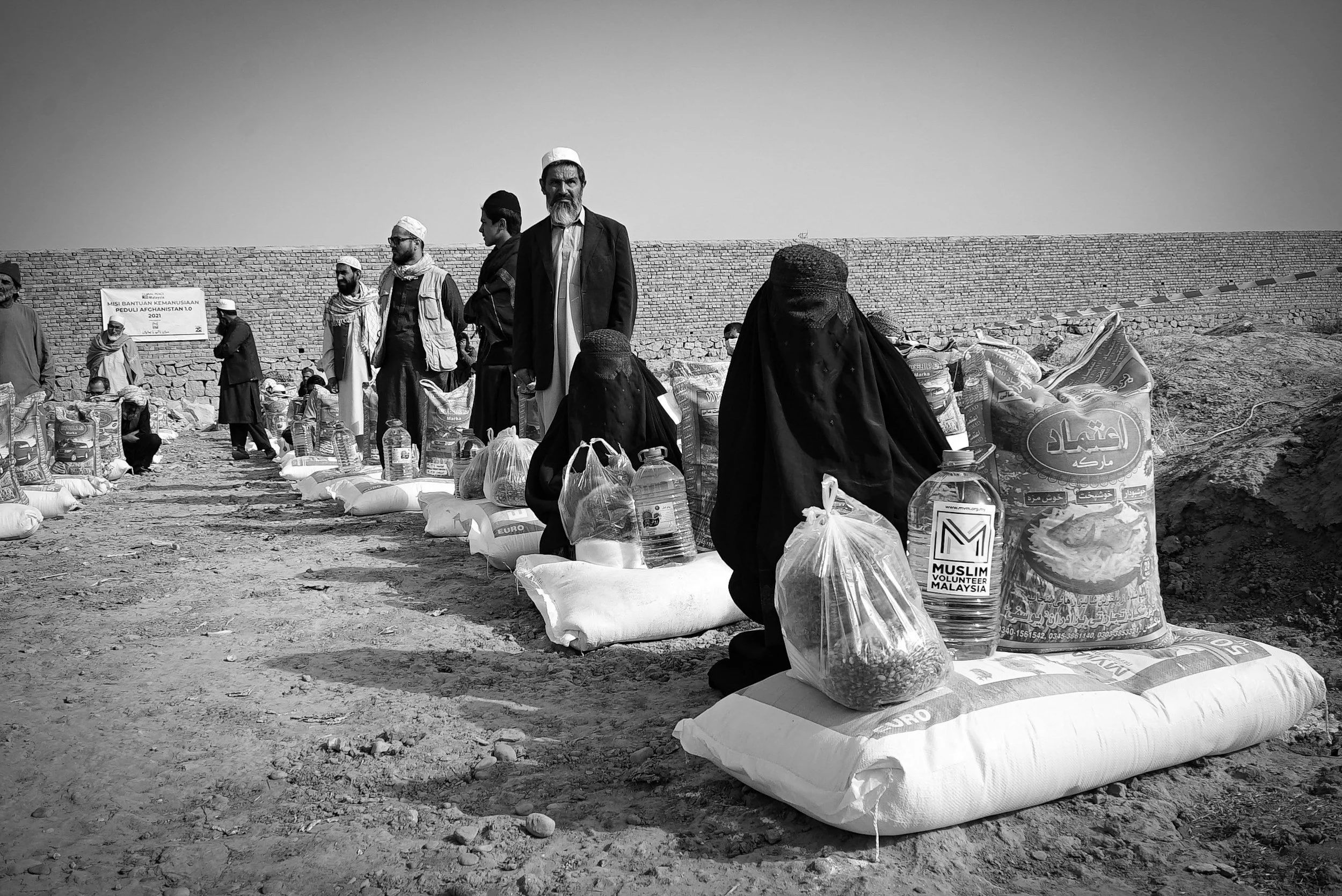
World Humanitarian Day
Honours humanitarian workers and raises awareness of global crises and aid efforts.
Activities:
Humanitarian role-play scenarios: Students work through simulated disaster-response planning to understand logistics and cooperation.
Global crisis case studies: Age-appropriate study of humanitarian emergencies and relief efforts.
Skills for aid workshops: First aid basics, communication in crisis, and teamwork exercises.
Advocacy project creation: Students design posters or campaigns supporting humanitarian organisations.
Whole school awareness ideas:
Global citizenship curriculum integration
Partnerships with humanitarian charities
Emergency preparedness education
Social media ideas:
“Heroes of humanity” spotlight series
Awareness storytelling reels
Student advocacy posts
Hashtags: #BeyondAllyship #HumanitarianDay #GlobalSolidarity #HelpHumanity
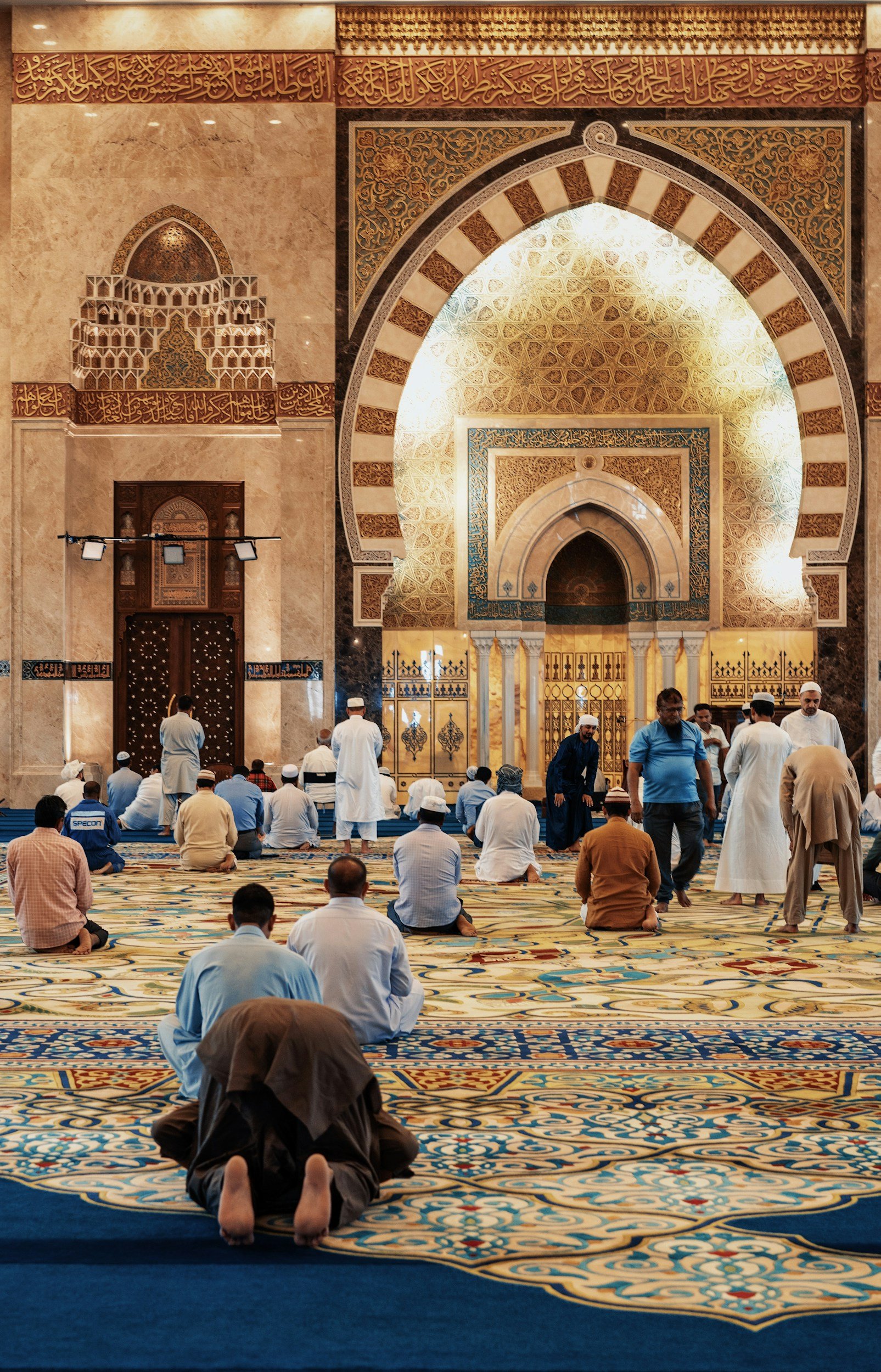
Rabi’ al-Awwal
Expected Thursday 13th August - Friday 14th August depending on the sighting of the new moon. A significant Islamic month often associated with reflection on the life and teachings of the Prophet Muhammad.
Activities:
Seerah storytelling circles: Learn key stories from the Prophet’s life through age-appropriate narratives and discussion.
Character education links: Focus on values such as honesty, kindness, and community service through scenario-based learning.
Creative expression projects: Students create posters, timelines, or illustrated storybooks about historical learning.
Reflection and gratitude journals: Encourage students to reflect on kindness and positive actions in daily life.
Whole school awareness ideas:
Faith and worldview education across curriculum
Inclusive religious literacy assemblies
Respect and values-based school culture focus
Social media ideas:
“Peace and reflection” posts
Student learning reflections
Cultural awareness reels
Hashtags: #BeyondAllyship #RabiAlAwwal #IslamicHeritage #Peace

International Non-Binary Persons Day
International Non-Binary Persons Day
This day celebrates people whose gender identity doesn’t fit within the traditional binary of male or female. It’s a time to raise awareness about non-binary identities, affirm and support non-binary individuals, and promote understanding and inclusion. The date 14 July falls exactly between International Women’s Day (8 March) and International Men’s Day (19 November), symbolising the spectrum beyond the binary.
Activities:
Design a Flag: Create flags or badges using the non-binary colours (yellow, white, purple, black) with empowering messages or identity symbols.
"Beyond the Binary" Poster Challenge: Illustrate or design posters that explore and explain the concept of non-binary identities.
Pronoun Button Making: Use stickers or badge templates to make personalised pronoun buttons or stickers.
Genderbread Person Activity: Use the popular “Genderbread Person” graphic to explore the differences between gender identity, gender expression, and sex.
Affirmation Station: Create or decorate cards with phrases like “You are valid,” “Be proud of who you are,” or “All identities belong.”
Identity & language workshops: Explore gender identity terms, respectful language, and pronouns through guided discussion cards and scenario-based role play.
Creative expression projects: Students design posters, zines, or digital art exploring identity beyond binaries (safe, inclusive framing).
Story & lived experience learning: Use curated videos/books featuring non-binary voices followed by reflective journaling or group discussion.
Inclusive debate sessions: “Why does language matter?” structured debates focusing on respect and inclusion.
School-wide Awareness:
Mini Assembly or Video Spotlight: Share stories, experiences, or interviews of non-binary people (age-appropriate) to build empathy and awareness.
Form Time Topic: Discussion on what it means to be non-binary, and why representation and respect matter. Include myth-busting questions.
Display Board: Feature the non-binary flag, identity definitions, quotes from non-binary individuals, and student artwork.
Inclusive Language Posters: Promote phrases like “everyone,” “they/them,” and “students” to replace gendered terms in everyday school talk.
Dress in Non-Binary Colours Day: Invite students and staff to wear yellow, white, purple, or black to show solidarity.
Book Display: Include books featuring non-binary characters or authors (like “They, She, He, Me: Free to Be!” or “Felix Ever After” for older readers).
Staff training on gender inclusion
Updating forms to include gender options
Inclusive language assemblies
Social Media:
Student-Created Graphics: Share student art, flag designs, or digital posters made for the day.
“Did You Know?” Posts: Daily facts leading up to 14 July—e.g. “Did you know some cultures have long recognised more than two genders?”
Staff & Student Shoutouts: Anonymous or volunteered quotes from the school community about what gender diversity or being an ally means to them.
Terminology Carousel: Posts explaining terms like non-binary, genderfluid, agender, etc., in a clear, respectful way.
Affirmation Quotes: Share one affirmation or positive message every hour (or a few throughout the day).
Reel or Story Template: “I’m an ally because…” – students and staff fill in their answer with a selfie or message.
“My pronouns matter” campaign
Student-created identity posters
Q&A myth-busting reels
Hashtags: #BeyondAllyship #NonBinaryDay #GenderDiversity #InclusiveSchools
Pride in Halton 2026
It all begins with an idea. Maybe you want to launch a business. Maybe you want to turn a hobby into something more. Or maybe you have a creative project to share with the world. Whatever it is, the way you tell your story online can make all the difference.
Men’s Health Week
Men’s Health Week
Men’s Health Week raises awareness of the unique mental health challenges faced by boys and men. It aims to reduce stigma around expressing emotions, encourages open conversations, and promotes healthy coping strategies. In schools, it’s an opportunity to teach all students that mental health affects everyone, and that asking for help is a strength, not a weakness.
Activities:
“It’s Okay to Talk” Wall: Students write messages to break the stigma (e.g., “Real men cry,” “Talking is brave”) on speech bubbles or hand shapes.
Positive Male Role Models Gallery: Students research and present on male figures (past or present) who have spoken out about mental health (e.g. Prince Harry, Stormzy, Tyson Fury).
Self-Care Bingo: Create a bingo card with healthy habits (e.g., drink water, talk to a friend, get fresh air) and challenge students to complete a row.
“How I Cope” Mind Map: Students list things that help them manage stress and improve wellbeing.
Create a Safe Space: Set up a calm room at lunch or break with journaling prompts, mindful colouring, quiet music, or positive books.
Whole-School Awareness Ideas:
Assembly or Video Presentation: Cover topics like breaking stereotypes, emotions aren’t gendered, and where to get help. Include real-life examples of men who’ve overcome mental health challenges.
Form Time Discussion Questions:
Why do some boys/men feel pressure to “tough it out”?
How can we support friends who are struggling?
What does healthy masculinity look like?
Display Board: Include student art, quotes, key facts, and mental health resources tailored for boys and young men.
Wear Blue Day: A visual way for the whole school to show solidarity.
Staff Shoutouts: Highlight male staff sharing what they do for their own wellbeing.
Social Media Ideas:
“It’s Okay to…” Graphic Series:
“It’s okay to cry.”
“It’s okay to ask for help.”
“It’s okay to not be okay.”Student Voice Quotes: Anonymous messages about why mental health matters to boys and young men.
Awareness Video or Reel: Showcase activities in school with supportive messages and affirmations.
Myth vs Fact Posts: Tackle common myths like “Men don’t get depressed” or “Talking makes it worse.”
Highlight Support Services: Share helplines, apps, or in-school resources specifically for boys/men.
Hashtags to Use:
#MensMentalHealth
#ItsOkayToTalk
#BoysGetSadToo
#StrongNotSilent
#MentalHealthAwareness
#SupportEachOther
Pride Month
Pride Month
Pride Month celebrates the LGBTQ+ community—its history, diversity, resilience, and ongoing struggle for equality. It began in honour of the Stonewall Uprising of 1969, and has grown into a global celebration of identity, love, and human rights. Pride is also a time to reflect on issues still faced by LGBTQ+ individuals, and to foster allyship and inclusion in all spaces—including schools.
Activities:
Pride Flag Crafts: Make your own rainbow flags, badges, or mini bunting.
Create Your Identity Poster: A creative activity where students illustrate things that make them them (including, but not limited to, gender or orientation).
Allyship Bracelets: Make rainbow or colour-coded bracelets that show support and solidarity.
LGBTQ+ Gallery: Research and create posters about LGBTQ+ role models in history, science, sports, and the arts.
"Pronoun Pins" or Stickers: Let students design their own pronoun badges with affirming messages or symbols.
Placards: Make your own Pride March Placards
Crafts: Create your own jewellery, keyrings, flags inspired by pride flags
School-wide Awareness:
Pride-Themed Assembly: Focus on the history of Pride, LGBTQ+ achievements, and the importance of inclusion.
Pride Wall or Display: Featuring Pride flags, student artwork, affirmations, quotes, or messages of allyship.
Form Time Focuses:
Week 1: History of Pride & Stonewall
Week 2: What is an Ally?
Week 3: LGBTQ+ Representation in Media
Week 4: Understanding Identity (gender, orientation, pronouns)
Dress in Colour Day: Each year group wears a different colour of the rainbow for a whole-school display.
Book Corner or Library Display: Featuring LGBTQ+ authors and characters (age-appropriate for all key stages).
Social Media Takeover: Share student-created Pride graphics, stories, or facts throughout the month.
Community Collaboration: Partner with local organisations (like youth LGBTQ+ groups or charities) to host workshops or Q&A sessions.
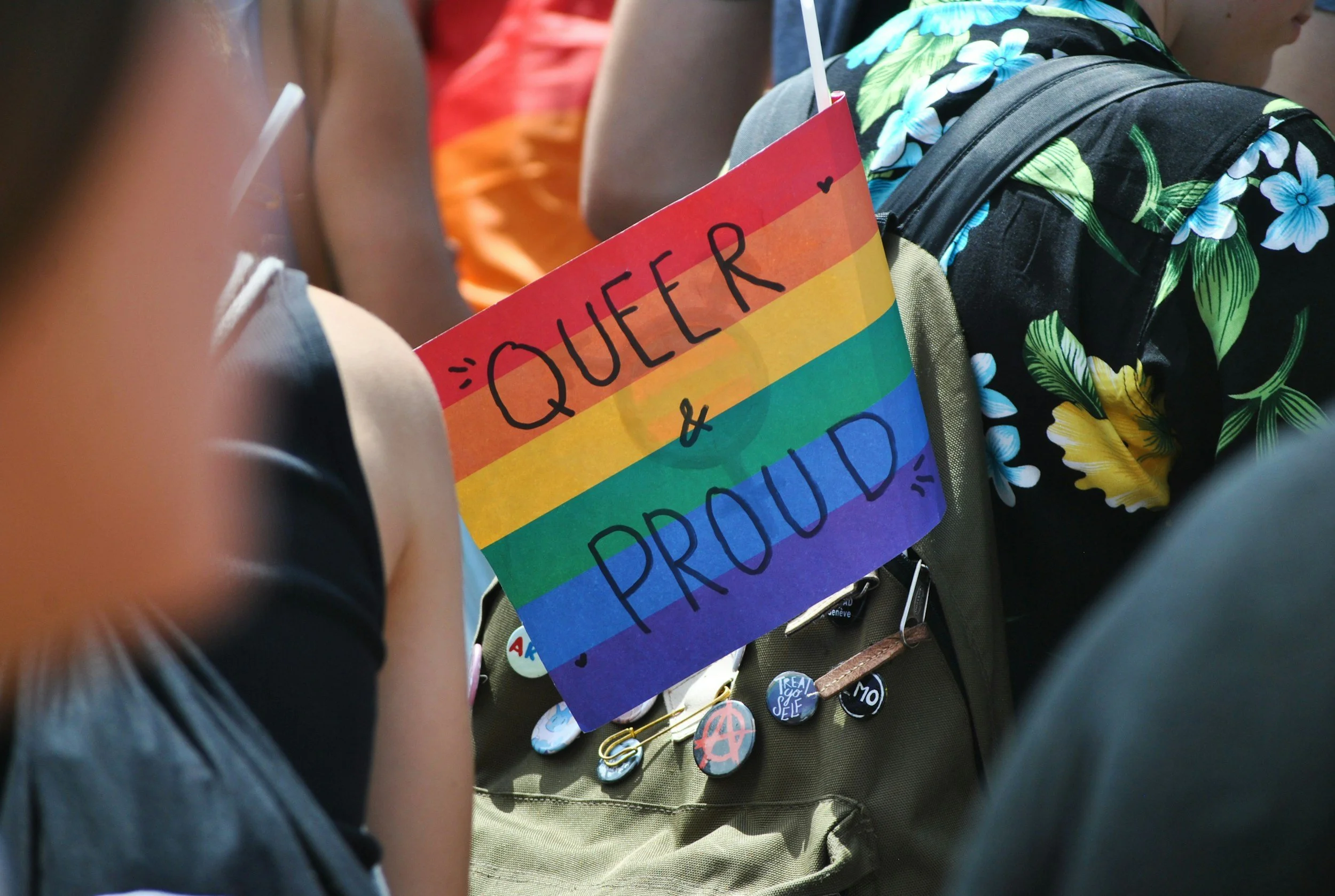
International Day Against Homophobia, Biphobia & Transphobia
International Day Against Homophobia, Biphobia & Transphobia
IDAHOBIT is observed annually on 17th May to raise awareness of the discrimination and violence faced by LGBTQ+ people around the world. The date commemorates the World Health Organisation’s decision to declassify homosexuality as a mental disorder in 1990. It’s a day for promoting inclusion, celebrating LGBTQ+ identities, and standing up against hate and stigma.
Activities:
“Ally Action Cards”: Students create small cards with messages of support for the LGBTQ+ community, such as “You are loved,” “Love is love,” or “Be proud of who you are.”
Rainbow Bracelet or Badge Making: Use the rainbow or trans/non-binary flag colours to create supportive symbols students can wear.
LGBTQ+ Flag Hunt: Hide mini pride flags around the school with fun facts or ally tips attached.
“What Is an Ally?” Workshop: Explore what it means to be an ally, using case studies or role-play to discuss real-life scenarios.
“Pride Heroes” Research Activity: Students choose and research LGBTQ+ figures (e.g., Marsha P. Johnson, Alan Turing, Lil Nas X, Laverne Cox), then create mini posters or fact files.
Walk in my shoes: have students write out their experiences which ca be read out during form or shared online
Whole-School Awareness Ideas:
Assembly or Video Presentation: Cover what homophobia, biphobia, and transphobia are, why IDAHOBIT exists, and how everyone can help create a safer, more inclusive world.
Form Time Discussion Topics:
Why is representation important?
How do words and actions affect others?
What should I do if I hear or see something hurtful?
Display Board: Showcase pride flags, student art, inspiring quotes, and myth-busting facts to raise awareness and promote allyship.
Wear Rainbow Day: Encourage staff and students to wear rainbow colours as a show of solidarity.
Kindness & Pronoun Respect Campaign: Promote inclusive language and respecting everyone’s identity and pronouns.
Social Media Ideas:
Flag Education Posts: Explain the different pride flags (e.g., bisexual, transgender, non-binary).
“Did You Know?” Carousel:
Share facts about LGBTQ+ history
The importance of IDAHOBIT
Real-world impact of discrimination
Ally Quotes or Affirmations:
“Everyone deserves to feel safe.”
“Being an ally starts with listening.”
“Silence helps hate—speak up.”Student-Created Art or Messages: Feature anonymised artwork or quotes from students promoting love, respect, and inclusion.
Hashtags to Use:
#IDAHOBIT
#LoveIsLove
#LGBTQInclusion
#NoToHate
#PrideInSchool
#BeAnAlly
Mental Health Awareness Week
Mental Health Awareness Week
Focuses on the importance of mental well-being and reducing stigma.
Activities:
Mindfulness sessions: Guided breathing or meditation exercises.
Emotion journals: Encourage students to express feelings through writing or art.
Wellness walks: Promote physical activity and reflection.
School-wide Awareness:
Create a "mental health wall" with resources and positive messages.
Organise talks with mental health professionals.
Autism Acceptance Month
Autism Acceptance Month
Promotes inclusion and understanding of autistic individuals, focusing on embracing neurodiversity rather than simply raising awareness.
Activities:
Art: Sensory-friendly art stations or create hands-on experiences to simulate sensory differences highlighting different textures, sensory experiences e.g. wearing noise-cancelling headphones, texture boxes, visual distractions. Use this to prompt discussions “how did that make you feel?”, “what might help?”
Empathy Game: “Walk in My Shoes” empathy games
Book Display: Neurodiversity book displays and readings
Crafts: Badge-making with infinity symbols, positive messages and phrases.
Discussion: Discuss keywords/phrases like “neurodiversity”, “Neurotypical”, “
Posters: Create educational and informative posters for around school and for social media.
Quiz: Create a PowerPoint for form or posts for social media educating people on Autism and include a quiz at the end, this could be turned in to a Form time competition between different forms.
Sharing Experiences: Share stories online, in discussions or in form time of real autistic peoples experiences to deepen understanding.
Research: Research Autism and have discussions with students about the challenges faced and peoples experiences to improve understanding.
Quiet Zone: Create a quiet zone or sensory break space
School-wide Awareness:
Assembly with autistic guest speaker or advocate
Daily autism facts shared during form time
Hallway displays celebrating autistic awareness
Wear something comfortable day
Eid al-Fitr
Eid al-Fitr (End of Ramadan)
Eid al-Fitr marks the end of Ramadan, celebrating the end of the fast with prayer, food, and giving to charity. Eid al-Adha commemorates the willingness of Ibrahim to sacrifice for his faith.
Fun Activities:
Eid Greeting Cards: Design and decorate cards with “Eid Mubarak” and personal messages.
Crescent Moon & Star Crafts: Use foil, glitter, or coloured paper to create symbolic decorations.
Henna Art (Paper or Templates): Use stencils or draw henna-style patterns on paper hands.
Eid Gift Boxes: Make small paper boxes and decorate them, symbolising the giving of Eid presents.
Islamic Geometric Art: Explore symmetry and design patterns with rulers, compasses, or stencils.
Write an Eid Story: Create a short story or comic strip showing how a family celebrates Eid.
Eid Around the World: Research how Eid is celebrated in different countries—compare traditions, food, and clothing.
Arabic Name Art: Write names or Eid greetings in Arabic calligraphy using templates or guidance.
Create a Charity Poster: Educate others on the importance of zakat (charity) and what it supports.
Guess the Sweet Game: Explore traditional Eid treats like dates, maamoul, or baklava and do a blind-tasting or quiz.
Eid Playlist: Play traditional or modern celebratory music from different countries during break or lunchtime.
“Who Inspires You?” Board: Celebrate role models from Muslim communities past and present.
Whole-School Ideas:
Eid celebration lunch or treat day.
School-wide “Eid Mubarak” wall with student messages.
Assembly or video presentation explaining Eid traditions.
Highlight how students in different cultures celebrate Eid.
Collect items or funds for a local food bank or global aid organisation, tying into zakat.
British Sign Language Week
British Sign Language Week
Promotes the use and understanding of British Sign Language.
Activities:
Sign language classes: Teach basic BSL signs.
Interactive games: Use BSL in fun activities such as using flashcards with BSL on one side and their English word on the other.
Storytelling: Share stories using sign language
Lip-reading games: Students pair up; one mouths phrases while the other tries to interpret.
Silent Activities: Engage in tasks without speaking to experience communication barriers.
Poster Design: Create informative posters to display around school
Social Media: Students record themselves signing short messages, sharing a sign of the day or use YouTube to learn songs.
School-wide Awareness:
Host assemblies featuring BSL interpreters.
Display BSL alphabets and common phrases around the school.
Form tutors to spend some time learning basic signs like “hello”, “thank you” or teach the BSL alphabet.
Holi
Holi
The Hindu “Festival of Colours” celebrates the arrival of spring and the victory of good over evil. Known for joyful colour-throwing and water play.
Fun Activities:
Art: Safe powdered paint play (in a supervised outdoor area). Use chalk, powdered paint, or coloured sand to create abstract or traditional art.
Make Paper Pichkaris (Water Squirters): Craft and decorate symbolic versions of Holi water guns.
DIY Colour Powders (Optional & Supervised): Make natural colours using spices like turmeric, beetroot powder, and flour.
Storytelling: Learn the story of Prahlad and Holika through storytelling or skits.
T-Shirt Decorating: Decorate white T-shirts with tie-dye or fabric paint.
Crafts: Make colourful friendship bracelets.
"Festival of Colours" Collage: Use photos, newspaper clippings, or student artwork to build a giant collaborative display.
Holi Music & Dance Party: Explore Bollywood or traditional folk music, and host a mini dance-along event.
Kindness Colour Chain: Each student writes a kind act on a strip of colourful paper and connects them to form a chain displayed in the school.
Reflection on New Beginnings: Encourage journaling or discussion on personal growth, inspired by Holi’s themes of renewal.
Holi & Nature: Discuss how Holi celebrates spring and the environment. Include nature walks or planting activities.
Whole-School Ideas:
Host a “Wear Bright Colours” day.
Share a Holi video or slideshow in assembly. Include the story of Holika and Prahlad, Holi traditions, and what the festival means to those who celebrate it.
Display student-made Holi art around the school.
Offer a sensory art activity involving colour mixing or finger painting.
A collaborative art display where each student contributes a colourful handprint or drawing.
Zero Discrimination Day
Zero Discrimination Day
Zero Discrimination Day, observed on 1st March, is a global celebration of everyone’s right to live with dignity regardless of their age, gender, race, sexuality, health status, disability, income, or background. This day encourages all of us to challenge prejudice, promote inclusion, and stand up against discrimination in any form.
Activities:
Butterfly of Acceptance Activity: Each student decorates a paper butterfly with a positive message about equality, inclusion, or kindness. Display them in a central area.
“What Makes Me Unique?” Activity: Students share something unique about themselves and what they’re proud of. Use these to build a classroom collage or display.
Inclusion Bingo: Create a bingo card with inclusive behaviours like “Helped someone feel welcome” or “Listened without judging.”
Role-Play Scenarios: Small groups act out situations involving discrimination and discuss ways to respond positively and respectfully.
Badge or Poster Making: Design school-wide visuals that promote inclusion and celebrate differences.
Whole-School Awareness Ideas:
Wear Bright Colours Day: Invite students and staff to wear vibrant colours to represent diversity and unity.
Assembly or Form Time Talk: Cover what discrimination is, how it affects people, and how to be an ally in everyday life.
Kindness & Inclusion Wall: Students write anonymous compliments or supportive messages for others in the school.
Zero Discrimination Pledge Tree: Students write pledges on leaves, like “I will treat others with respect” or “I will speak up if I see unfair treatment.”
Link with Curriculum:
PSHE: Focus on discrimination, stereotypes, and inclusion.
English: Explore literature featuring diverse voices or social justice themes.
Art: Create visuals that celebrate identity and diversity.
Social Media Ideas:
Butterfly Symbol Posts: Share digital butterfly graphics with affirming quotes (e.g., “Everyone has the right to be treated equally.”).
#ZeroDiscriminationDay Challenge: Invite students to post or comment one way they promote inclusion in school or online.
Student Voice Quotes: “What does zero discrimination mean to you?”—create shareable quote cards.
Myth-Busting Carousel: Tackle common misconceptions about identity, disability, or discrimination.
Hashtags to Use:
#ZeroDiscriminationDay
#CelebrateDiversity
#NoPlaceForHate
#InclusionMatters
#EqualityForAll
#BeAnAlly
Chinese New Year
Chinese New Year (Lunar New Year - Year of the Horse)
Also known as Spring Festival, it celebrates the start of the lunar new year with traditions like red decorations, lanterns, fireworks, and family meals.
Fun Activities:
Paper Lanterns: Create traditional red and gold lanterns to decorate classrooms.
Chinese Horse Puppets: Use paper, fabric, or recycled materials to make your own Horse designs.
Zodiac Animal Masks or Headbands: Students create and wear the animal of the current year (Year of the Horse).
Paper-Cut Art: Simple symmetrical designs using red paper to symbolise luck.
Firework Art: Use straws or paintbrushes to create vibrant firework scenes.
Zodiac Animal Storytelling: Learn the legend of the Great Race and how the zodiac animals were chosen.
Write Wishes or Poems: Write New Year wishes or short poems in English or translated into Mandarin (with support).
Mandarin Language Challenge: Learn to say “Happy New Year” (新年快乐 – Xīnnián kuàilè) and other simple greetings.
Tasting Table: Try symbolic foods like dumplings, spring rolls, oranges, and fortune cookies.
Chopstick Challenge: Fun (non-food) games using chopsticks, like moving cotton balls or pom-poms from one bowl to another.
Whole-School Ideas:
Assembly on the meaning and customs of Chinese New Year.
Red and gold-themed dress-up day.
School display of zodiac signs with student birthdays.
Chinese New Year trivia quiz during form time.
Students write kind messages or goals for the new year and place them in paper hongbao envelopes.
Ramadan
Ramadan
A holy month in Islam focused on fasting from dawn to sunset, prayer, reflection, and community. It culminates in Eid al-Fitr.
Fun Activities:
Ramadan Lanterns (Fanous): Make paper lanterns and hang them in classrooms or hallways.
Crescent & Star Crafts: Symbolic Ramadan decorations made with foil, card, or recycled materials.
Ramadan Countdown Calendar: Each day includes a good deed or reflection prompt.
Create a Ramadan Journal: Students write reflections, gratitude lists, or questions they’d like to explore.
Ramadan Mosaics or Geometric Patterns: Inspired by Islamic art and architecture.
Whole-School Ideas:
Kindness Challenge: Daily good deeds for home, school, or community (linked to the values of Ramadan).
Ramadan Fact Hunt: Set up posters around school and challenge students to complete a Ramadan quiz by finding the answers.
Gratitude Wall: Students add sticky notes with what they are thankful for—builds empathy and awareness.
Create “Iftar Plates”: Art activity where students draw or write about traditional foods eaten to break the fast.
Who Inspires You? Board: Highlight Muslim figures, local or global, in fields like science, activism, art, and sports.
St Valentines Day
Valentine's Day
Celebrates love and affection in various forms.
Activities:
Card-making: Create inclusive Valentine's cards.
Compliment walls: Post positive messages for peers.
Kindness challenges: Encourage acts of kindness.
Gift Making: Allow students to create gifts for people to celebrate all types of relationships.
Send A Gift: Purchase sweets such as love hearts, or heart shaped lolly pops and send them to other students.
Photobooth: Students can create a background, create and buy props and during lunch students can attend to take photos with their friends to celebrate their relationships and connections. Make this event even more fun by printing photos like Polaroids or Photobooth so they can take them home as keepsakes. (Valentines Day 2025 / Valentines Day 2024)
Discussions: “Who makes you feel supported?”, “What do you value in a friend?”, “How do people show care/love/respect?”
Show Appreciation: Students could reflect on a relationship they appreciate and write a short paragraph or picture or make a gift for someone.
Crafts: Make friendship bracelets with beads or loom bands, bath salts or make card or pictures for people.
School-wide Awareness:
Decorate common areas with inclusive symbols.
Organise events celebrating all types of relationships.
Give out heart shaped sweets to students during the day or as positive behaviour points.
Projects:
LGBT History Month
LGBT History Month
Celebrates the history and achievements of the LGBT community.
Activities:
Timeline projects: Highlight key events in LGBT history.
Biography studies: Research influential LGBT figures.
Creative writing: Compose stories or poems inspired by LGBT history.
Research:
Research historic events such as Stonewall Riots, Decriminalisation of homosexuality, Introduction of same-sex marriage laws, Section 28.
Research LGBTQ+ Figures such as Marsha P Johnson, Alan Turing, Audre Lorde, Bayard Rustin, Lily Parr
Quiz: Have students create a quiz which could be shared on social media or as a form time activity.
Posters: Have students create inclusive, educational posters.
Letter to the Future: Have students write letters imagining what a fully inclusive world might look like 50 years from now.
Flag Designing: Have students create their own flags thinking about symbols and colours that represent who they are
Walk of Fame: Set up a display or “walk of fame” in a corridor featuring prominent figures in LGBTQ+ history and their achievements.
Book Display: Students could create displays in the library of inclusive literature
Social Media: Create posts throughout the month of timelines, busting misconceptions, celebrating LGBTQ+ figures
Podcast: Students could share their knowledge by creating a mini podcast series about LGBTQ+ History.
School-wide Awareness:
Host exhibitions showcasing student projects.
Organise guest speaker events.
Form time activities like quizzes and poster making.
Student assembly around LGBTQ+ History including historical figures, key moments in time and the current challenges that are faced.
Human Rights Day
Human Rights Day
Human Rights Day marks the anniversary of the Universal Declaration of Human Rights (UDHR), adopted by the United Nations in 1948. This day celebrates the rights that belong to every person regardless of race, gender, nationality, religion, or background. It’s a time to learn about fairness, dignity, equality, and the importance of standing up for others and ourselves.
Activities:
• “What Are My Rights?” Poster Activity: Students learn key rights from the UDHR and design posters or info cards to explain them in their own words.
• Human Rights Timeline: Create a visual display showing key moments in global and local human rights history.
• Debate or Discussion Circle: Topics might include: “Are all rights respected equally today?” or “Why is it important to speak up?”
• Design a ‘Rights Hero’ Badge: Students create awards for human rights defenders (e.g. Malala Yousafzai, Nelson Mandela) and explain why they chose them.
• Storytelling Workshop: Share short stories or films based on real events where human rights were defended or challenged. Follow up with reflective writing or discussion.
Whole-School Awareness Ideas:
• Assembly or Form Time Presentation: Introduce the UDHR, highlight why human rights matter, and relate it to students’ lives today.
• Human Rights Pledge Wall: Students and staff write pledges like “I will treat everyone fairly” or “I will speak out against injustice.”
• Equality & Inclusion Display Board: Celebrate diversity, highlight real-life human rights stories, and feature student artwork or quotes.
• In English: Write persuasive letters about a human rights issue.
• In History: Explore civil rights movements.
• In PSHE: Discuss the right to education, safety, and expression.
• Random Acts of Kindness Challenge: Link human rights to everyday actions by encouraging kindness and empathy throughout the week.
Social Media Ideas:
• UDHR Explained: Short posts or carousels breaking down key human rights in student-friendly language.
• Student Quote Graphics: “What does equality mean to you?” or “What right is most important to you?”
• Spotlight on Human Rights Heroes: Feature brief profiles of people who have fought for justice (e.g. Rosa Parks, Greta Thunberg, Martin Luther King Jr).
• Challenge Posts:
• “Name 3 human rights everyone should have”
• “Tag someone who inspires fairness and kindness”
Hashtags to Use:
• #HumanRightsDay
• #StandUp4HumanRights
• #EqualityForAll
• #RightsMatter
• #YouthForHumanRights
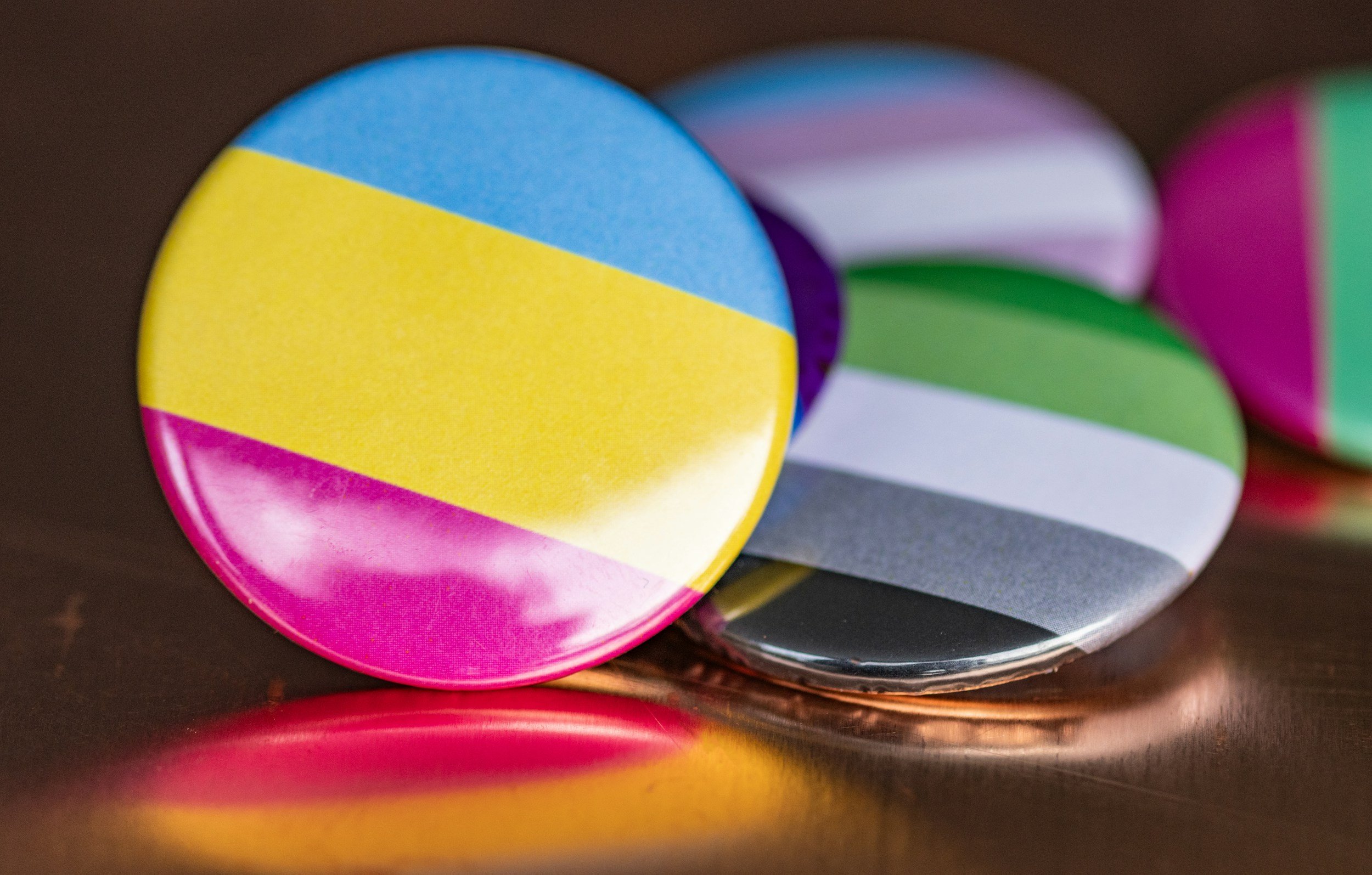
Pansexual Pride Day
Pansexual Pride Day
Celebrates pansexual individuals and promotes understanding.
Activities:
Educational talks: Explain pansexuality and its distinctions. Have students compare Pansexuality with other sexual orientations.
Social Media: Share information on Pansexuality on social media and include famous pansexual figures like celebrities and characters from shows and books.
Poster Making: Proud to be me, have students create posters celebrating what makes them unique.
Flag-making: Design pansexual pride flags or social media posts.
Story sharing: Provide platforms for pansexual individuals to share experiences.
School-wide Awareness:
Decorate areas with pansexual pride colours.
Share informative materials school-wide
World Aids Day
World AIDS Day
Raises awareness about HIV/AIDS and commemorates those affected.
Activities:
Educational sessions: Discuss HIV/AIDS, misconceptions and Historic events
Timeline: Create a timeline highlighting key events (e.g., first known cases, medical breakthroughs, launch of antiretroviral therapy, activism milestones).
Red ribbon crafts: Create symbols of support.
Fundraising events: Support HIV/AIDS charities - Sell Red Ribbons, have a bake sale.
Patchwork Quilt: Have students create their own Patchwork Quilt using fabrics, felt or paper to create a display
Quiz: Host a myth-busting quiz to tackle common misconceptions about HIV transmission, treatment, and prevention.
Displays/Social Media: Invite students to create posters with messages like “U=U (Undetectable = Untransmittable)”, “HIV doesn’t define anyone” or “End stigma, spread love”.
School-wide Awareness:
Moment of silence to honour lives lost.
Display informative materials about HIV/AIDS
Assembly/Form Time PowerPoint educating students around HIV / AIDS and correcting misconceptions/reducing stigmas.
Students to wear red, donations could be accepted to raise money for charity.
School Nurse or external organisations could attend to talk with students around prevention, testing and treatment.
Projects: World AIDS Day
Anti-Bullying Week
Anti-Bullying Week
Aims to prevent bullying and promote kindness.
Activities:
Kindness challenges: Print out Kindness Challenge cards and hand them out to students as they enter encouraging positive behaviour. Encourage students to do as many as possible for more chances to win a prize. Prizes could be chocolates, skip queue pass for lunch, positive behaviour points, certificate or a social media shout out.
Role-playing: Scenarios to practice responding to bullying.
Poster contests: Create anti-bullying messages.
Positive Post-It: Cover a classroom door or hallway with post-its containing compliments, words of support, affirmations written by students.
Pledge Against Bullying: Have students sign a pledge to be an Ally and stand up against bullying.
Discussion: “What does it mean to be an upstander?”
School-wide Awareness:
Wear specific colours to show unity against bullying.
Host assemblies highlighting the impact of bullying.
Celebrate individuality with an own clothes day or by wearing odd sock.
Projects: Anti-Bullying Week
Transgender Awareness Month
Transgender Awareness Month
Highlights the experiences and challenges of transgender individuals.
Activities:
Film screenings: Show documentaries about transgender lives.
Discussions: Facilitate conversations on gender identity. Look at keywords/phrases like 'cis’, ‘trans’, the difference between ‘sex’ and ‘gender’, ‘non-binary’.
Art projects: Create inclusive artwork.
Social Media: Share student artwork, posters, favourite books, TV shows, films and celebrities.
Dear Future Me: Students write a letter to their future selves reflecting on who they are and what kind of world they hope to live in.
School-wide Awareness:
Host assemblies focusing on transgender history and rights.
Provide resources for transgender students.
Students and staff to wear blue, pink and white.
Intersex Awareness Day
Intersex Awareness Day
Intersex Awareness Day – 26 October
Intersex Awareness Day aims to raise visibility and understanding of intersex people—those born with physical sex characteristics (like chromosomes, hormones, or anatomy) that don’t fit typical definitions of male or female. The day promotes education, respect, and inclusion, and highlights the importance of bodily autonomy and the right to self-identify.
The intersex pride flag uses 💛 yellow and 💜 purple colours not associated with traditional gender norms.
Activities:
Intersex Flag Art or Badge Making: Create posters, badges, or pins featuring the intersex flag and inclusive messages like “Every Body Is Different” or “Be Proud of Who You Are.”
“What Makes Me Unique?” Activity: Celebrate everyone’s individuality—students list things that make them different and special, from talents to traits.
Fact or Myth Game: Share common misconceptions about intersex people and let students guess whether they are true or false.
Design a Poster for Inclusion: Focus on gender diversity, acceptance, and respecting people’s identities.
Create a Compliment Circle: Encourage kindness and body positivity by having students write anonymous compliments or affirmations for their classmates.
Whole-School Awareness Ideas:
Assembly or Video Presentation: Introduce intersex identity in an age-appropriate and respectful way. Emphasise that differences in bodies are natural and that everyone deserves respect and autonomy.
Form Time Resources:
Key terms (sex vs gender, intersex, non-binary, etc.)
The importance of not making assumptions
How to use respectful, inclusive language
Inclusive Language Posters: Display reminders around school that respect identity and challenge stereotypes.
“Wear Yellow & Purple” Day: Students and staff wear intersex flag colours to show support.
Display Board: Include information about intersex history, visibility, key figures (like intersex activist Pidgeon Pagonis), and student artwork or messages.
Social Media Ideas:
Intersex Flag Spotlight: Explain the flag’s meaning (yellow = non-binary, purple = mix of male and female or neither, circle = wholeness and autonomy).
“Did You Know?” Carousel Post: Share facts about intersex identity and promote acceptance.
Visibility Quote Post: Highlight quotes from intersex activists or allies.
Affirmation Graphics: “All bodies are valid,” “Intersex rights are human rights,” or “We see and support intersex people.”
Awareness Video or Reel: Show highlights of in-school activities or display boards with messages of inclusion.
Hashtags to Use:
#IntersexAwarenessDay
#IntersexVisibility
#IntersexRights
#YellowAndPurple
#InclusionMatters
#PrideEveryDay
Diwali: Bhai Dooj
Day 5: Bhai Dooj
This day honours the bond between siblings. Sisters pray for their brothers' well-being, and brothers offer gifts in return. It highlights love, respect, and protection in sibling and close relationships.
Fun Activities:
Card-making station: “Appreciation cards” for siblings or friends.
Bracelet or rakhi-style craft for friends.
Write “Top 3 things I appreciate about my sibling/friend.”
Whole-School Ideas:
Friendship focus during form time—encouraging messages or peer shoutouts.
“Buddy lunch” where students sit with someone they don’t usually talk to.
Display showcasing the value of sibling and friendship bonds in different cultures.
Diwali: Govardhan Puja
Day 4: Govardhan Puja
This day is about gratitude and offerings to nature and God. It commemorates Lord Krishna lifting Govardhan Hill to protect villagers from a storm. Traditionally, large meals are prepared as offerings.
Fun Activities:
Create "gratitude plates" with drawings of things students are thankful for.
Collage activity representing nature and protection.
Make paper mountains or dioramas representing the Govardhan story.
Whole-School Ideas:
“Gratitude Wall” where students post what they’re thankful for.
Share the story of Govardhan Hill through a visual retelling or video.
Serve or display Indian food/snacks during lunch with information on their significance.
Diwali: Lakshmi Puja
Day 3: Diwali (Main Day) – Lakshmi Puja
This is the central day of Diwali, celebrating the return of Lord Rama to Ayodhya and the triumph of light over darkness. It is the most festive day, marked with the lighting of lamps, fireworks, family gatherings, and most importantly, Lakshmi Puja, in which people pray to the goddess of wealth and prosperity. Homes are decorated to welcome her blessings. Another major tradition is creating rangoli—vibrant floor art made using coloured powders, rice, or flowers—to invite positivity and luck into the home.
Fun Activities:
Rangoli Making: Use coloured chalk, sand, or paper cut-outs to create rangoli patterns. Try both traditional and student-designed styles. Why not go big and decorate the school entrance with chalk designs?!
Decorate Diyas: Paint clay lamps with bright colours and glitter.
Lakshmi Footprints Craft: Make tiny paper footprints to symbolise Goddess Lakshmi entering a clean and welcoming space.
Story Circle: Share the story of Lakshmi and the return of Rama with visuals or a puppet show.
Whole-School Awareness Ideas:
Rangoli Display: Invite students to create a collaborative rangoli in the entrance hall or corridors.
Assembly on Diwali Traditions: Focus on Lakshmi Puja and the symbolism behind light and colour.
Form Time Activity: Explore how different cultures use light and colour in celebration.
Diwali Dress Day: Invite students to wear colourful clothing or traditional dress to celebrate.
Asexual Awareness Week
Asexual Awareness Week
Asexual Awareness Week (Ace Week) is dedicated to increasing visibility, understanding, and acceptance of asexual people and identities. Asexuality (or “ace”) is a sexual orientation where a person experiences little or no sexual attraction to others. The week highlights the diversity within the asexual spectrum and promotes inclusivity, education, and allyship.
Activities:
• Ace Flag Art Challenge: Create posters, stickers, or bookmarks using the asexual pride flag colours — 🖤 black, 🤍 white, 💜 purple, and 🩶 grey.
• “What Makes Me Me?” Identity Sheets: Students reflect on their identity beyond labels — strengths, values, interests, and how they express themselves.
• Design Your Own Pride Flag: Learn about different pride flags and then invite students to create their own that represents something unique about themselves.
• Ace Spectrum Scavenger Hunt: Set up an informational trail with facts about asexuality and related terms (e.g., aromantic, demisexual).
Whole-School Awareness Ideas:
• Assembly or Video Presentation:
Introduce asexuality in a simple, age-appropriate way, and explain how being an ally helps make school a safe space for all identities.
• Form Time Resources:
• Myth-busting: “Not broken, just ace!”
• Exploring the asexual spectrum
• How to be a respectful and inclusive friend/classmate
• Display Board: Include the asexual flag, student artwork, facts, and famous asexual or ace-spectrum individuals.
• Wear Purple Day: Encourage students and staff to wear purple (or black/white/grey) to show support for Ace Week.
• Inclusive Language Campaign: Post reminders and visuals that promote using respectful language for all sexualities and identities.
Social Media Ideas:
• Flag Feature Post: Explain the colours and meaning of the asexual pride flag.
• “Did You Know?” Slides: Share facts about the asexual spectrum to promote understanding and challenge common myths.
• Student Voice Graphics: Anonymous student quotes or messages of support around identity and self-acceptance.
• Allyship Infographic: Share tips on how to be an ally to asexual and aromantic people.
• Pride Week Highlights Reel: Show off student artwork, form time discussions, and school displays.
• Hashtags to Use:
• #AceWeek
• #AsexualAwarenessWeek
• #AsexualVisibility
• #AceAndProud
• #PrideEveryDay
• #InclusionInSchools